



Why is choosing a right ship important for your Antarctica trip?
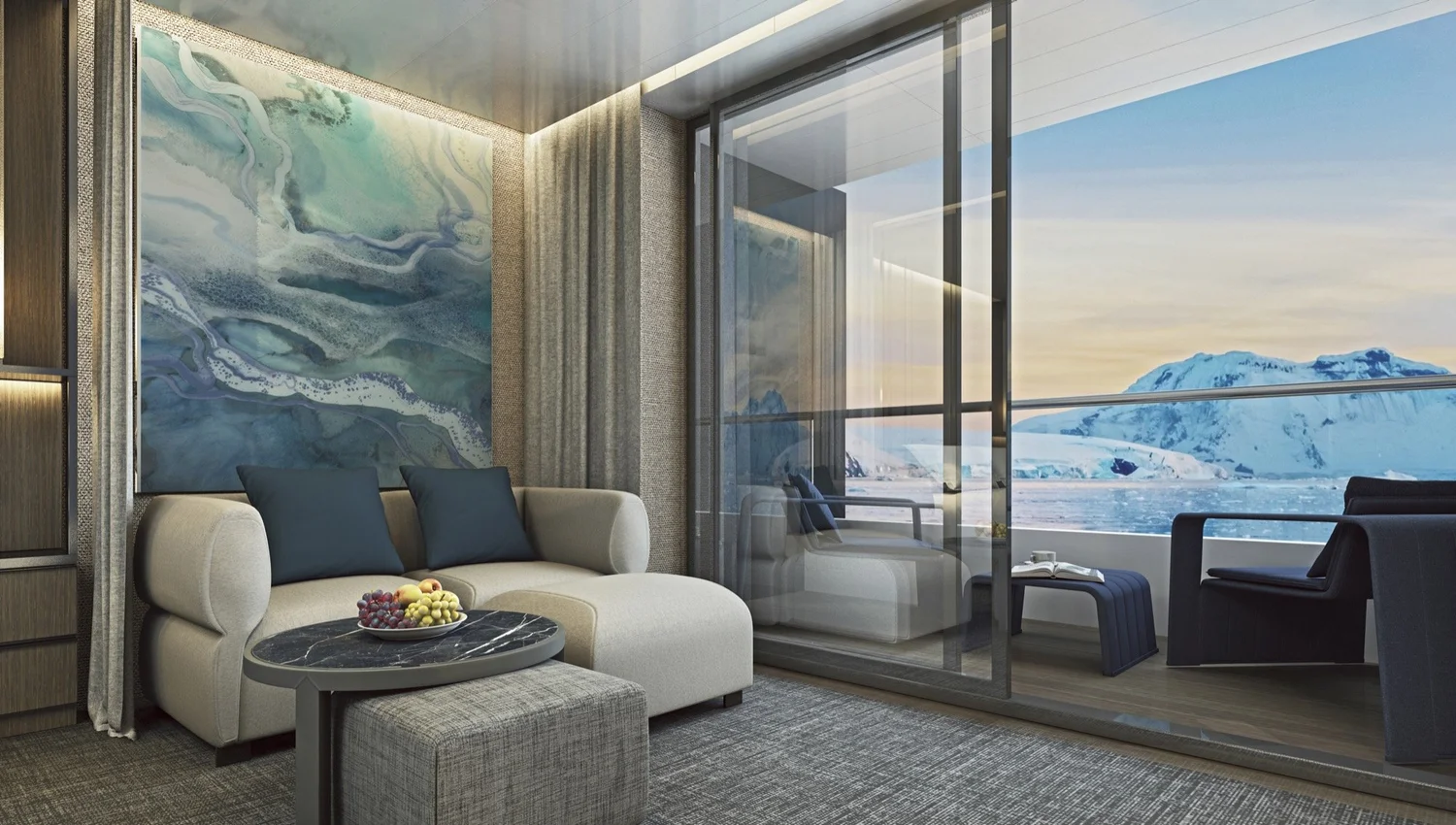
Credit: Adventure Life
An Antarctica Voyage takes at least 10 days. During these 10 days, the cruise ship isn't just a means of transportation to Antarctica; it's a home away from home. Besides landings, all activities, including parties, meals, and sleep, take place on board. Furthermore, for adventurous travelers, passenger capacity is a key consideration, as the number of landings varies from ship to ship. Therefore, choosing the right ship according to your needs will significantly impact your overall Antarctic experience.
Below we will analyze the most important factors in choosing a cruise ship by 3 different steps:
Step 1: Passenger Capacity
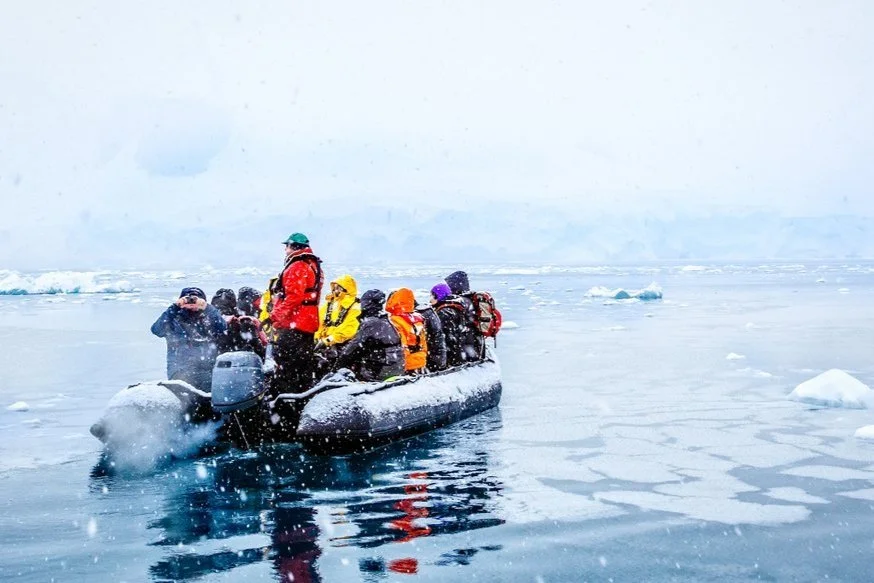
In a classic 10-day Antarctic itinerary, the actual number of days you can land in Antarctica is about 4 to 5. On the landing days, the expedition team will arrange one session in the morning and one in the afternoon, and in between, everyone will be arranged to go back to the ship for meals and rest. According to the Antarctic Convention, cruise ships carrying more than 500 passengers are prohibited from docking in Antarctica, and only one ship can dock at each location in Antarctica at a time, and the number of passengers landing at a time shall not exceed 100. We can use the passenger capacities of 100, 200, and 500 people as thresholds to distinguish:
1. Within 100 people:
Besides sailing ships, you might also encounter expedition ships. These ships offer more time for landing, as up to 100 people can disembark at once. The downside is that crossing the Drake Passage can be quite rocky, so those prone to seasickness should remember to take seasickness medication beforehand to alleviate the discomfort.
2. 101 to 200 people: (Editor's recommendation)
Upon landing, you'll be divided into two groups: one group lands first, while the other, guided by expedition leaders, cruises around in zodiacs. The two groups then swap places when their time is up. The advantage is that you can see Antarctic animals other than penguins, such as whales and sea lions. This type of Antarctic cruise is the most common, and the average price is a little higher than cruises with a passenger capacity of under 100.
3. 201 to 500 people or more:
For ships in this capacity range, the landing time is shorter than the previous two, some even just pass by Antarctica, so the focus will be on watching seabirds and various marine animals. Moreover, the entertainment facilities on board are relatively more complete, allowing tourists to enjoy various facilities and feast on a variety of food during their time on board.
Step 2: Cruise Ship Amenities
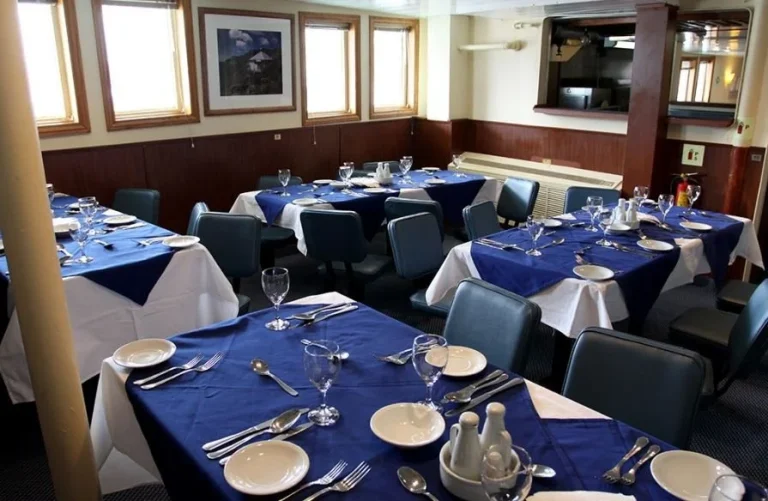
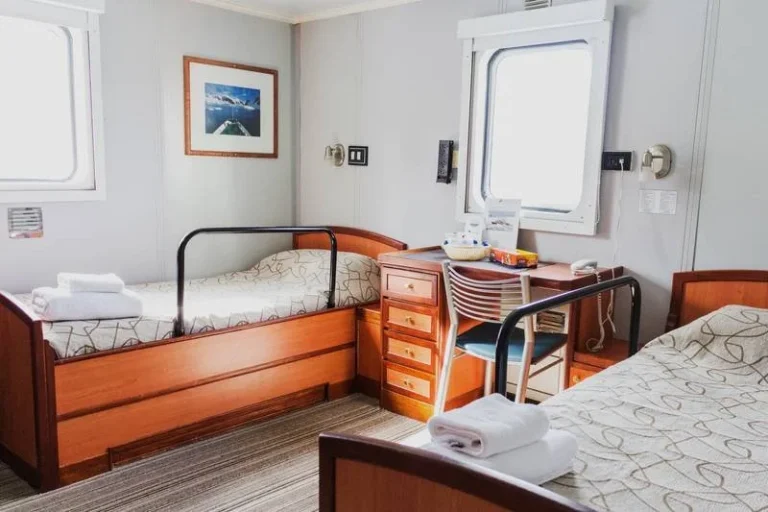
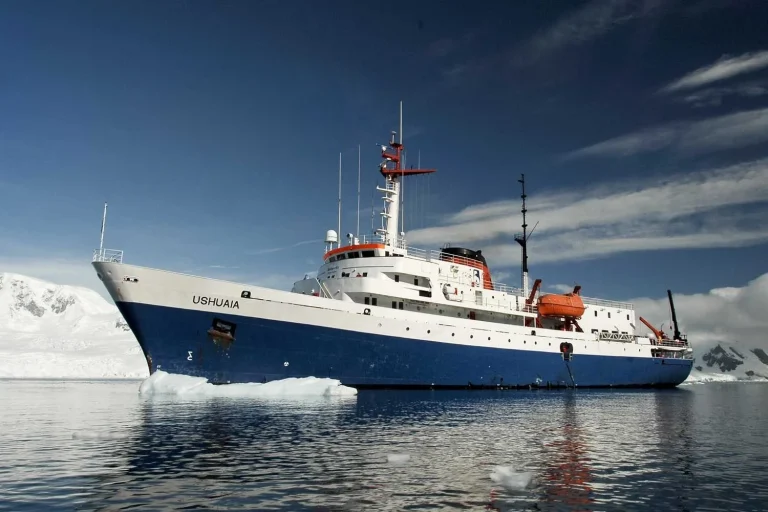
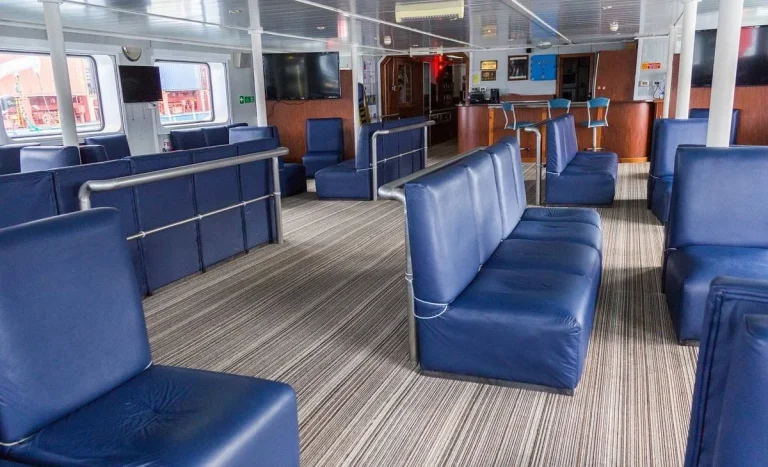
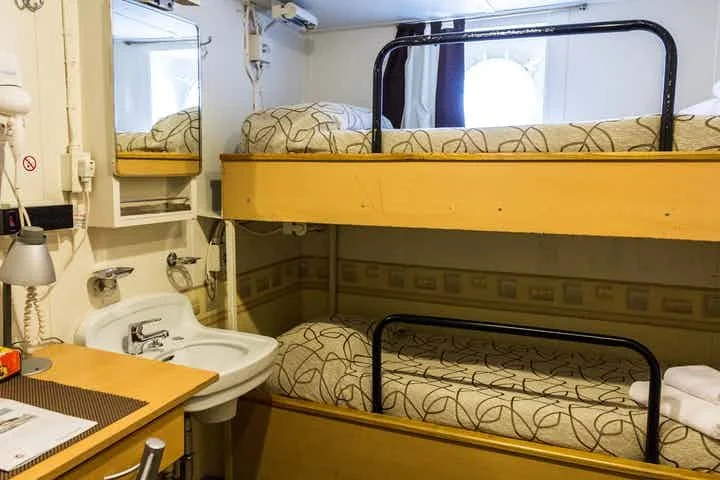
credit: M/V Ushuaia
For cruise ships that head to Antarctica, their biggest interior difference comes from the original purpose for which the ship was built, which can be roughly divided into two types: expedition ships and luxury expedition cruise ships.
How can you quickly tell if a ship is an expedition vessel or a luxury cruise ship? We can first distinguish between passenger capacity and ship size. For example, the M/V Expedition, previously used for scientific research, was designed to facilitate exploration into the narrow terrain of Antarctica's glaciers and fjords. Consequently, the vessel's passenger capacity is limited, typically to under 100 people. The cabins often include bunk beds and are relatively simpler.
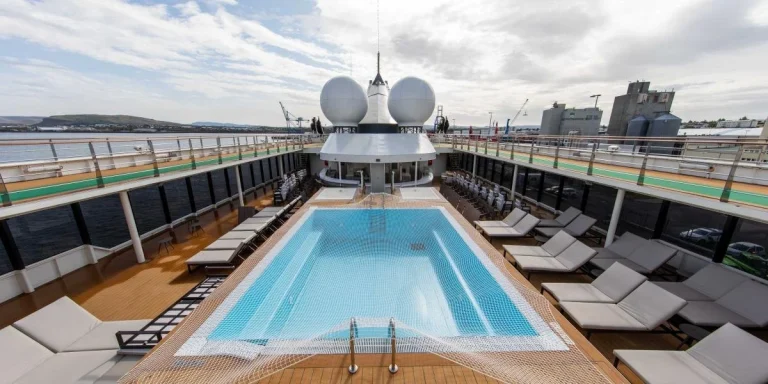
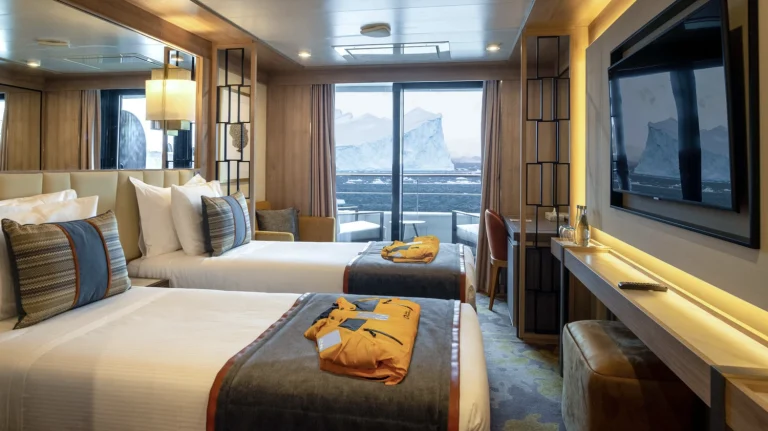

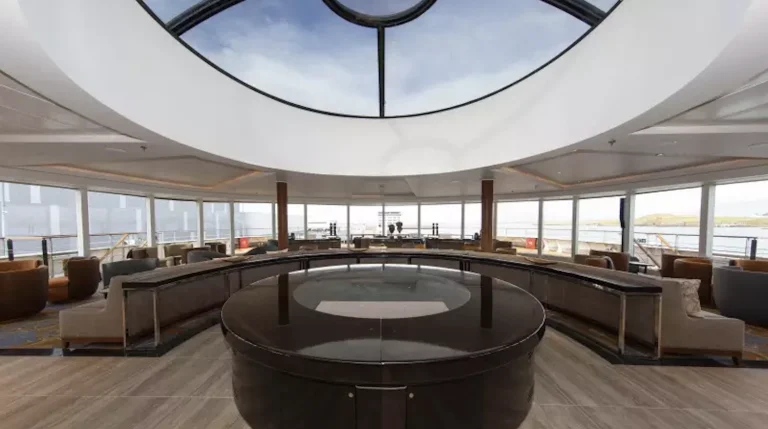
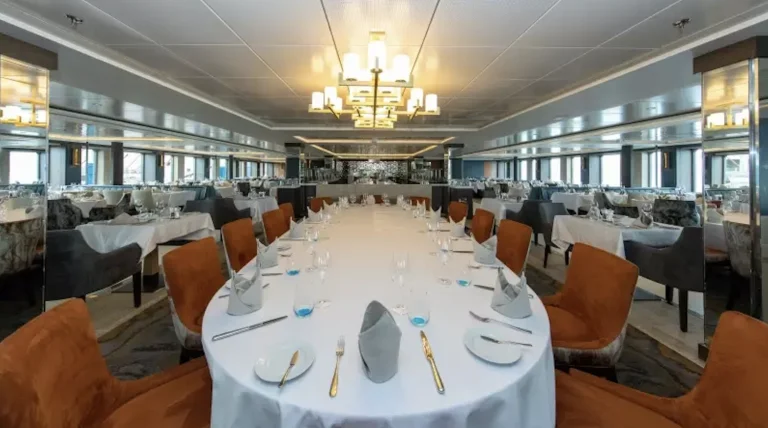
Credit: Quark Expeditions
Luxury expedition ships are a completely different story. While there are still smaller vessels with a passenger capacity of around 100, most are larger vessels with a passenger capacity of around 200. Take Quark's World Explorer, for example. From spas to private dining with chefs, the onboard entertainment facilities and a variety of restaurants are all available, and there's even a casino for those who want to gamble.
The Scenic Eclipse, which was completed in 2019, is not only fully equipped with basic facilities, but also equipped with a helicopter and a submarine.
Visitors can soar up to sky and submerge down to sea, appreciating the beauty of Antarctica from a very unique perspective.
More importantly, the price of a luxury expedition ship is sometimes comparable to that of a regular expedition ship. If you know how to buy your ticket wisely, you can enjoy a better travel experience for as little as $1,000 more for the same number of days. (Related articles:Traveling to Antarctica for less than $5,000? The ultimate guide to snagging last-minute ferry tickets)
Credit: peakpx
Step 3: Additional Activities for Different Cruise Ships
Credit: Aurora Expeditions
The last one is something that fewer tourists will notice: optional activities.
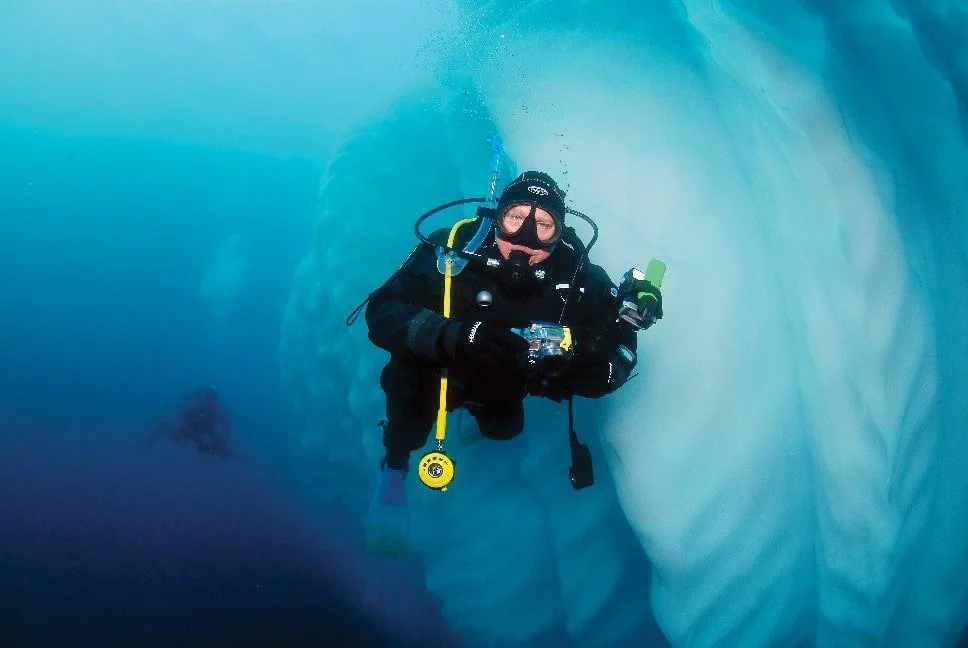
In order to enhance the excitement of every tourist's Antarctic trip and create more memorable moments, each cruise line will provide a wide range of optional activities for tourists to choose from. However, the optional activities on different cruise ships varies.
For example, you can try out diving on the National Geographic Explorer; ones who choose the Greg Mortimer can even dive and explore deeper into the Antarctic Ocean with oxygen tanks on their backs; Ultramarine even offer skiing activities; while tourists who prefer mountaineering can consider Oceanwide Expeditions.
Furthermore, even on the same ship and sailing the same route, the optional activities available can vary at different times of the year. For example, in the previous two seasons of Quark cruises, some ships did not offer camping, skiing, or canoeing options after mid-January.
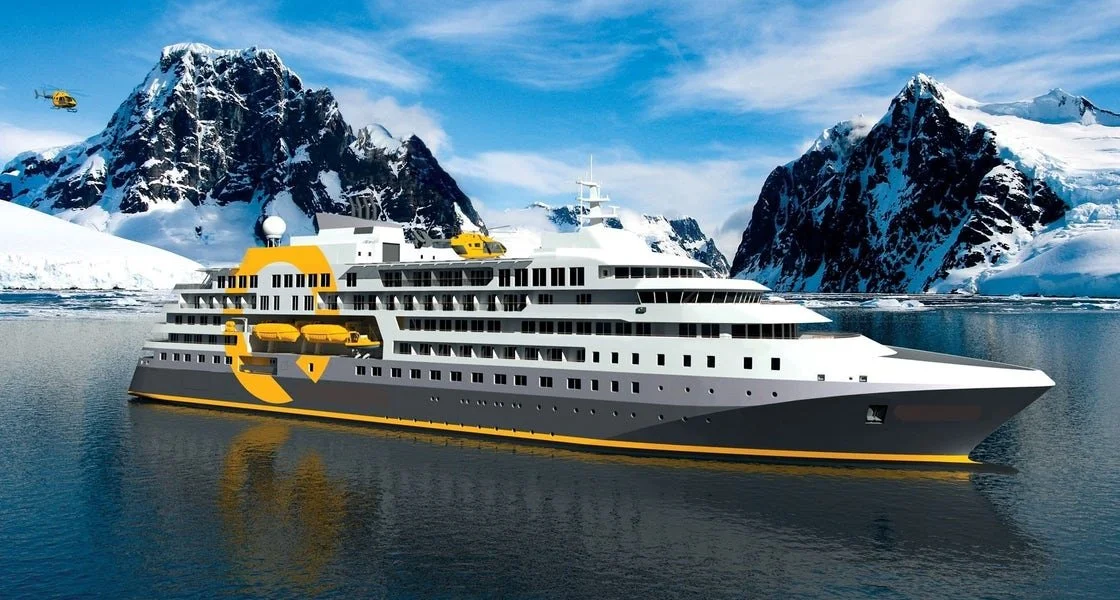
Credit: Quark Expeditions
In summary, we recommend choosing a luxury expedition ship with a passenger capacity of 100 to 200 people, such as the one we personally experienced.World Explorer, or the Scenic Eclipse, that is equipped with helicopter and submarine. After all, a trip to Antarctica is a once-in-a-lifetime dream, and paying a little more for a more comfortable and memorable experience is well worth it.
If you want to know more about Antarctic cruise ships and first-hand ticket information, remember to pay attention to our website and social media platforms (Facebook / Instagram / Newsletter).
Set foot on Antarctica. It's no longer out of reach.
Let's go to Antarctica!
Comments (0)