Contact Us | WhatsApp: +852 6099 5439

+852 6099 5439

Antarctica Itinerary

Introduction to Antarctic Peninsula Attractions

Credit: Adventure Life

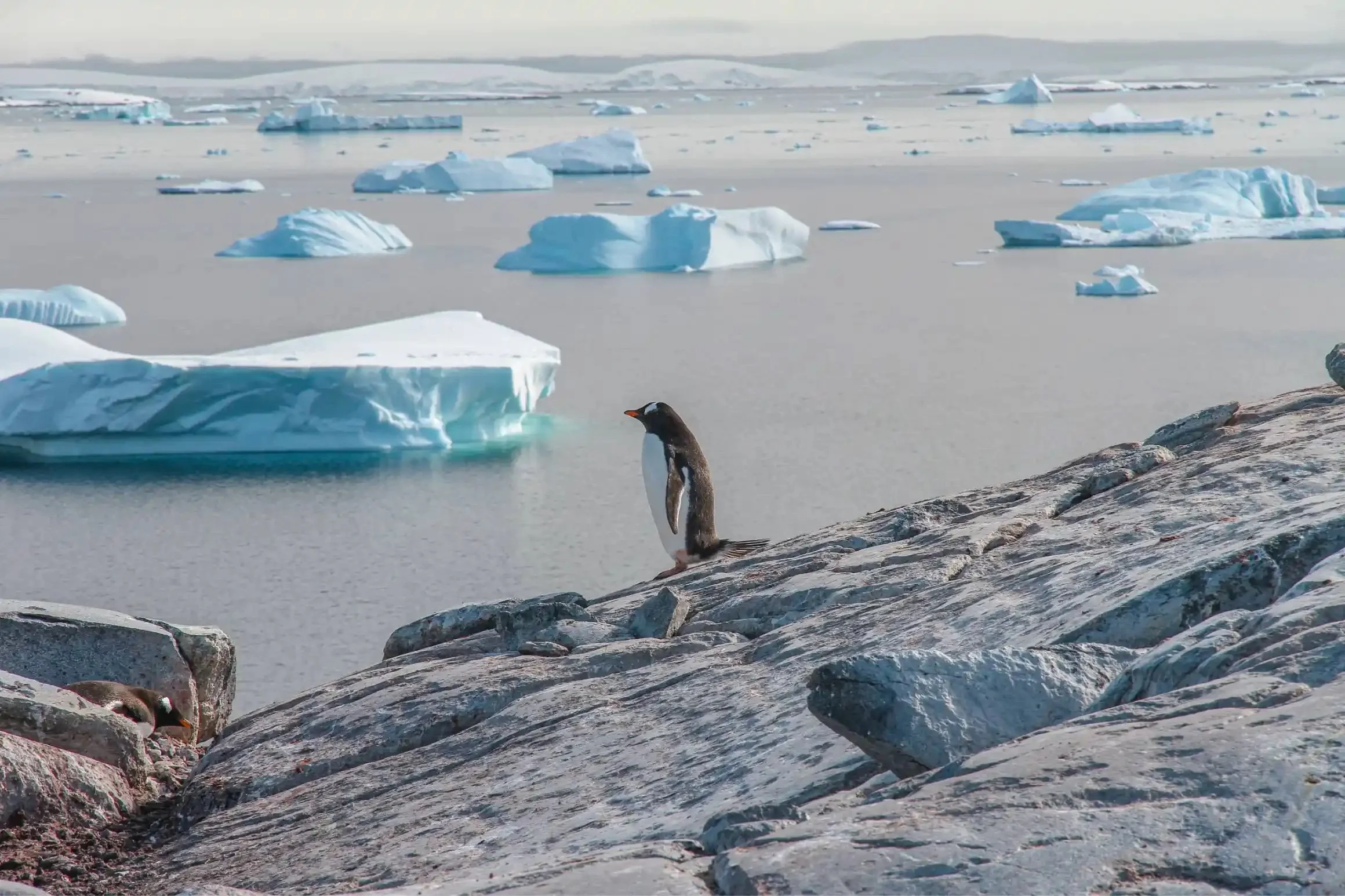
In the world of Antarctica Travel, "single island" itineraries mean traveling to and landing on the Antarctic Peninsula. It is a peninsula in West Antarctica, located on the opposite coast of South America, and is the only landmass in the continent that locates outside the Antarctic Circle. Antarctica's highest peak, Mount Vinson, is also located on the Antarctic Peninsula. The climate on the Peninsula is warmer compared to that of other parts of Antarctica. It is thus richer in ecological landscapes and natural resources, with are a large number of scientific research stations. For this reason, the Peninsula is the most important and iconic place for Antarctic tourism. All major tourist routes, including single-island, dual-island, and triple-island routes, will land on the Antarctic Peninsula.

In this article, we will introduce common landing sites and highlights of the Antarctic Peninsula in detail.

1. Portal Point

Credit : Gaye Moffitt

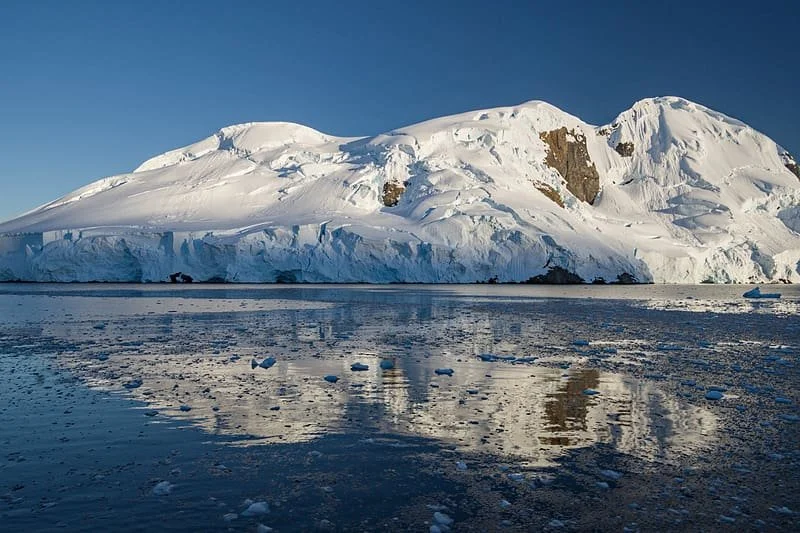
Portal Point is located in Graham Land, the northernmost part of the Antarctic Peninsula. It is the entry point to the Reclus Peninsula. Its surrounding mountains, glaciers, and ice tongues that extend to sea level make for beautiful scenery.

Credit : Chris James

Credit: bas.ac.uk

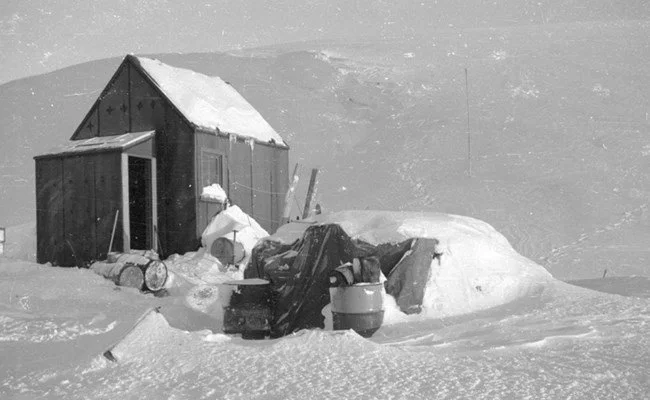
In 1956, the British built a refuge hut here so that they could access the Peninsula Plateau through the nearby snowy slopes . Yet, the hut was dismantled in 1997 and is now housed in a museum in the capital of the Falkland Islands.

2. Graham Passage

Credit: picturedesk.com

Graham Passage is located north of Charlotte Bay, at the northern tip of the Antarctic Peninsula. The Passage is famous for its narrow glacial channels. It was listed and mapped, together with the nearby Murray Islands, as part of the Antarctic Peninsula by Belgian explorers in 1898.

Credit: peakpx

3. Cierva Cove

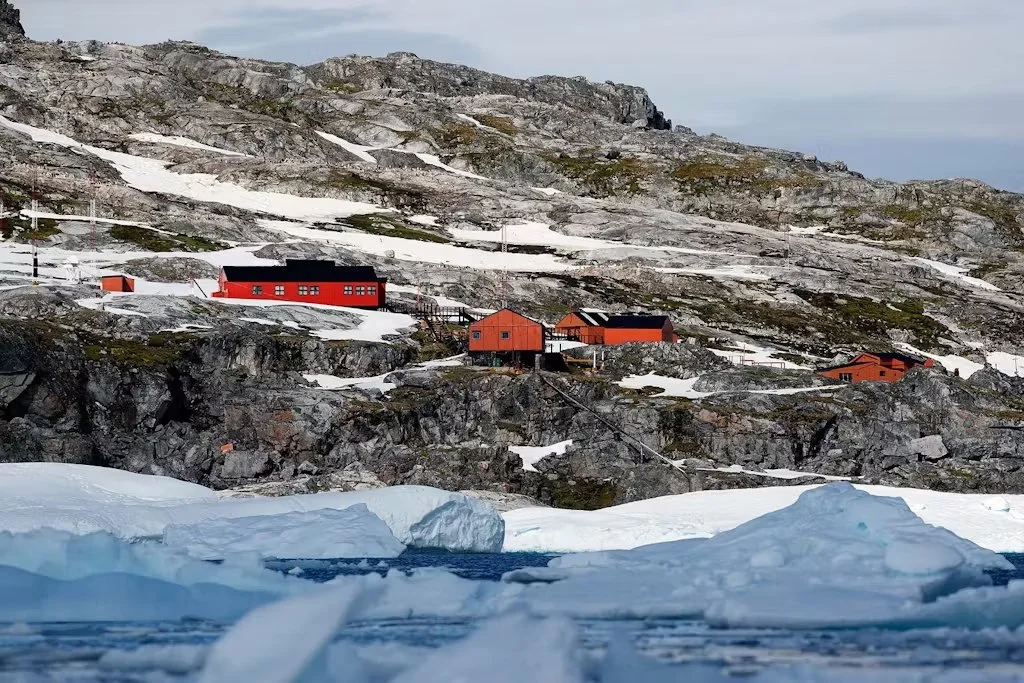
Summer research station in Cierva Cove. Credit: Silversea

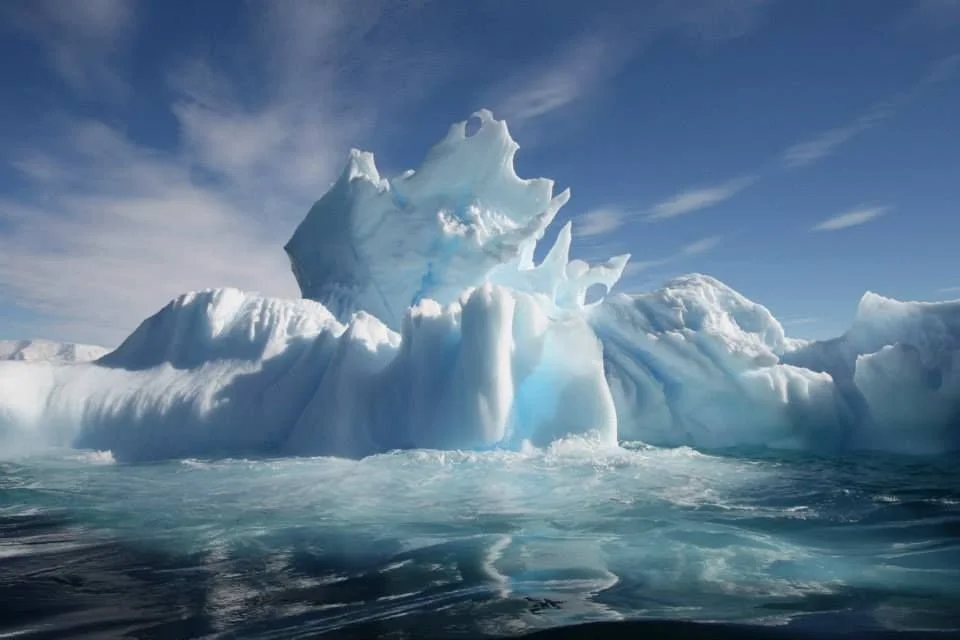
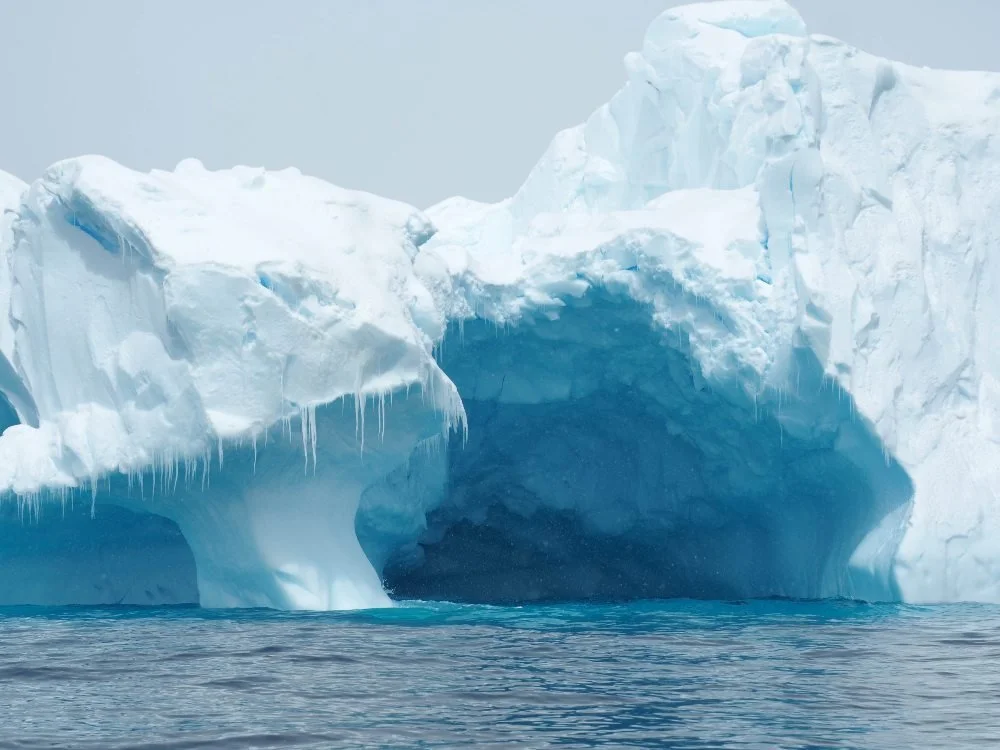
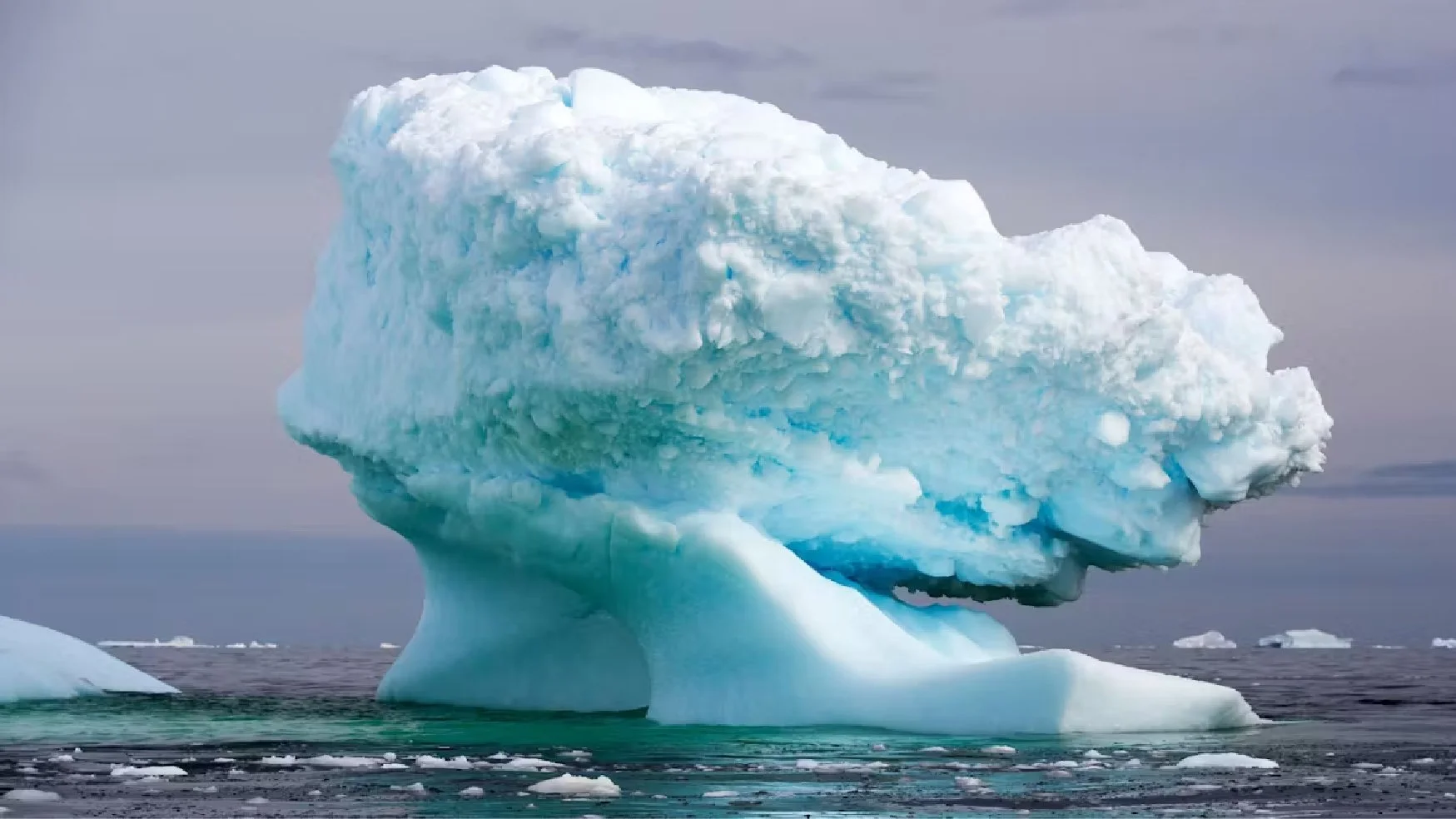
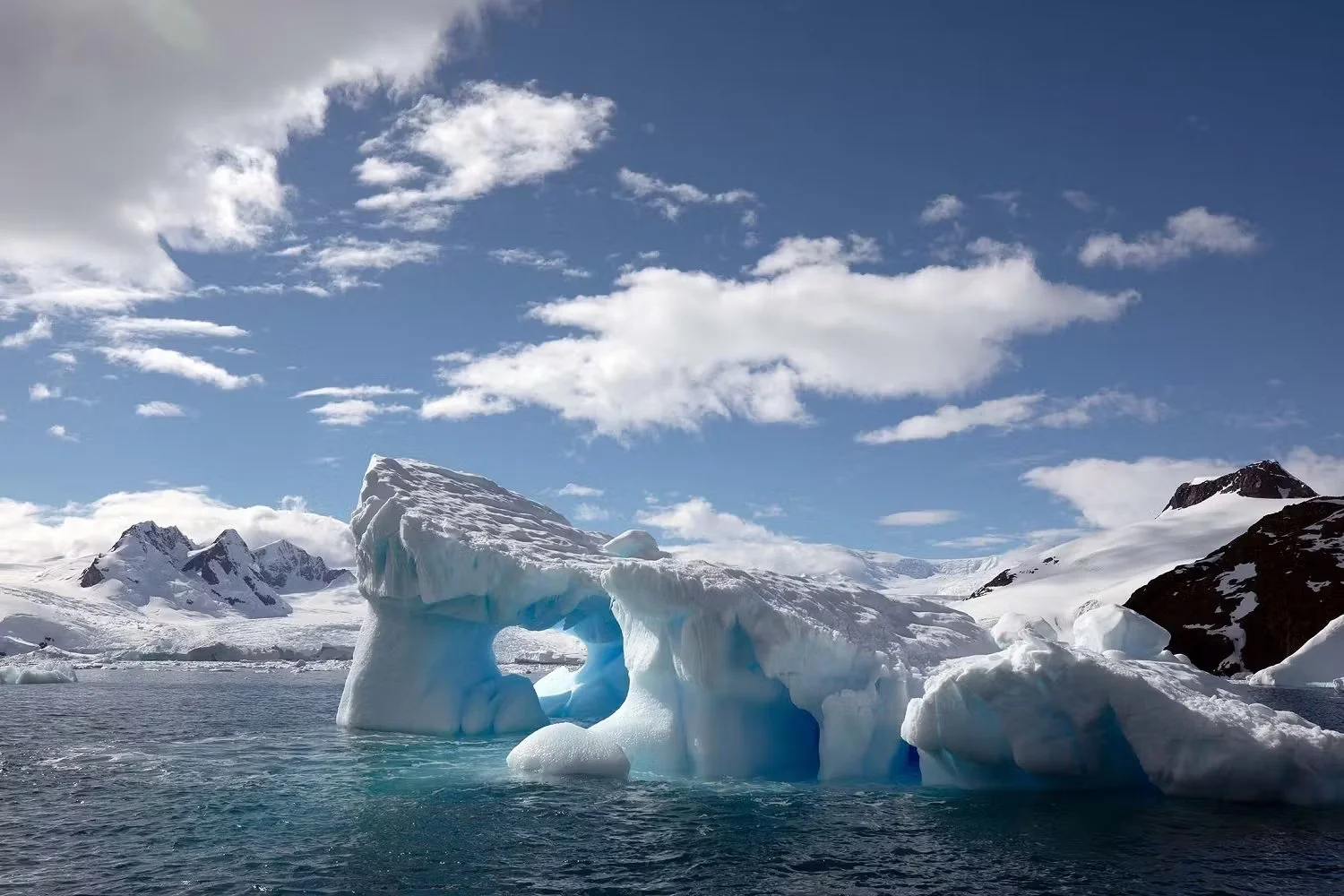
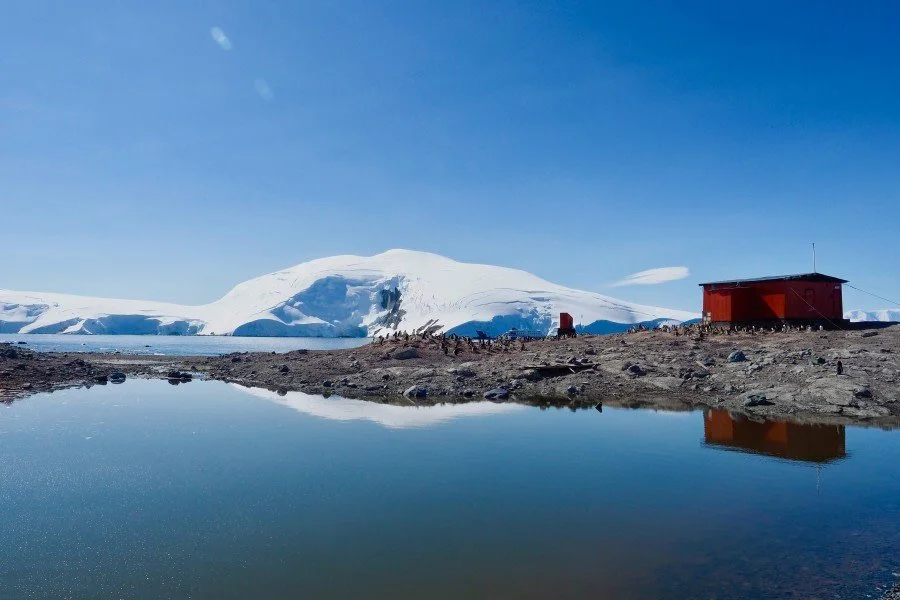
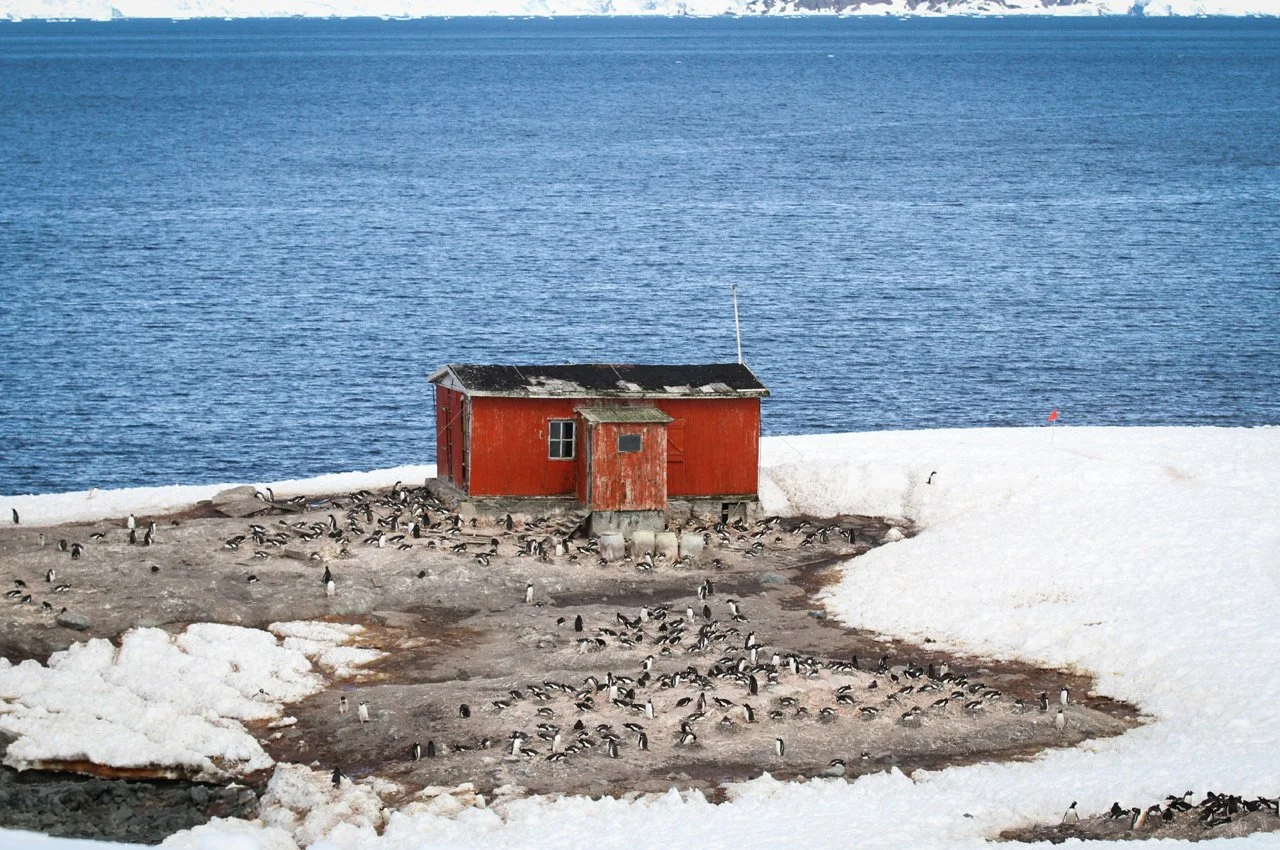
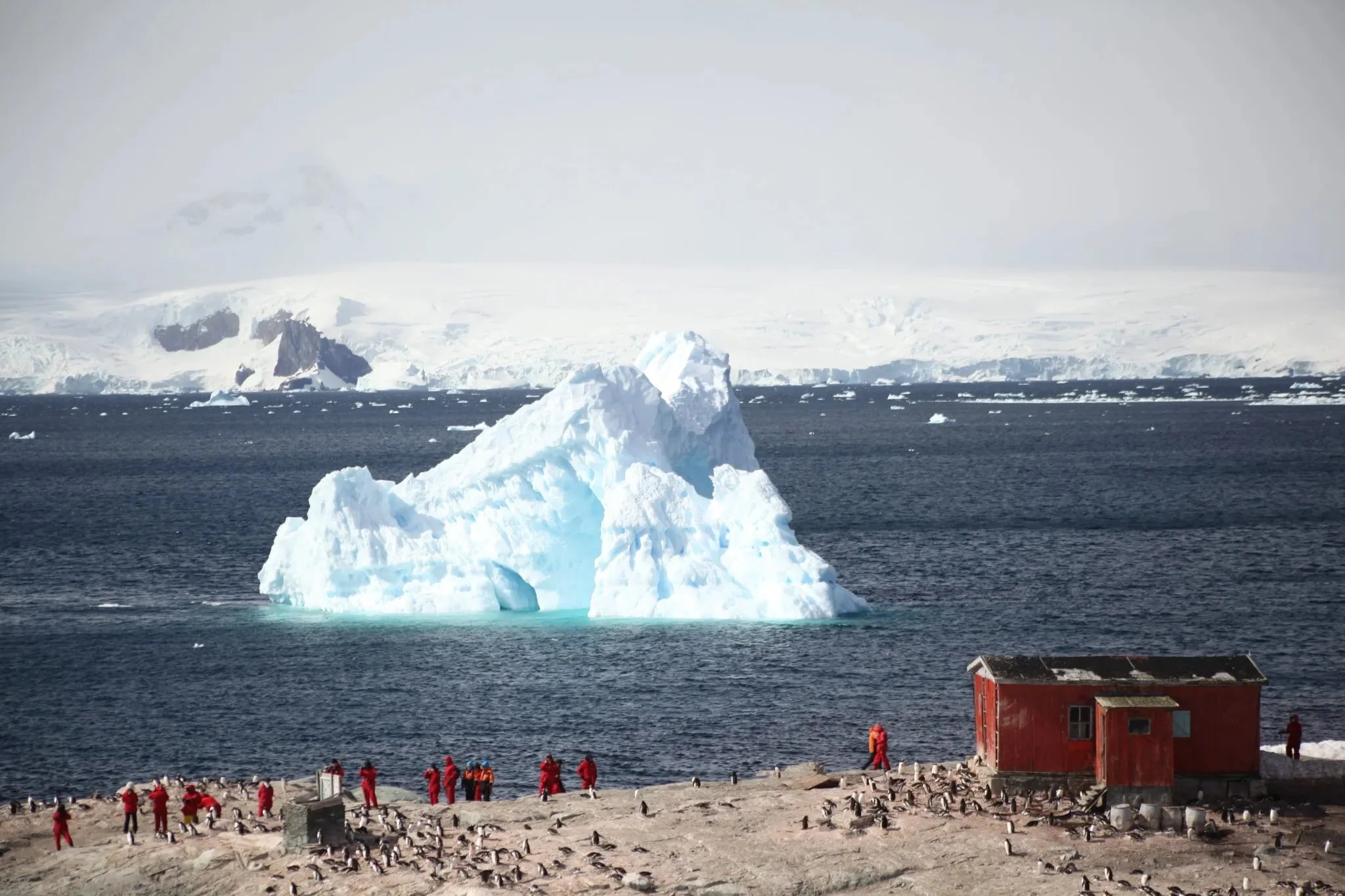
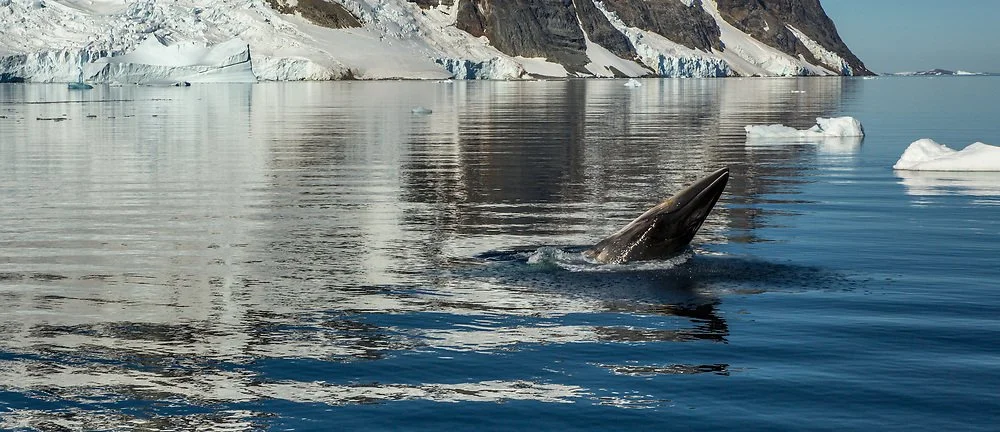
Cierva Cove, located in a protected area at the northern tip of the Antarctic Peninsula, is famous for its spectacular icebergs and snowy landscapes, which can often be glimpsed aboard a zodiac cruise. Near Cierva Cove is also the Argentine Summer Research Station (Primavera). The nearby waters are rich in krill, so there is an abundance of wildlife around, including penguins, seals, and whales.

Credit: Silversea

4. Mikkelsen Harbour

Credit: Oceanwide Expeditions

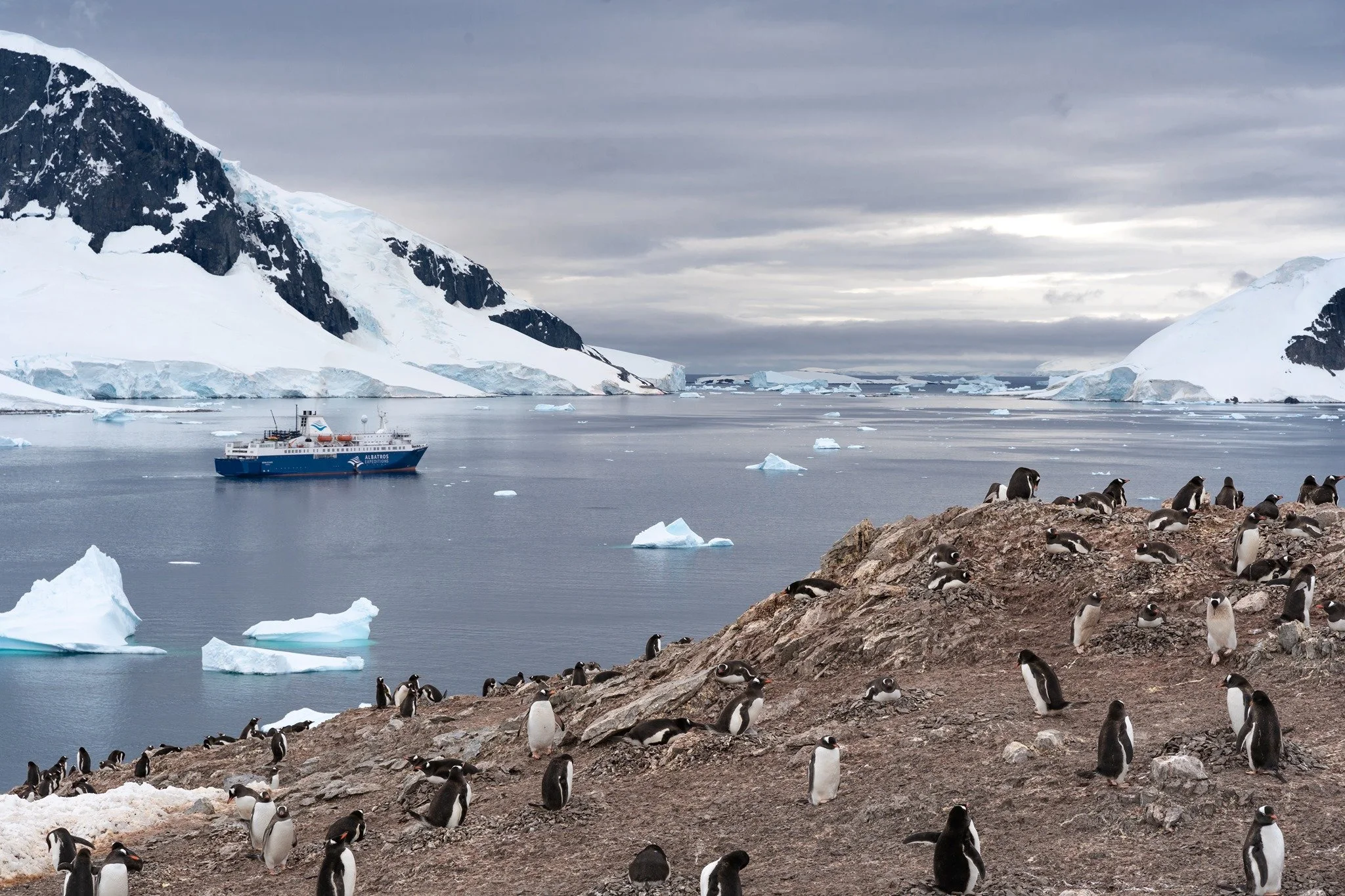
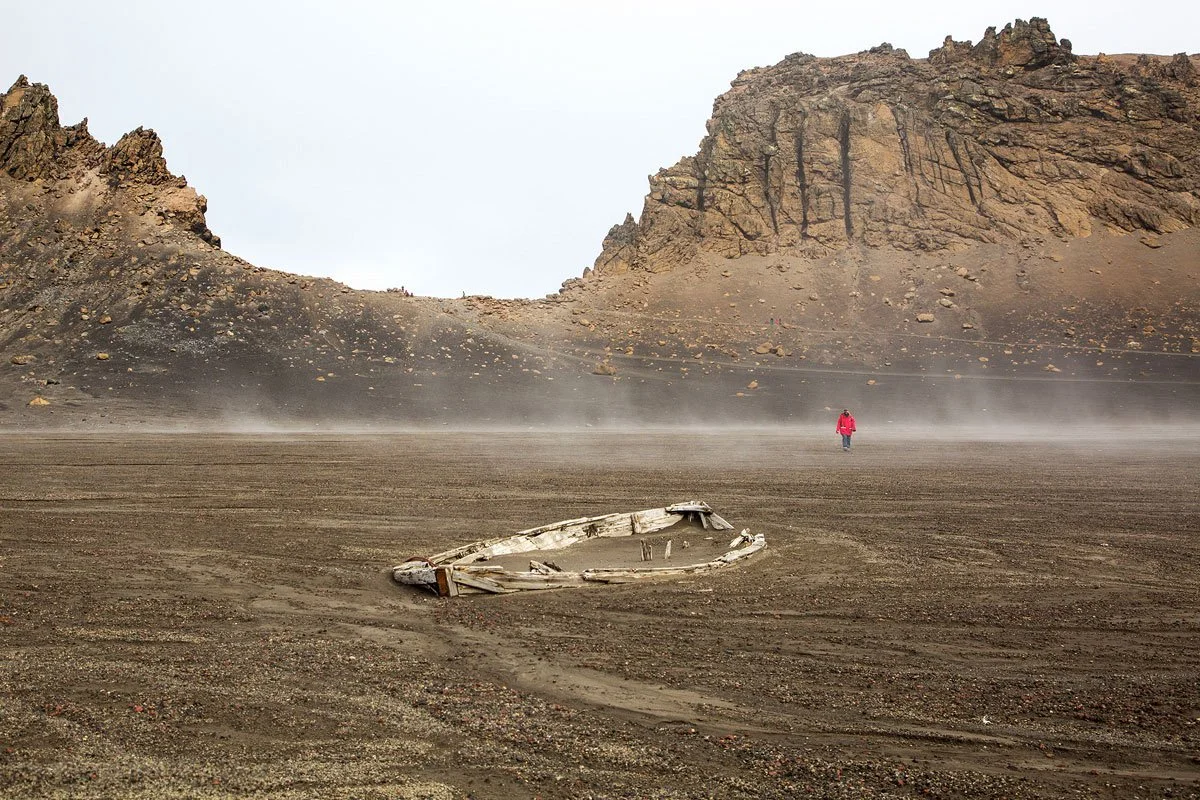
Mikkelsen Harbour's name suggests that it is a port, yet it is in fact a small island. In the 19th century, it was used by whalers to moor the ships of the whaling factories. Such that apart from the many Gentoo penguins and a few Wilde seals, you can also see some shipwrecks and whale bones left behind by the whalers. There is even a hut with shutted doors.

Locked hut in Mikkelsen Harbour Credit: SKJ Travel

5. Neko Harbour

Credit: en.wikipedia.org

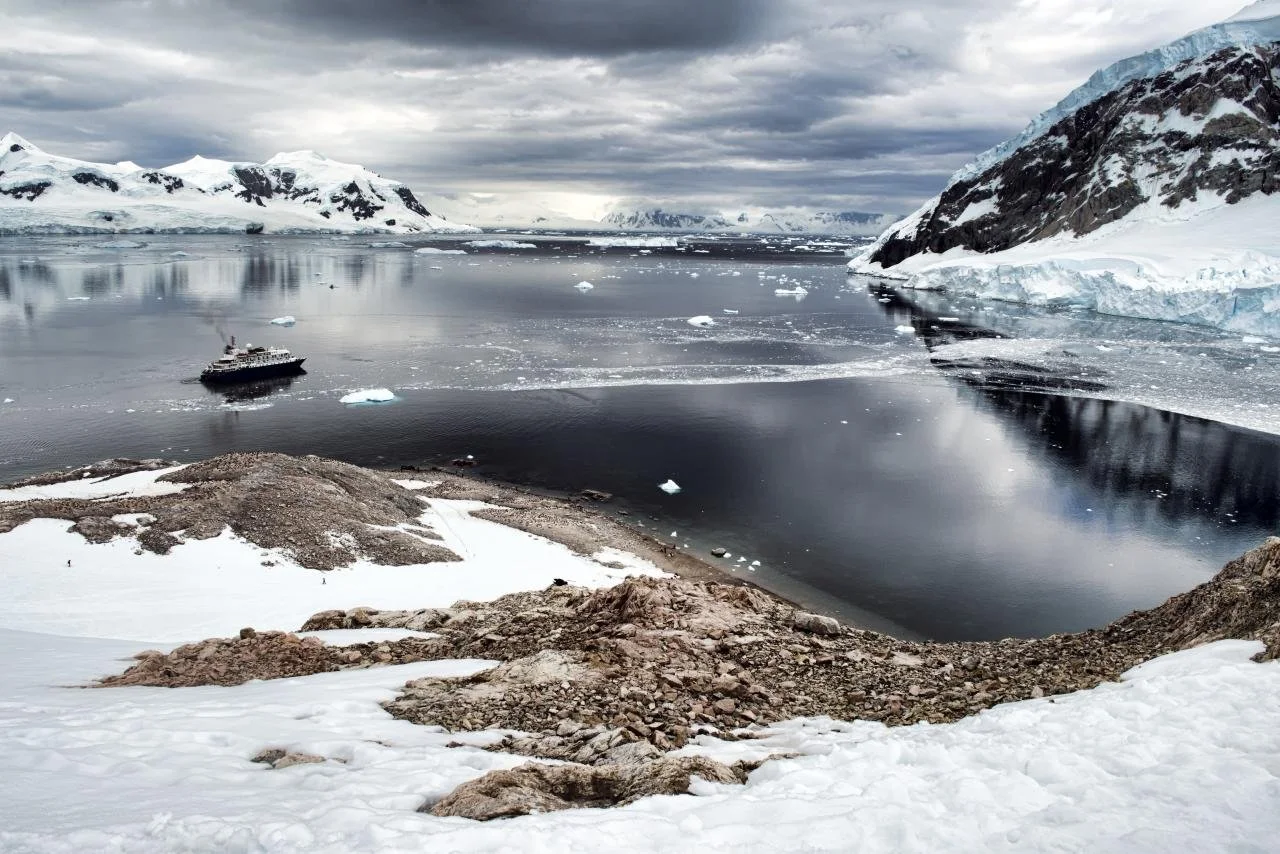
After landing in Neko Harbour, walk along the ridge, then you'll see a spectacular view of Andvord Bay. The Harbour was named after the "Neko", a whale factory ship that used to call here frequently.

Credit: Silversea

6. Danco Island

Credit: Need A Hike

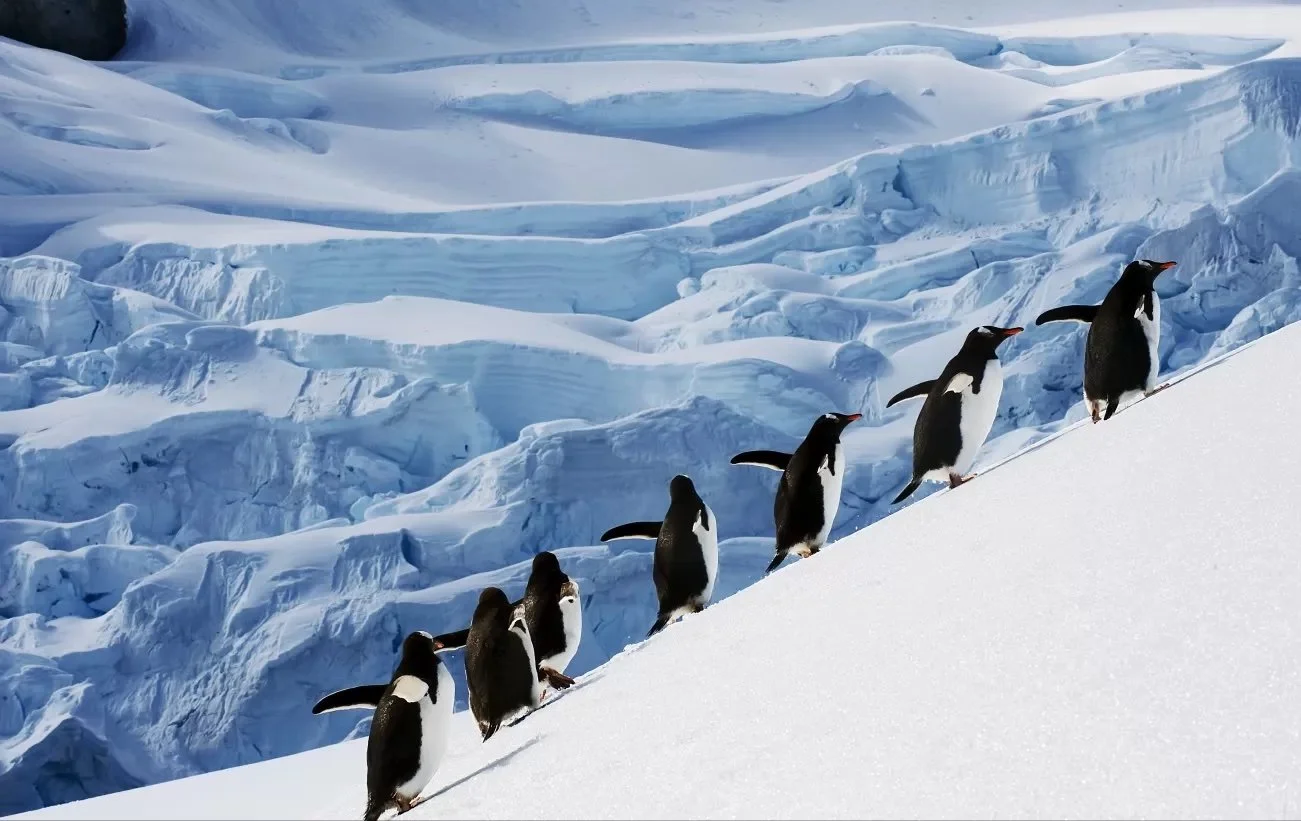
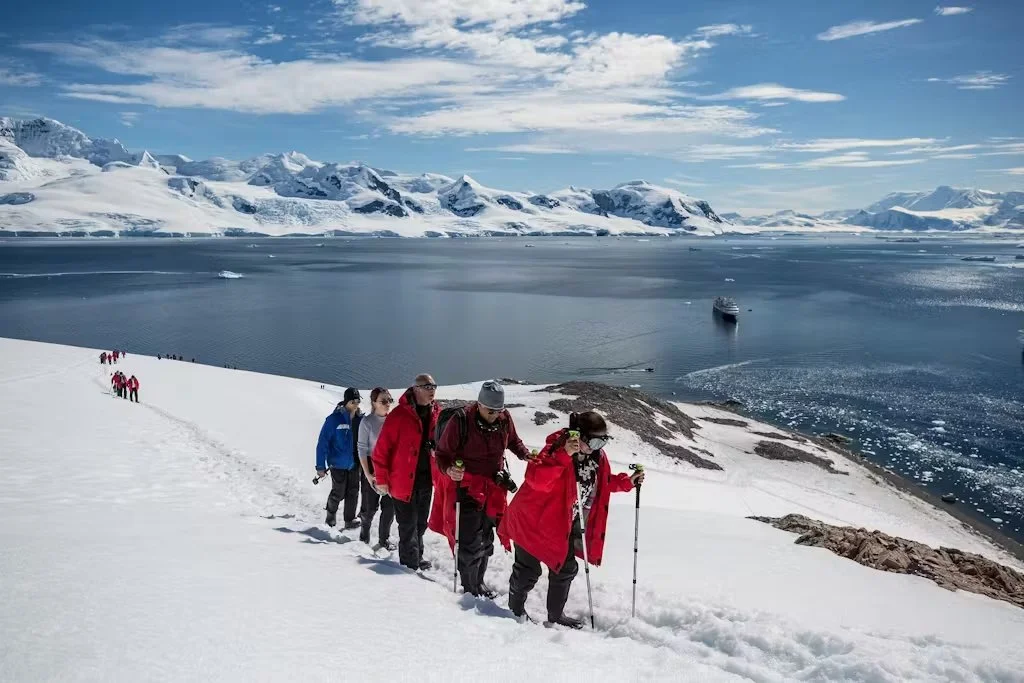
Danco Island, located on the Danco Coast in Graham Land, south of the Errera Channel, is 2 kilometers long and is one of the traditional landing sites of Antarctica trips. It was first mapped by Adrien de Gerlache, a member of the Belgian Antarctic Expedition of 1897-1899, and named after Emile Danco, a Belgian Antarctic Expeditionist, and geophysicist, who died on the Expedition in 1898. Danco Island is home to 1,600 pairs of Gentoo penguins, which usually breed on the higher slopes where visitors can witness them. Since it snows most days on Danco Island, it has become one of the top spots for snowshoeing, with spectacular views over the Errera Channel.

Credit: TravelGumbo

7. Lemaire Channel

Credit: Adventure Life

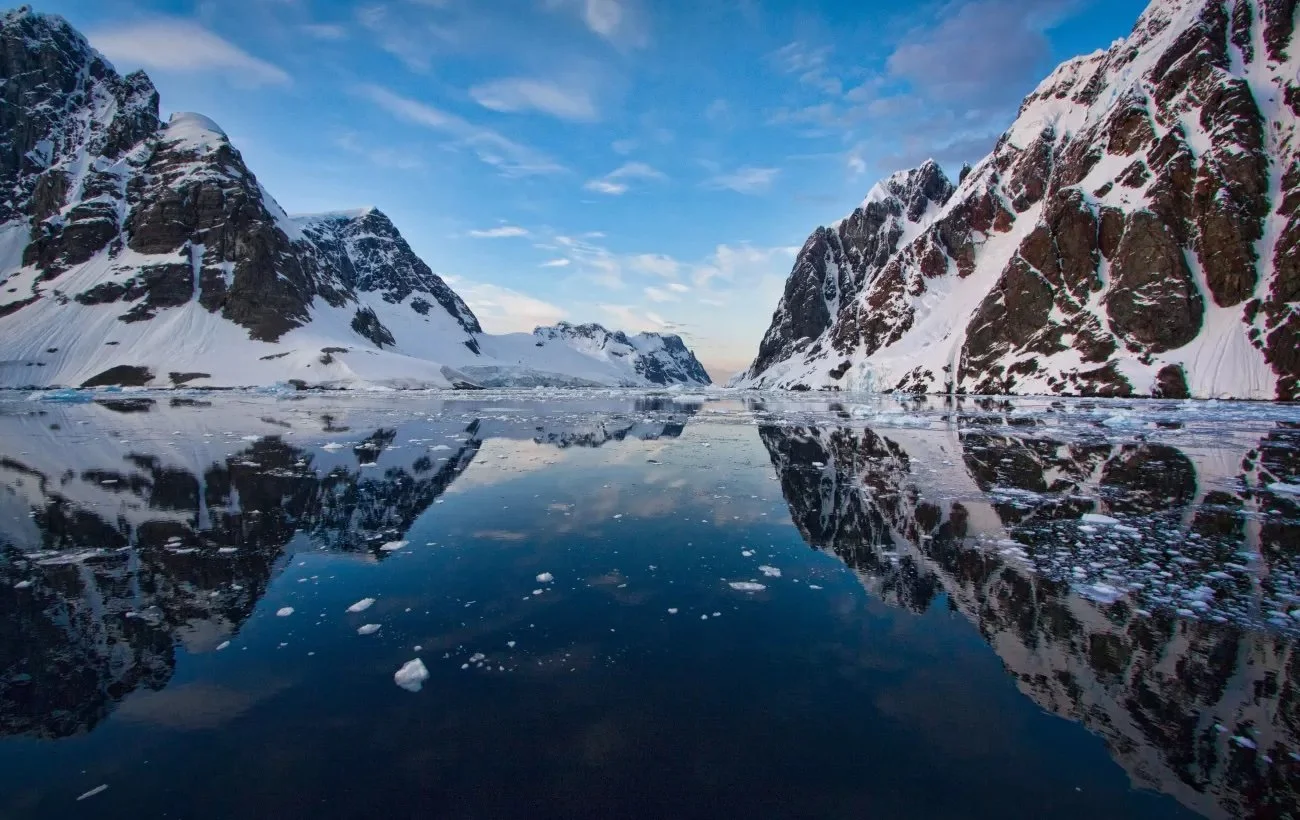
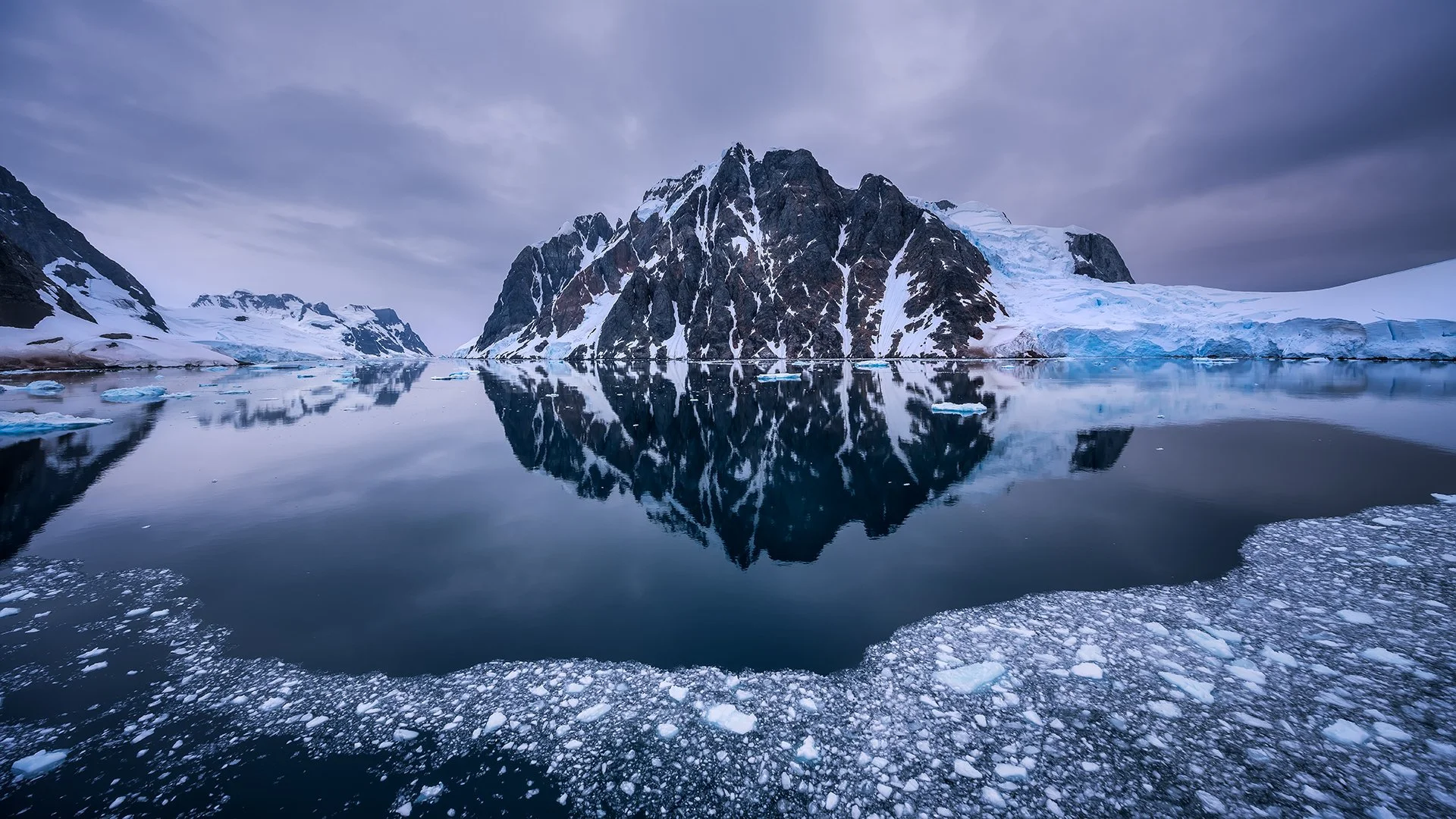
Lemaire Channel is one of the most iconic place in the Antarctic. Located at the narrow strait between Antarctica and Booth Island, the entire Channel is 11km long and 1.6km wide. With spectacular scenery along the way, the Channel therefore has the reputation of being the most beautiful waterway in Antarctica. Lemaire Channel is very narrow, with its narrowest section being only 800m wide. Coupled with ice floes that pass through the Channel, the navigable path is very narrow. It is also known as the "Click Channel" by National Geographic magazine, with steep mountains on both sides of the channel, thick snow that never melts, and magnificent ice floes on the channel that reflect each other. Every time you pass through this section of water, the whole deck will be filled with sounds of shutterbugs. Moreover, there is a good chance of spotting orcas or humpback whales while traveling through this area.

Credit: Colin Monteath

Credit: Kah Wai Lin

8. Port Charcot

A view of Port Charcot; Credit: ACACIA JOHNSON

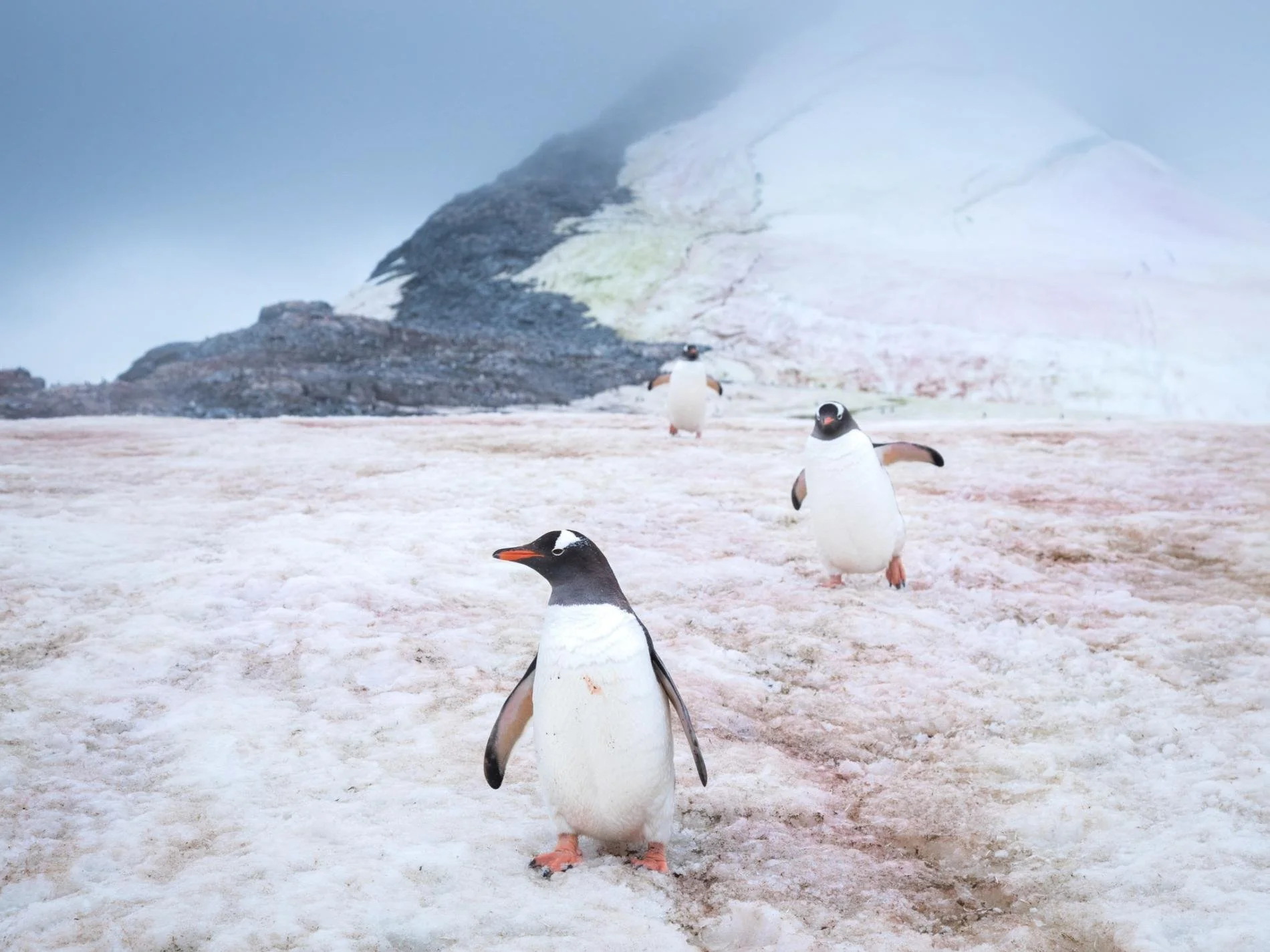
Port Charcot is one of the most popular habitats for penguins. However, a visible phenomenon here is worrying to scientists - the growth of red algae blooms. Red algae can damage the world's ice sheets, causing them to melt faster. And as a result, the Antarctic is gradually seeing more red snow and brown ice.

Credit: travelerian.com

9. Deception Island

Credit: GEOPHOTOSCAPES

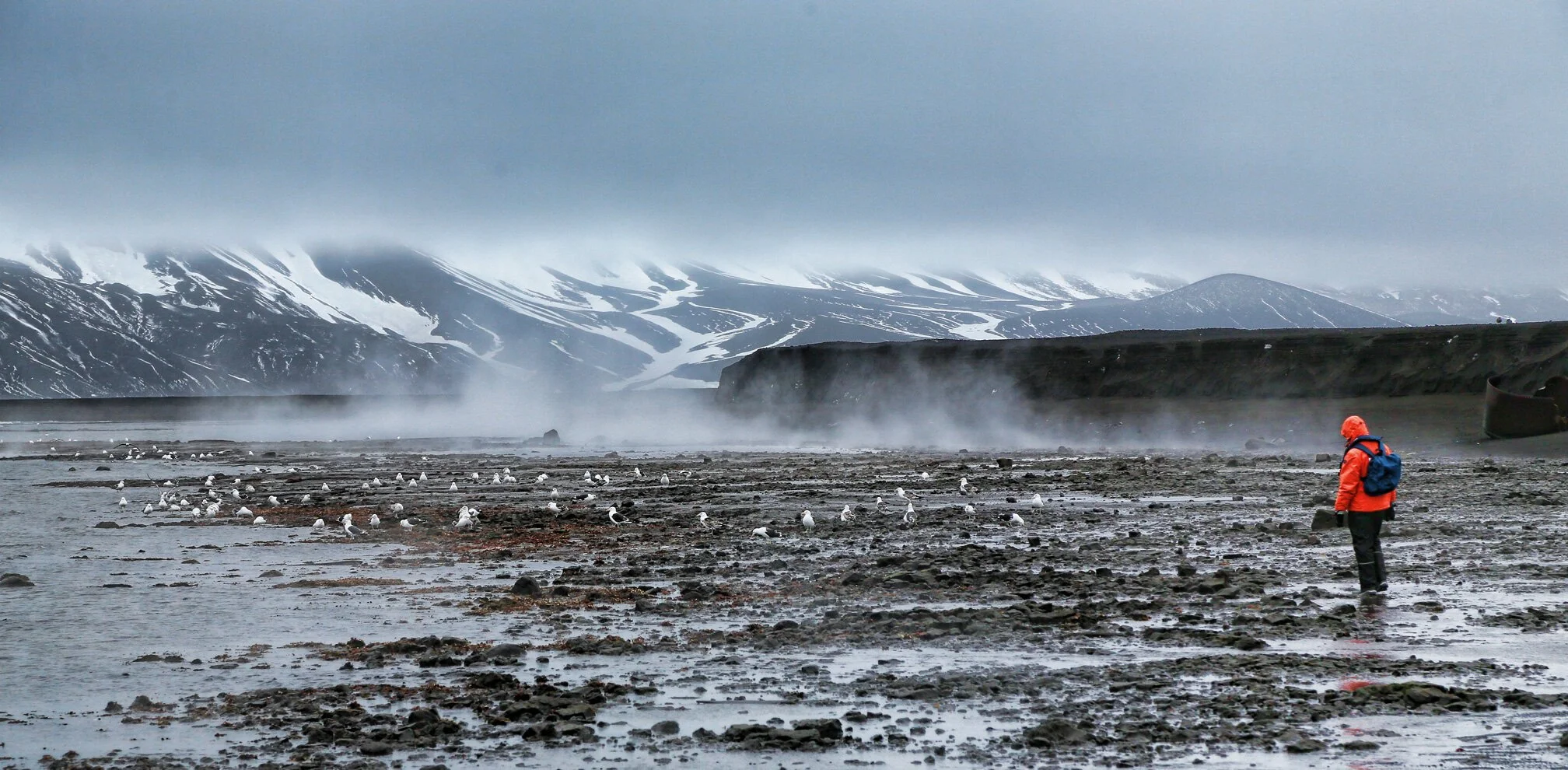
On Deception Island, one of the landing points is Baily Head on the southeastern tip of the island, which is home to the largest population of Chinstrap Penguins in the Antarctic Peninsula. According to recorded data, in 2011, there were more than 50,000 pairs of Chinstrap penguins living here, but with the influence of various factors, the number of penguins continues to decline.

Remains of whaling station; Credit: wikimedia commons

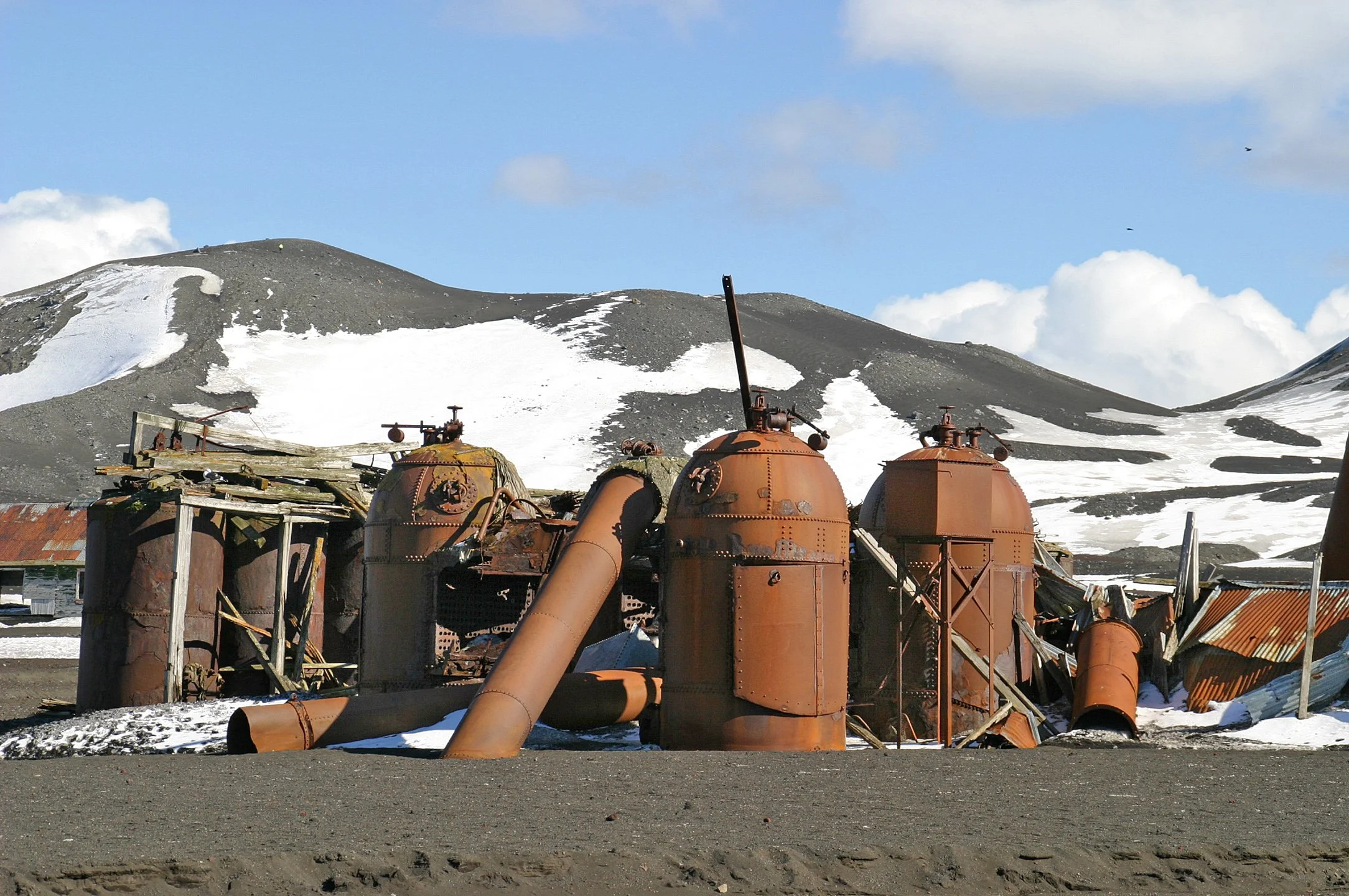
A whaling station was once set up on Deception Island, and its oil refining facilities can still be seen at the site. Due to the large number of whales being hunted, its population declined drastically. Later on, as whaling activities became unprofitable, these facilities were turned into a radio listening station for the British during World War II, and later on, they were transferred to scientific expeditions. Later, in the 1960s, a volcanic eruption on the island left these facilities in ruins.

Credit: mareike schadach

10. Elephant Point

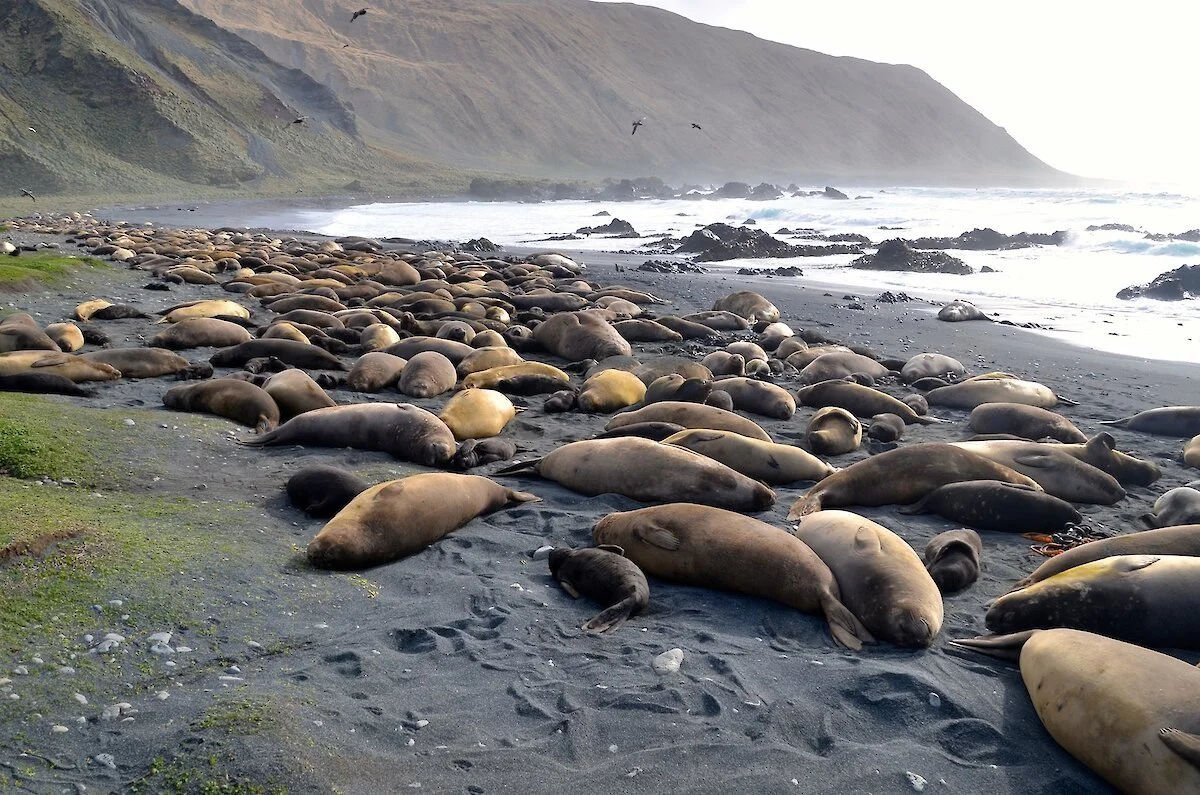
Elephant seals that look like sausages; Credit: Australian Antarctic Program

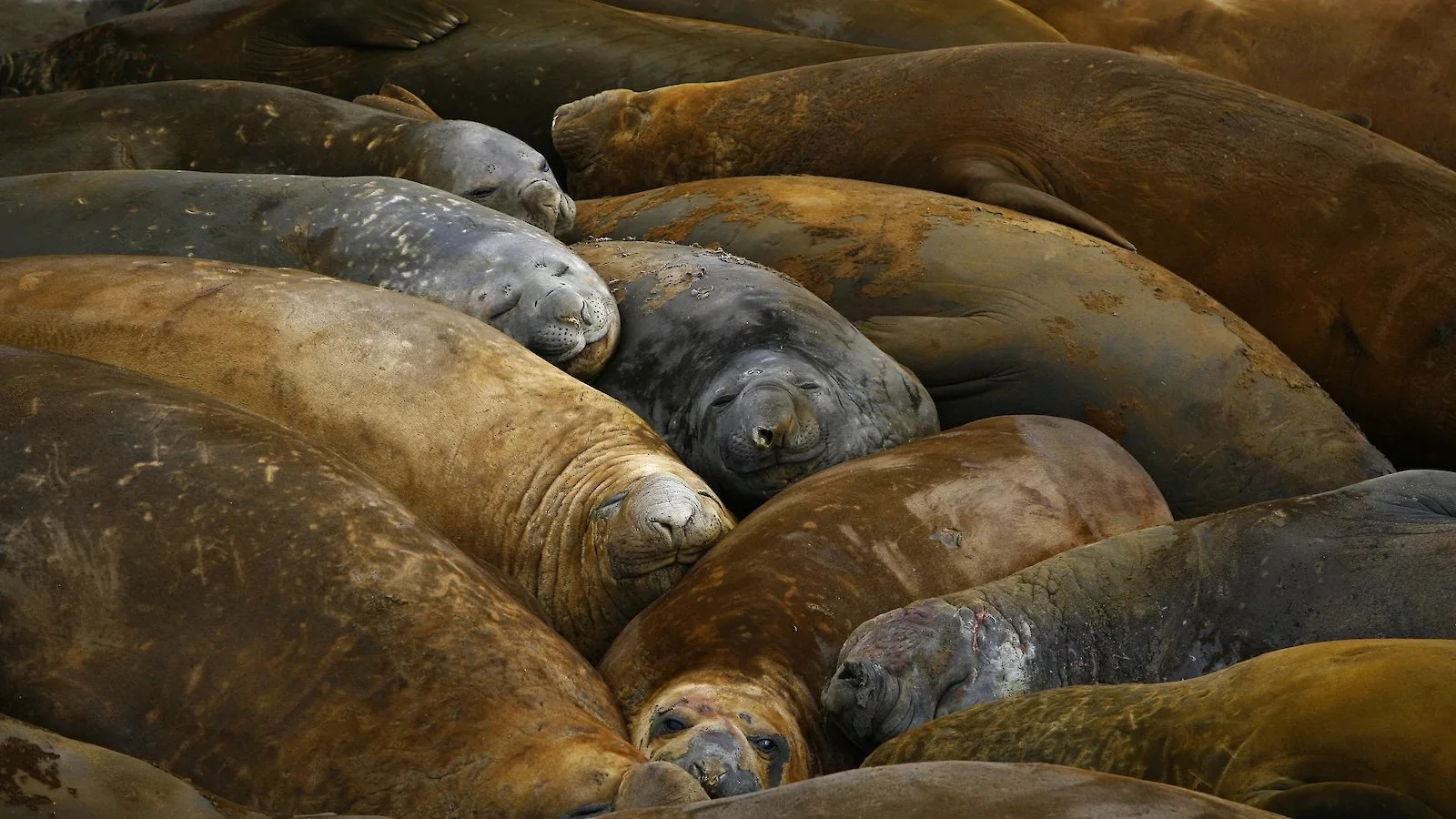
Elephant Point is one of the landing sites in the Antarctic Peninsula, located on the South Shetland Islands. With its more northern latitude, the island has lush greenery. In the 19th century, seal hunting used to be popular here, but now it has become a paradise for elephant seals, which can be seen everywhere, either lying around or being mischievous, or barking at each other at the drop of a hat.

Credit: Chris Wilson

The Antarctic Peninsula has so different and many amazing attractions that can never be fully listed in one article. What is your most memorable attraction? You are most welcomed to share with us.

Let's Go to Antarctica!

Comments (0)