



If you haven’t traveled to South Georgia Island, don’t even think about visiting Antarctica.
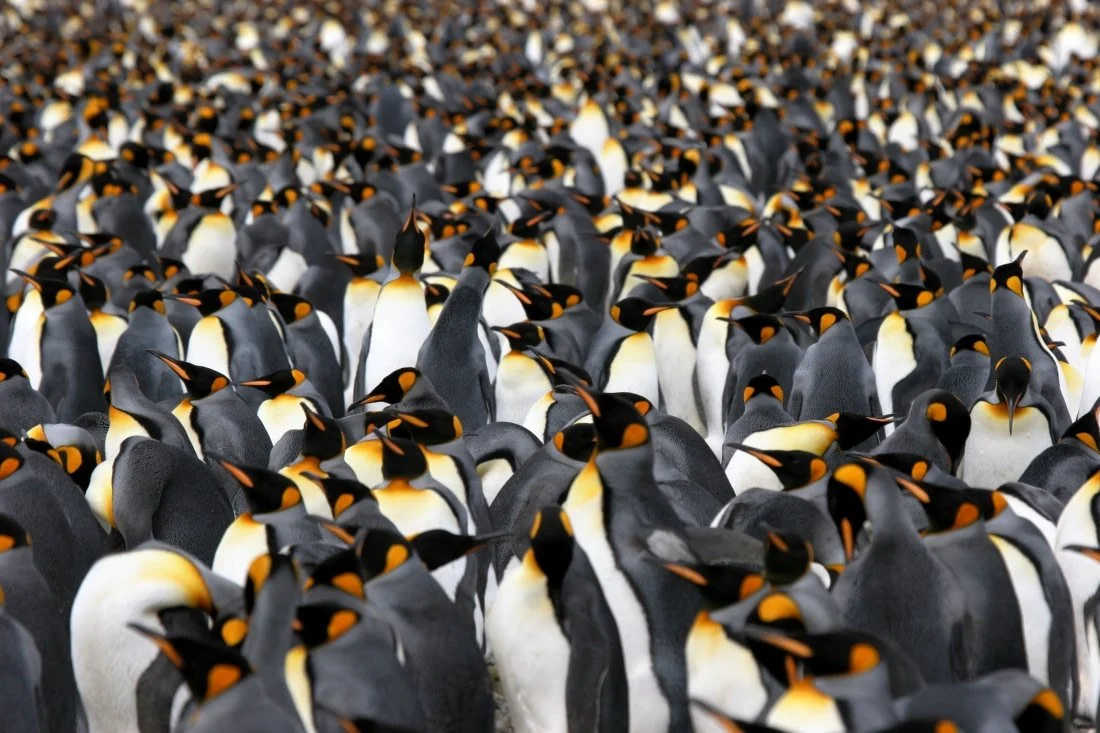
credit: oceanwide-expeditions.com
South Georgia Island, which has no airport and inconvenient transportation and no permanent residents, has created a pure environment suitable for becoming an animal paradise and has been given the beautiful name of the "Galapagos Islands of the Polar Regions".
In this article, we'll tell you where South Georgia is, how to get there, the best time to visit, and why you should include this island, which only sees 10,000 tourists each year, on your Antarctic travel itinerary.
(Related articles:Antarctic single island itinerary)
1. Where is South Georgia Island?
credit: quarkexpeditions.com
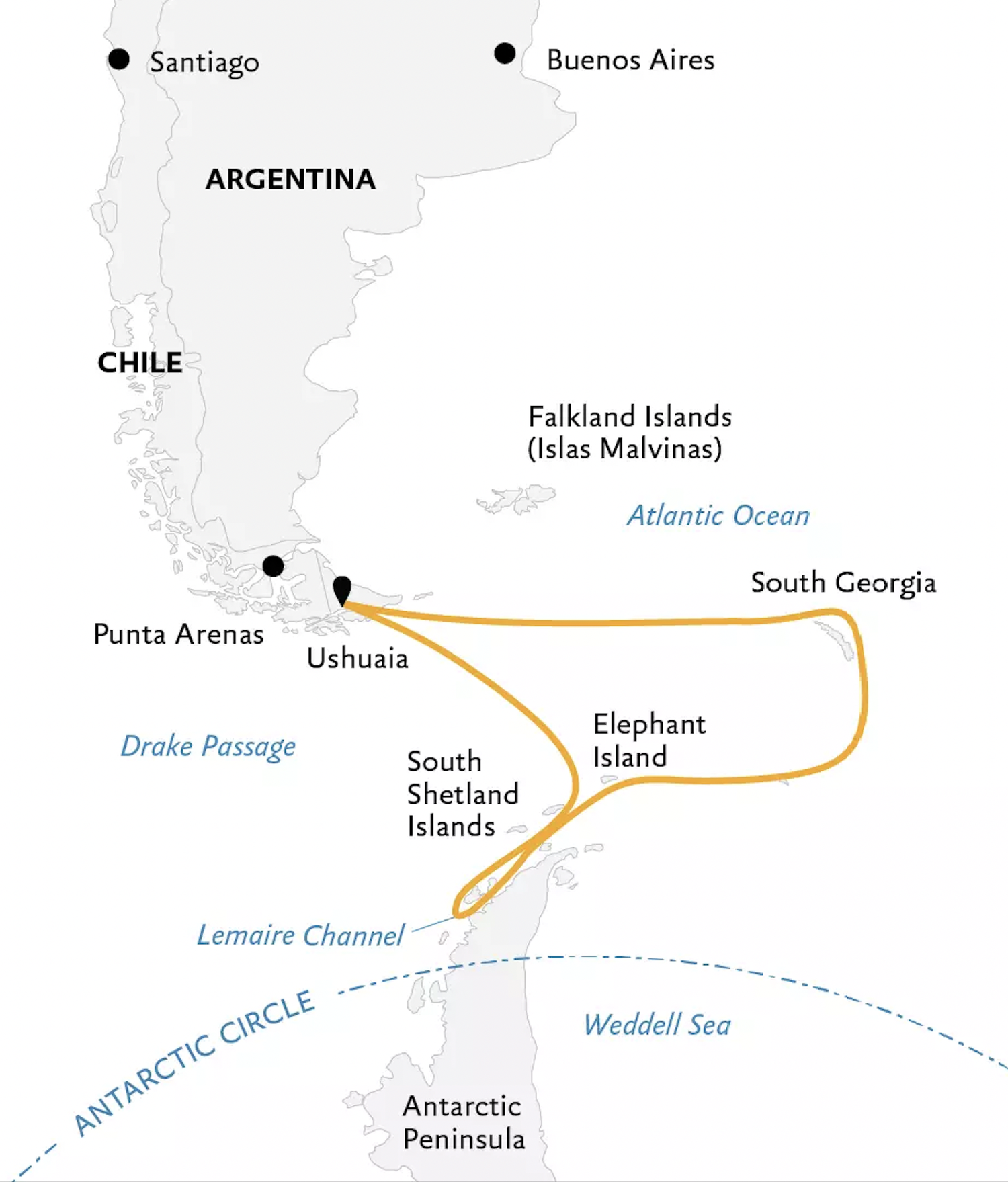
18-Day Two-Island Itinerary (South Georgia + Antarctica)
Day 1 Arrival in Ushuaia
Day 2 Embark from Ushuaia
Day 3 - 6 Sea Day
Day 7 - 9 South Georgia Island
Day 10 - 11 sea day
Day 12 - 15 Landing on Antarctica
Day 16 - 17 Sea Day
Day 18 Return to Ushuaia
Because the two-island itinerary is very popular among travelers, one of the three shipping companies on the market that offers a two-island itinerary to "South Georgia Island + Antarctica" will increase the number of days spent on South Georgia Island in the season from October 2024 to March 2025, so the total itinerary will take at least 18 days.
As you can see from the image above, South Georgia Island sits isolated and isolated in the Southern Ocean. A voyage from South America takes at least four and a half days, while a two-day voyage from the Falkland Islands takes two days. Although not part of the Antarctic continent, it is often included in Antarctic double and triple island itineraries. Therefore, if you're planning a trip to South Georgia, it's essential to combine it with a visit to Antarctica or the Falkland Islands.
Here are two common options:
1. Mishima:
This is the most popular option because for most tourists
For many, Antarctica is a once-in-a-lifetime destination. If time and budget permit, a three-island package tour is often the best choice. This itinerary costs over $15,000, and the average trip lasts at least 20 days, including three to five days on South Georgia Island.
2. Twin Islands:
For travelers who don't have 20 days to spare, some cruise lines offer two-island itineraries: "South Georgia + Antarctic Peninsula" or "Falkland Islands + South Georgia." Furthermore, because the more inaccessible a destination is, the more appealing it is. While the Falkland Islands have regular individual flights, even though the Antarctic Peninsula has an airport, flights are infrequent and often chartered by cruise lines. Therefore, the "South Georgia + Antarctic Peninsula" two-island itineraries are more popular.
Both itineraries total approximately 17 days, with approximately two to three days spent on South Georgia. However, since not every shipping company offers a two-island itinerary, the cost is similar to a three-island itinerary, starting at US$15,000.
2. Why go to South Georgia Island?
South Georgia is not only a vibrant animal paradise, but also a witness to many historical events. Therefore, if you have enough budget and time, we strongly recommend adding South Georgia to your itinerary.
1. Magnificent King Penguin Gathering

credit: nomadasaurus.com
When it comes to South Georgia Island, the first thing that comes to mind is the king penguins, a primary reason for most visitors. There are three locations on the island where you can photograph these penguins: St. Andrews Bay, Salisbury Plain, and Gold Harbour. St. Andrews Bay boasts the largest population of the entire island, with at least 150,000. This unique sight is only available here, among the three Antarctic islands.
2. Follow in Shackleton's footsteps
credit: discover.oneoceanexpeditions.com
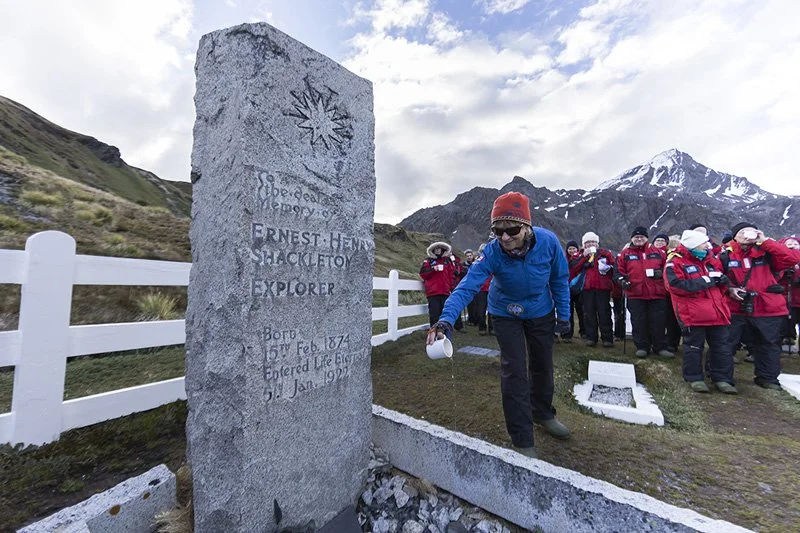
South Georgia Island has two most impressive historical events, the most well-known of which is Sir Ernest Henry Shackleton's Antarctic expedition.
On his third Antarctic expedition, Shackleton's original goal was to cross the Antarctic continent. However, his ship was crushed by ice as it approached Antarctica, forcing him to abandon ship and leave his 22 crew members on Elephant Island near Antarctica. With no other options, he took a gamble and sailed his five-man crew across the treacherous Southern Ocean, 1,300 kilometers, to South Georgia Island in search of help. Their only resources were a lifeboat and the captain's sextant. After 15 days of struggling at sea, they miraculously reached South Georgia Island and, after a 10-day hike, finally reached the whaling station. After three failed attempts to return, Shackleton finally sailed back to Elephant Island on his fourth attempt, thanks to assistance from the Chilean government. He kept his promise and rescued all 22 men who had persevered for 102 days.
To fully experience Sir Shackleton's adventurous spirit, some cruise companies offer "In Shackleton's Footsteps" hiking tours, allowing visitors to walk six kilometers from Fortuna Bay over the mountains to Stromness, and relive the arduous final journey of Sir Shackleton to the whaling station for help.
3. Visit Grytviken Museum
credit: tripadvisor.com.tw
The second story about South Georgia Island is a bit sad.
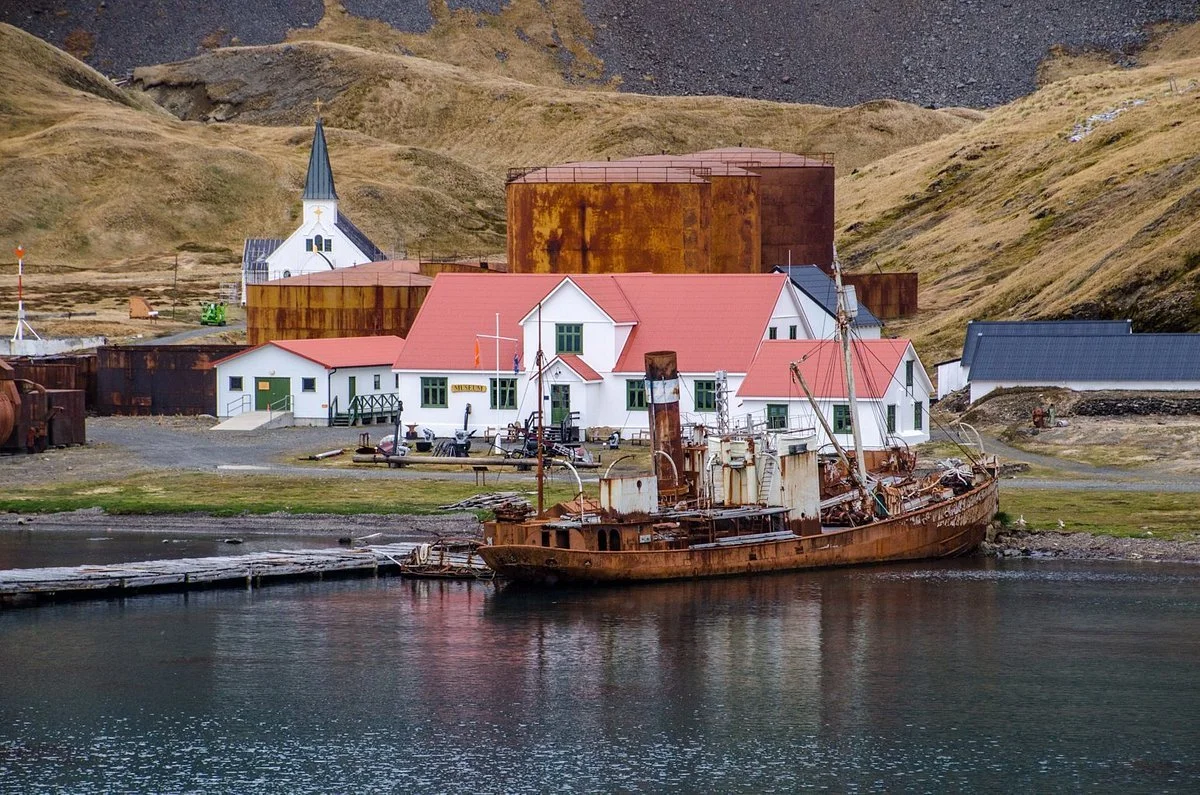
In 1902, a Norwegian explorer discovered a beautiful natural harbor on South Joya Island and named it Grytviken. However, his discovery brought devastation to the surrounding whale population: between 1904 and 1965, 150,000 whales perished in six processing plants on the island. These were used to make cream, soap, cosmetics, and even wartime explosives and rifle lubricants. Including the number of whales processed on ships, the total number of whales killed in this area is estimated to be 1.5 million.
This bloody and unbearable past is recorded in detail in the museum in Grytviken. Thanks to the efforts of many ecologists in recent years, after half a century, we can finally see killer whales and southern right whales again near South Georgia Island.
From the aerial video, you can clearly see the various processing equipment left over from the whale processing factory.
3. How to get to South Georgia Island?
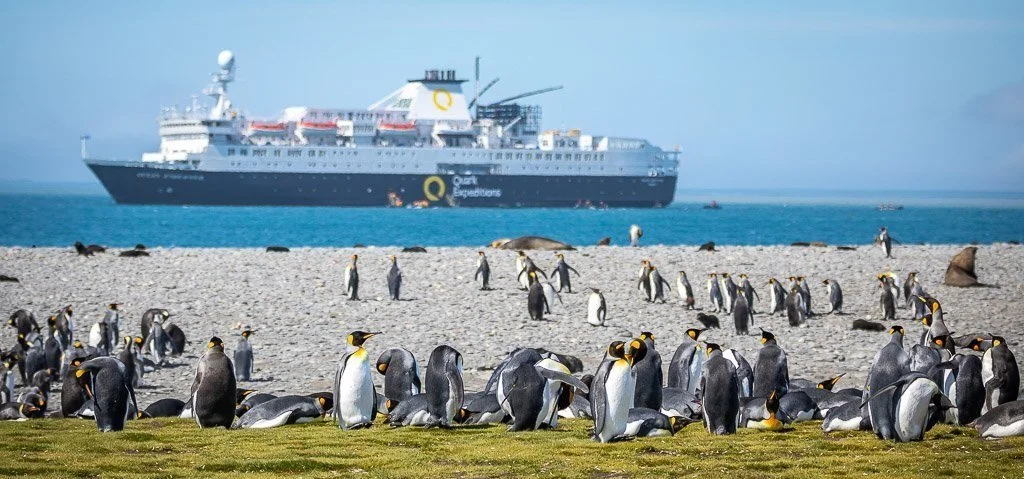
There are currently three ways to travel to South Georgia: cruise, plane, and sailboat. The first two are the most popular modes of transportation.
1. Cruise:
credit: passportandpixels.com
2. Aircraft:
However, for those with limited time or those not comfortable with cruises, another option is to take a weekly flight from Punta Arenas, Chile, to the Falklands. From there, take a ferry to South Georgia – trading a 1.5-hour flight for a two-day cruise from Ushuaia to the Falklands. This option is the most time-efficient, but also more expensive.

credit: falklandislands.com
3. Sailing:
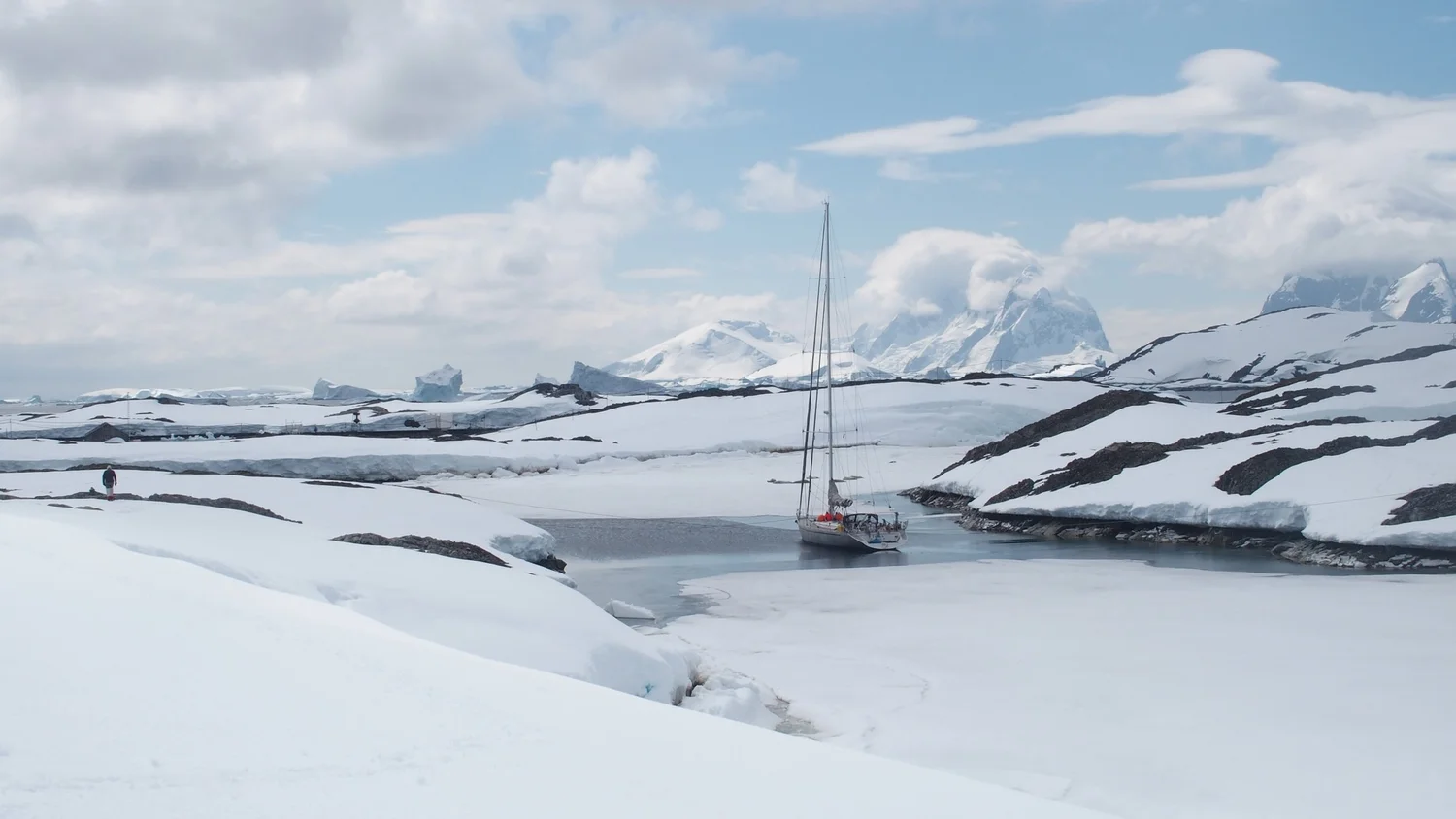
If you're looking for a true adventure and a closer encounter with the Southern Ocean, consider sailing. You're not just a passenger on board; if conditions permit, you might even have the opportunity to take the helm. Marama Expeditions offers round-trip itineraries from the Falklands to South Georgia. Compared to a typical cruise, this takes longer, at 35 days, as the one-way journey takes five days, and costs €16,500.
credit: maramaexpeditions.com
4. What is the best time to travel?
South Georgia Island's travel seasons follow the Antarctic seasons. The biggest difference is that each animal has its own breeding cycle. Below we will use penguins, seals, and albatrosses as categories.
1. King Penguin
credit: artwolfe.com
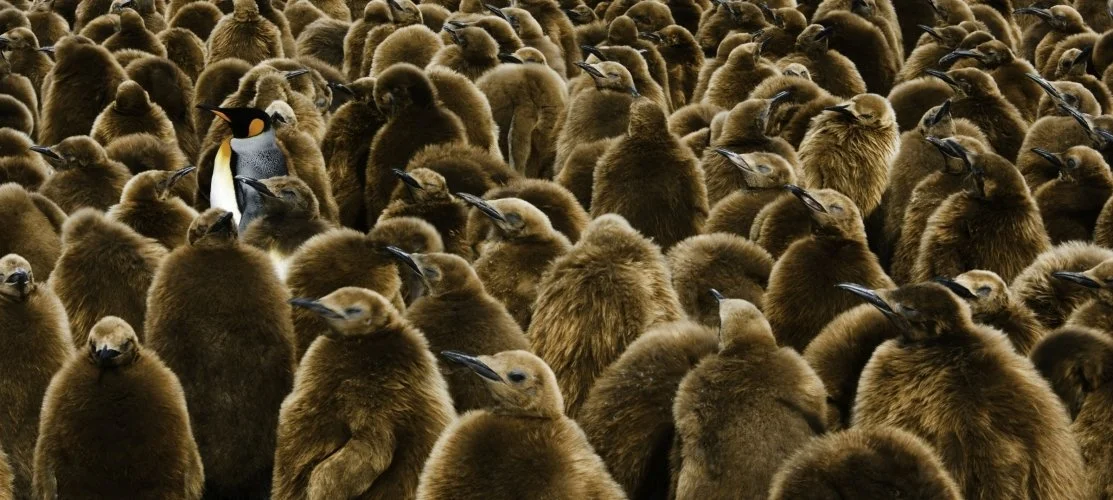
Unlike most penguins, which have a distinct incubation period, king penguins' egg-laying season begins in November and continues until March of the following year. Therefore, no matter when you visit South Georgia Island, you'll have the chance to see the fuzzy, kiwi-like chicks and the proud, majestic fathers and mothers.
2. Seals
credit: pinterest.com
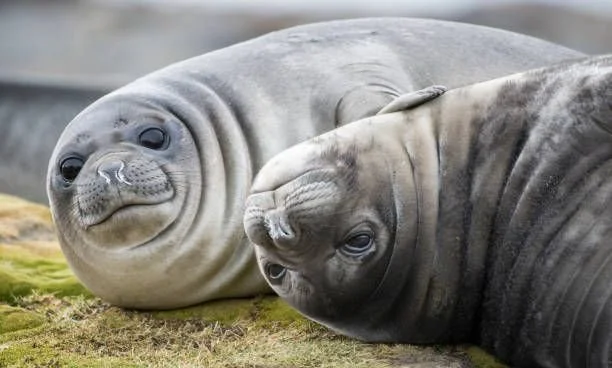
Early in the season, before the females arrive, everything is peaceful. But once the females arrive, the males become hyperactive and prone to runaways, desperate to find a mate. Seal numbers peak in the main breeding areas by mid-November.
3. Albatross
credit: oceanwide-expeditions.com
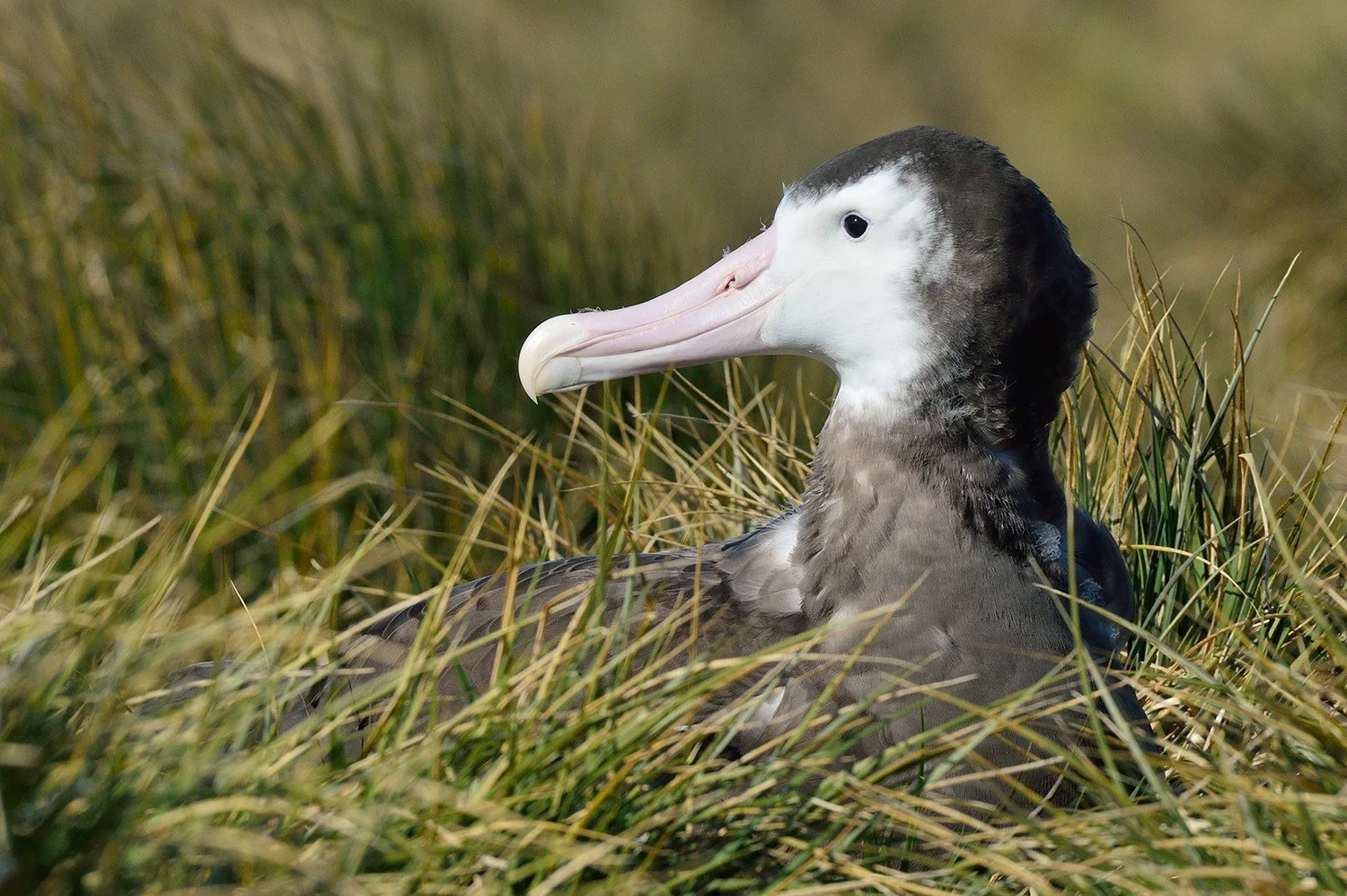
If you're an albatross enthusiast, remember Prion Island. It's one of the few remaining colonies of wandering albatrosses and a breeding beach for fur seals, earning it a special protection zone. The area is closed from November 20th to January 7th of the following year, so be sure to visit after January 7th. At the end of the season, albatross chicks are preparing to hatch for the coming winter.
5. Maintaining South Georgia Island is not easy, and it requires you and me to protect it together.

credit: youtube.com/watch?v=5gjgxS8mHJ0
After sharing various aspects of traveling to South Georgia, I would like to remind you of the importance of ecological conservation.
Looking back at the island's history, in the 18th century, rats, introduced by whaling stowaways, nearly wiped out the island's albatrosses and Antarctic pipits. These uninvited visitors, who primarily feed on bird eggs, nearly wiped out the island's albatrosses and Antarctic pipits. It took five years of dedicated efforts to eradicate the last remaining rats. If you're captivated by photos of hundreds of thousands of king penguins and decide to visit South Georgia, remember to follow your polar guide's instructions and thoroughly clean your boots before landing. Once you've landed, leave nothing behind but your footprints, and take nothing with you but your photos.
As an animal paradise in the Southern Ocean, South Georgia Island's present-day beauty is hard-earned. And this beauty needs us, as tourists, to protect it.
If you want to know more about South Georgia Island travel plans, please visitFacebook, Instagram, orwrite a letterTell us.
Set off for Antarctica. No longer out of reach
Let's go to Antarctica!
Comments (0)