



Sleeping under the Antarctic Starry Night - Antarctica Camping
Ever thought of which Antarctica additional activity is the most popular?
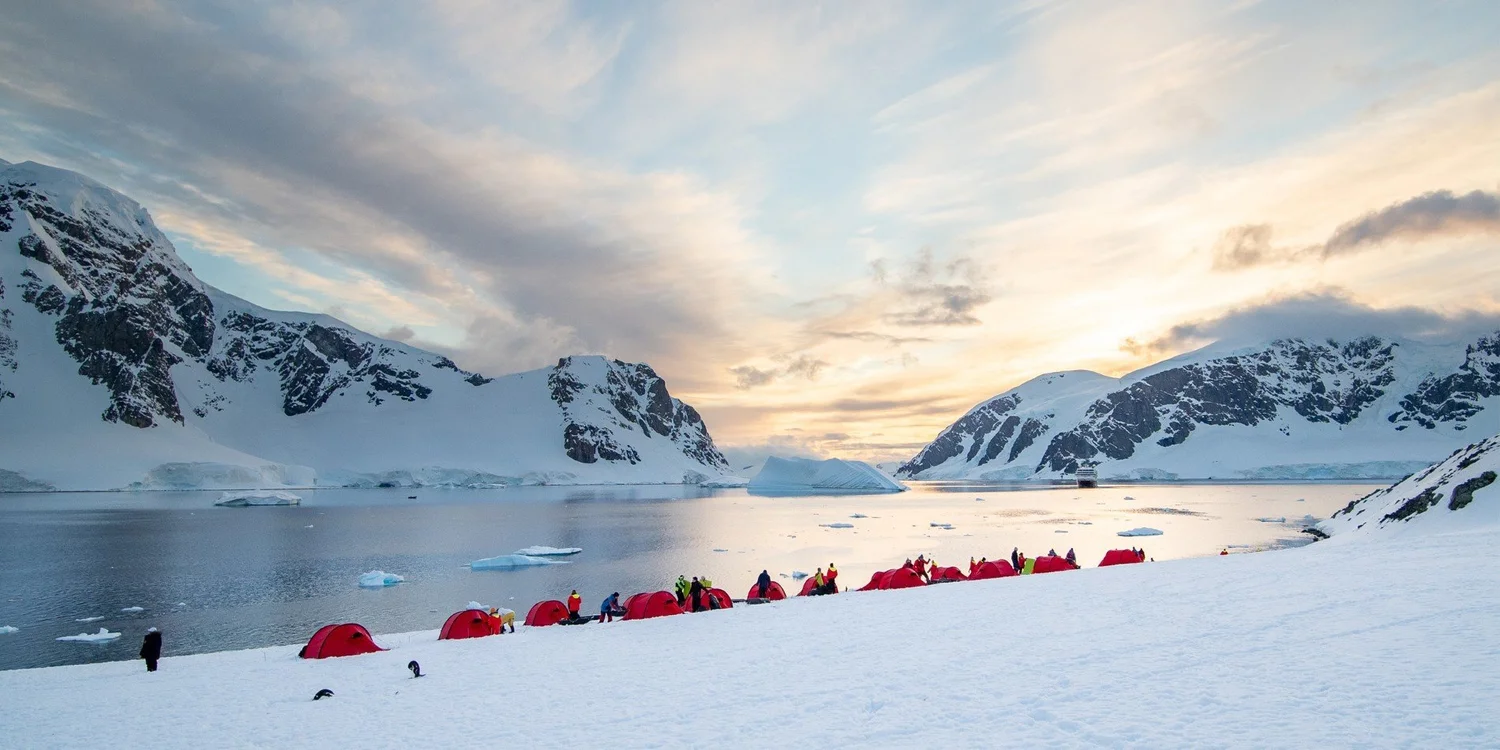
Credit: Hurtigruten
In Antarctic itineraries, cruise lines often provide optional activities that has limited quotas, in order to encourage travelers to spend more money for a closer and greater access to Antarctica landscape and wildlife. These activities are often extremely popular, even selling out during the early bird sales period. The reason is that, to protect the fragile Antarctic ecosystem, the Antarctic Treaty sets quotas for the number of ships and landings at each port. Such system indirectly limits the time tourists can visit.
Therefore, if tourists want to enjoy more contact with penguins or the Antarctic landscape, the only solution is to sign up for additional activities.
Cruise lines offer a wide range of optional activities, typically including canoeing, kayaking, skiing, hiking, stand-up paddleboarding (SUP), and camping. Camping is undoubtedly the most popular option, as it offers the longest duration and allows for more up-close and personal experience with Antarctica. This article will provide a glimpse into the unique experiences offered by this activity.
1. Digging your own bed~
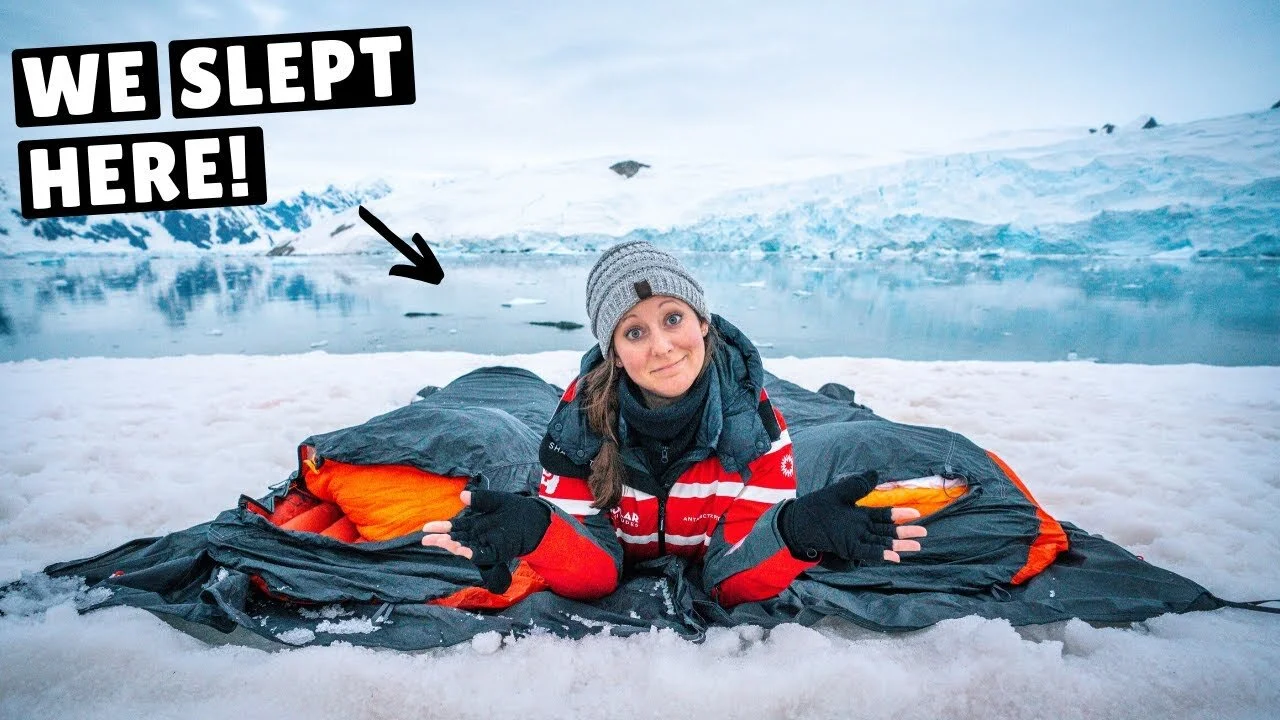
Credit: Kara and Nate
On a cruise ship, the friendly housekeeping staff will help you make your bed and change the sheets every day. However, when camping in Antarctica, you have to make your own bed.
Choosing a snow bed location is all about quick thinking and quick hands. If you prefer to be away from the crowds, be sure to catch the first rubber boat to depart to secure a good spot. If you frequently need to use the restroom late at night, remember to locate the restroom's coordinates and then take the closest spot. You might be wondering, "How do you carve out a perfect snow bed?" The trick is to pile the snow firmly around your sleeping bag, making sure it's deep and wide enough to bury you. Too much or too little is not good. Next, make sure to get to know your neighbors first, so they can help you if you get too deep. Finally, remember to wrap yourself tightly to prevent any unexpected nighttime visitors—those adorable penguins—from waking you up.
Don't worry, Antarctica isn't too cold in the summer. With a warm sleeping bag, you often fall asleep in a second.
2. What about the toilet?
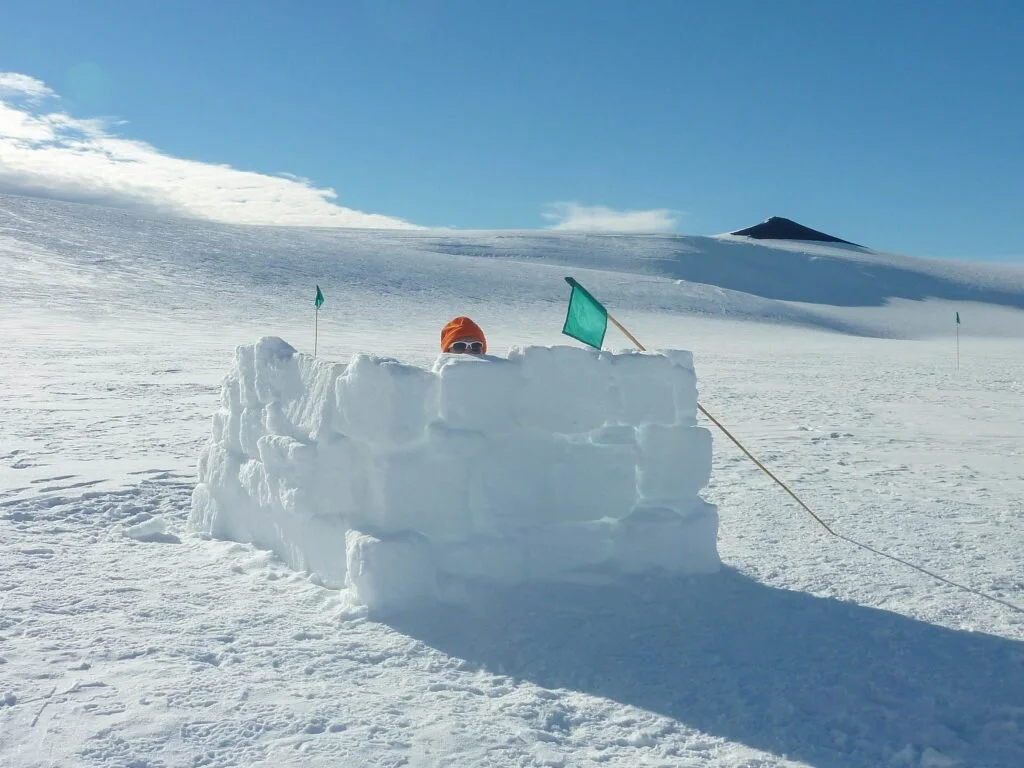
Credit: trailslesstravelled.com
During the day, before each landing, the guide would remind us, "Don't leave anything in Antarctica except footprints." So, how do we meet human physiological needs when camping?
Before we land, our guides will split up into several groups. Besides setting up camp and securing a safe area, one of the groups also has to set up a makeshift toilet. This toilet consists of a large blue bucket, and yes, just the bucket. The guides will place toilet paper on the snow wall next to it. For discarded toiletries, there will be a small bag for everyone to use. The most moving part of the restroom visit is undoubtedly the feeling of being relieved. After all, there's no chance to sleep topless or bare-chested in Antarctica. Only then does one feel truly infused with the Antarctic landmass.
As for personal belongings, they will be taken back and processed upon returning to the cruise ship in the next morning, to ensure that no trace of the camping visit is left. And of course, not to scare the penguins.
3. What woke me up was not my dream, but the penguin.

Credit: abcnews.go
The most attractive thing about camping in Antarctica is not only the rare nighttime outdoor experience, but also the unexpected visitor, the penguins.
From the moment we landed, we felt someone—no, a living being—watching us. When you turned away and lost sight of it, a chill ran down your spine, then you looked down and saw it was a curious penguin. Curious about us, the uninvited guests occupying their nest, the penguins came to watch. The Antarctic Convention stipulates that humans must stay five meters away from penguins, with the only exception being when the penguins approached. So, every visitor happily let the penguins visit their cots.
Antarctic nights are exceptionally peaceful and tranquil, the only background music being the occasional crackling of ice. After a good night's sleep, you think your neighbor is considerately patting your sleeping bag to wake you up. Then, looking over, you spot a small creature standing beside you. A closer look reveals it's the penguin warden. Such surprises can only be encountered during camping.

Credit: hl-cruises.com
In summary, in addition to the reasons mentioned above, camping as an optional activity has always been popular. More importantly, by participating in this activity, tourists can break away from the comfort zone of spending the night in the cruise room and truly integrate with the Antarctic landmass.
Whether visitors embrace the once-in-a-lifetime experience or aim to visit Antarctica a few more times, the reason they choose to visit is undoubtedly driven by a fervent adventurous spirit. Compared to gazing at the distant Antarctic from a cruise ship across the Antarctic Ocean after dark, being able to lie close to the snow, using the sky as a blanket and the snow as a bed, and exploring this long-dreamed-of land amidst the perpetual daylight, truly satisfies that restless adventurous spirit.
Comments (0)