



Three major Antarctic travel routes (Part 2): Three Islands Itinerary
credit: bbc.com
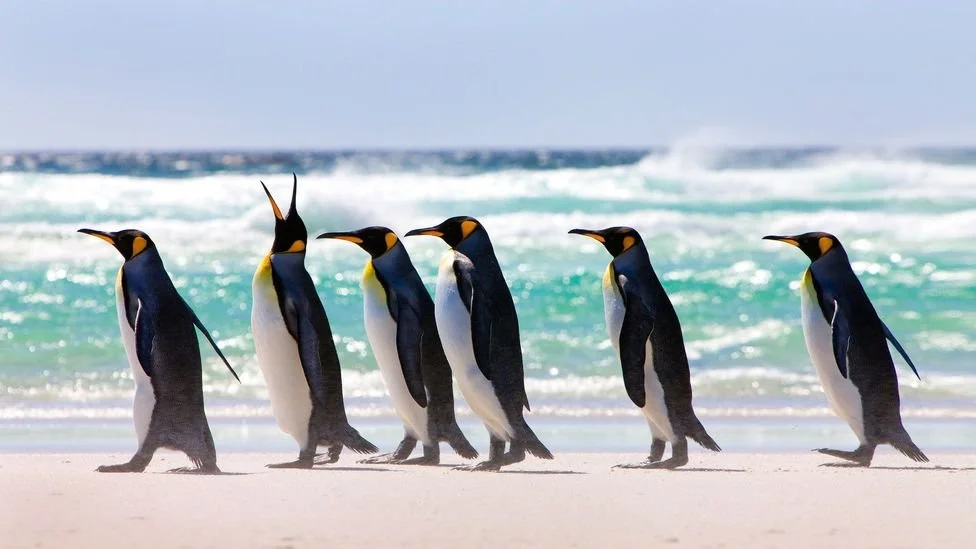
A round-trip boat trip from Ushuaia, Argentina, takes 20 days and starts at US$20,000. The itinerary will visit the Falkland Islands, South Georgia Island, and the three islands of Antarctica. Because up to seven species of penguins can be seen at a time, and the itinerary is rare, it has always been in short supply.
Below we will use a 20-day trip to the three islands as an example to explain the daily activities in detail.
1. 20-day itinerary overview
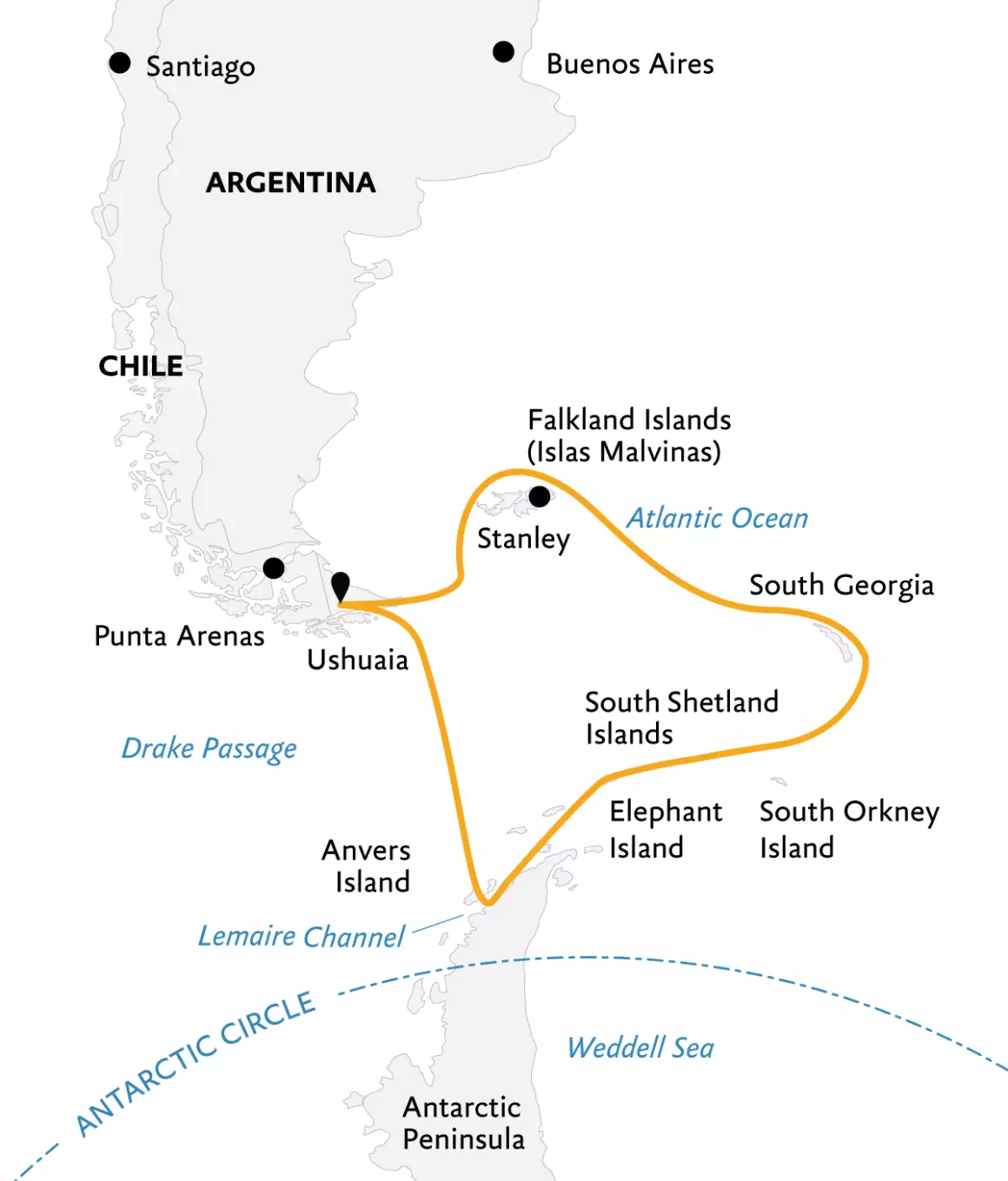
credit: quarkexpeditions.com
20-Day Three-Island Itinerary (Falkland Islands + South Georgia + Antarctica)
Day 1 Arrival in Ushuaia
Day 2 Embark from Ushuaia
Day 3 sea day
Day 4 - 5 Falkland Islands
Day 6 - 7 Sea Day
Day 8 - 11 South Georgia Island
Day 12 - 13 sea day
Day 14 - 17 Landing on Antarctica
Day 18 - 19 Sea Day
Day 20 Return to Ushuaia
The three-island itinerary includes visits to Antarctica, South Georgia, and the Falkland Islands. After deducting the embarkation day on the first day and the disembarkation day on the last day, the total number of days available for exploration is nine. Assuming safety is assured, the captain and expedition leader will arrange for one landing each morning and afternoon, as well as a Zodiac cruise, during each of the nine days.
Therefore, a 20-day trip to the two islands can expect 18 landing opportunities.
2. Arrival in Ushuaia (Day 1)
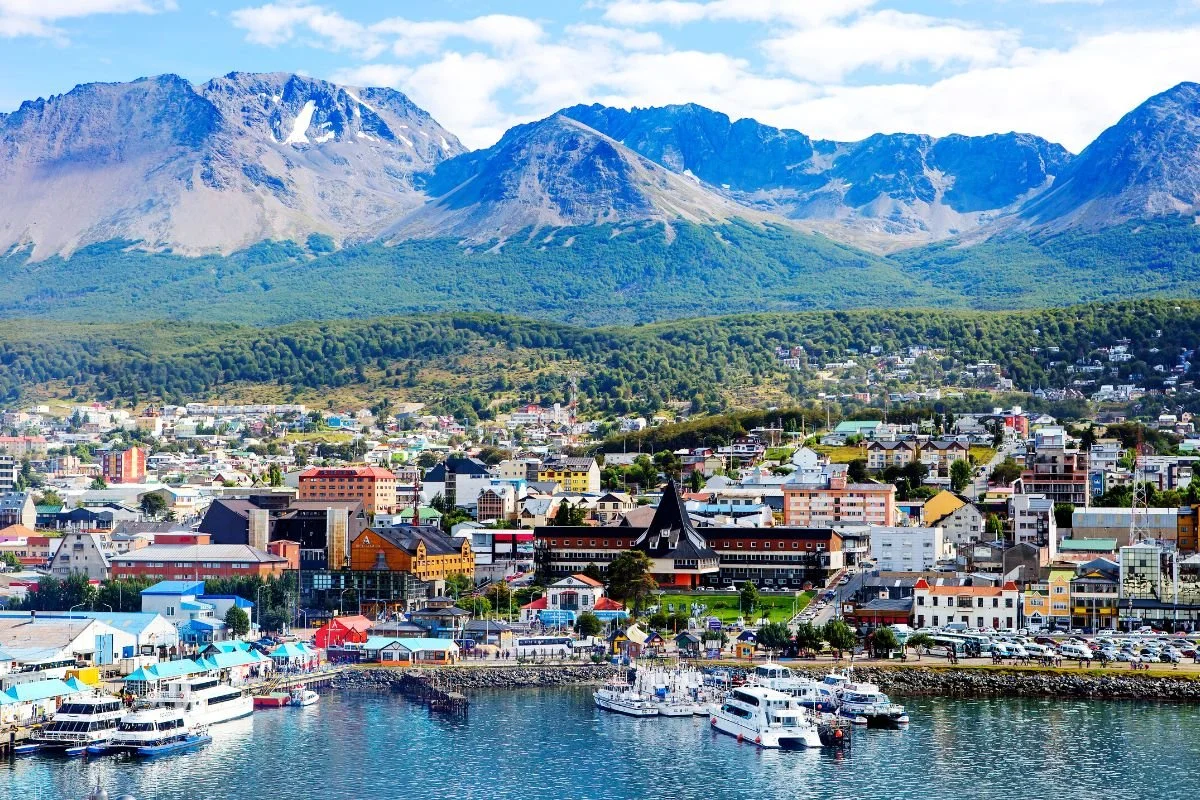
Ushuaia street scene credit: tourscanner.com/blog/best-things-to-do-in-ushuaia/
If your ferry ticket includes pre-departure accommodation, the ferry company will arrange for a pick-up person to meet you at the airport with a sign. Just remember to complete the online form and provide your arrival flight information to the ferry company before departure. Before boarding the ferry between 2:00 PM and 4:00 PM the next day, you can plan the following activities in Ushuaia:
GoTierra del Fuego Parkand visitThe world's southernmost post office
Visit the filming location of Happy Together - The world's southernmost lighthouse
Shops in townBuy postcards
tasteDelicious king crab
3. Embarkation Day (Day 2)
credit: quarkexpeditions.com
In addition to using the daytime toTierra del Fuego ParkAnd visitThe world's southernmost post office,visit"Happy TogetherFilming Locations - The world's southernmost lighthouse, in the shops in townBuy postcards, or tasteDelicious king crab.
The two most important things for an Antarctic trip areLuggage storageas well asBoarding.
Luggage Storage:
Your checked baggage will be delivered to your cabin door by the shipping company. All you need to do is place it at the designated location before the designated time.
If your ferry ticket includes accommodation for the night before embarkation, you can leave your luggage in the hotel lobby before checking out on the day of embarkation, marking your cabin number. Otherwise, you will need to pay close attention to the pre-departure document sent by the shipping company (usually sent one month before departure), which will detail the location and time for luggage storage.
Embarkation:
Ushuaia has only one embarkation terminal for Antarctica, and all passengers must board the ferry's ship using a shuttle bus arranged by the ferry company. On the afternoon of the embarkation day, passengers must meet at the parking lot in front of the "Ushuaia Fin del Mundo" landmark between 2:00 PM and 4:00 PM to await the shuttle bus arranged by each ferry company. If your ferry ticket includes pre-departure accommodation, the ferry company will provide transportation from your pre-departure hotel to the parking lot in front of the landmark.
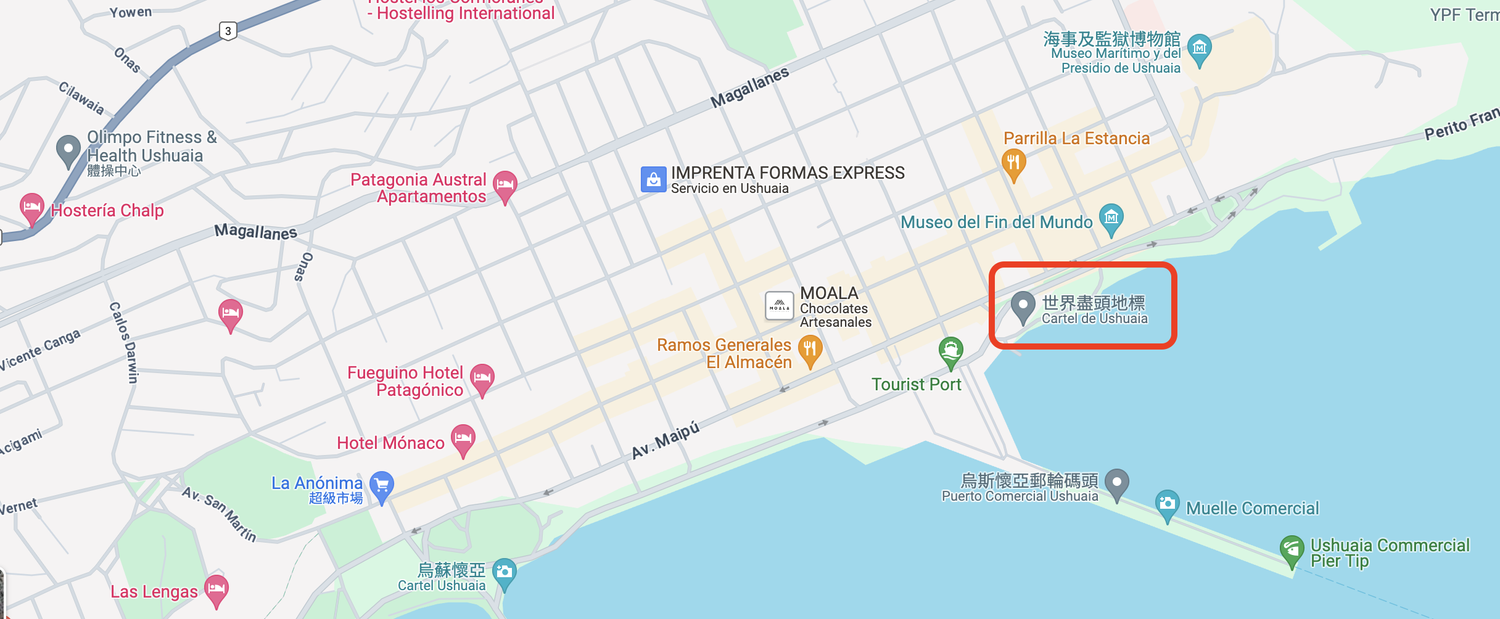
The relative position of the World's End landmark to the pier
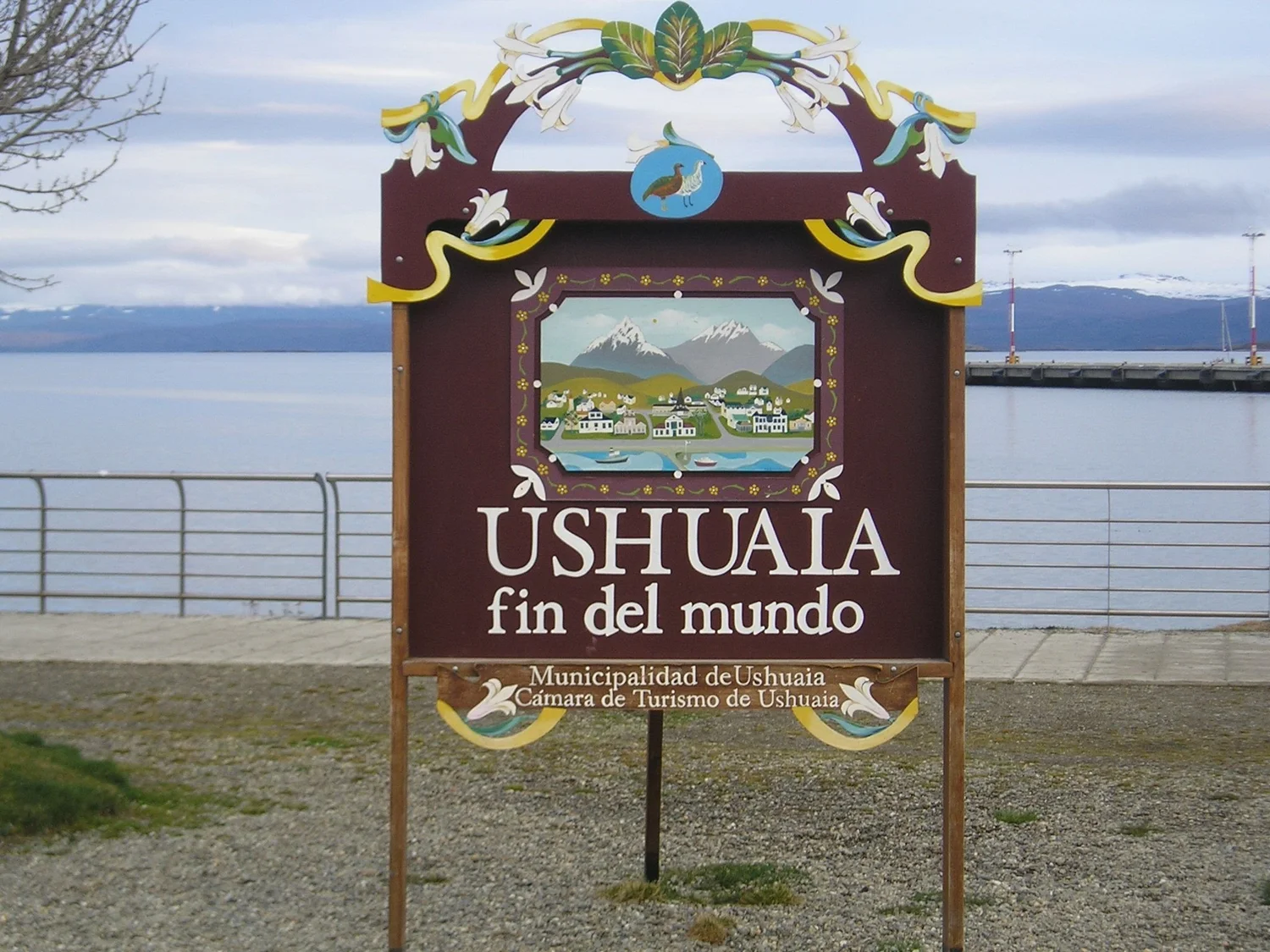
The End of the World landmark credit: lalaviajera.com/ushuaia-fin-del-mundo-tierra-fuego/
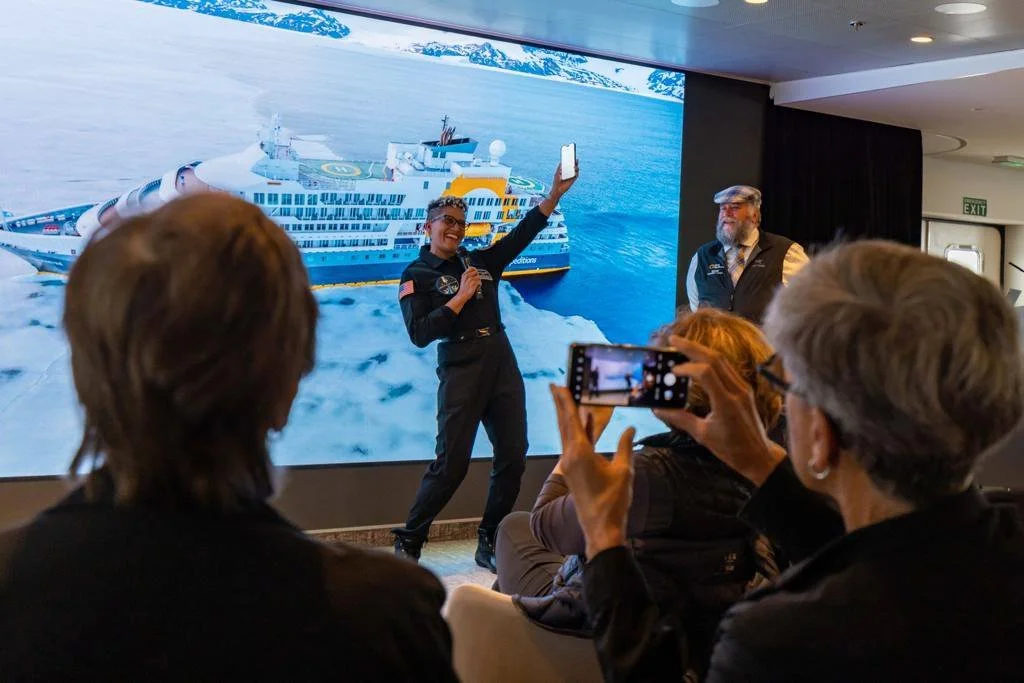
After boarding the ship, the company will arrange a welcome ceremony and offer welcome drinks. After completing boarding procedures at the front desk (collecting room keys and linking credit cards for onboard purchases), passengers will gather in the ship's lobby to meet the crew and the captain. Furthermore, the expedition team will invite all passengers to the landing preparation area to try on polar coats (if provided) and snowshoes for landing.
Most departure times are at 18:00, at which time you can go to the stern and say goodbye to Ushuaia.
Day 3
credit: fidc.co.fk
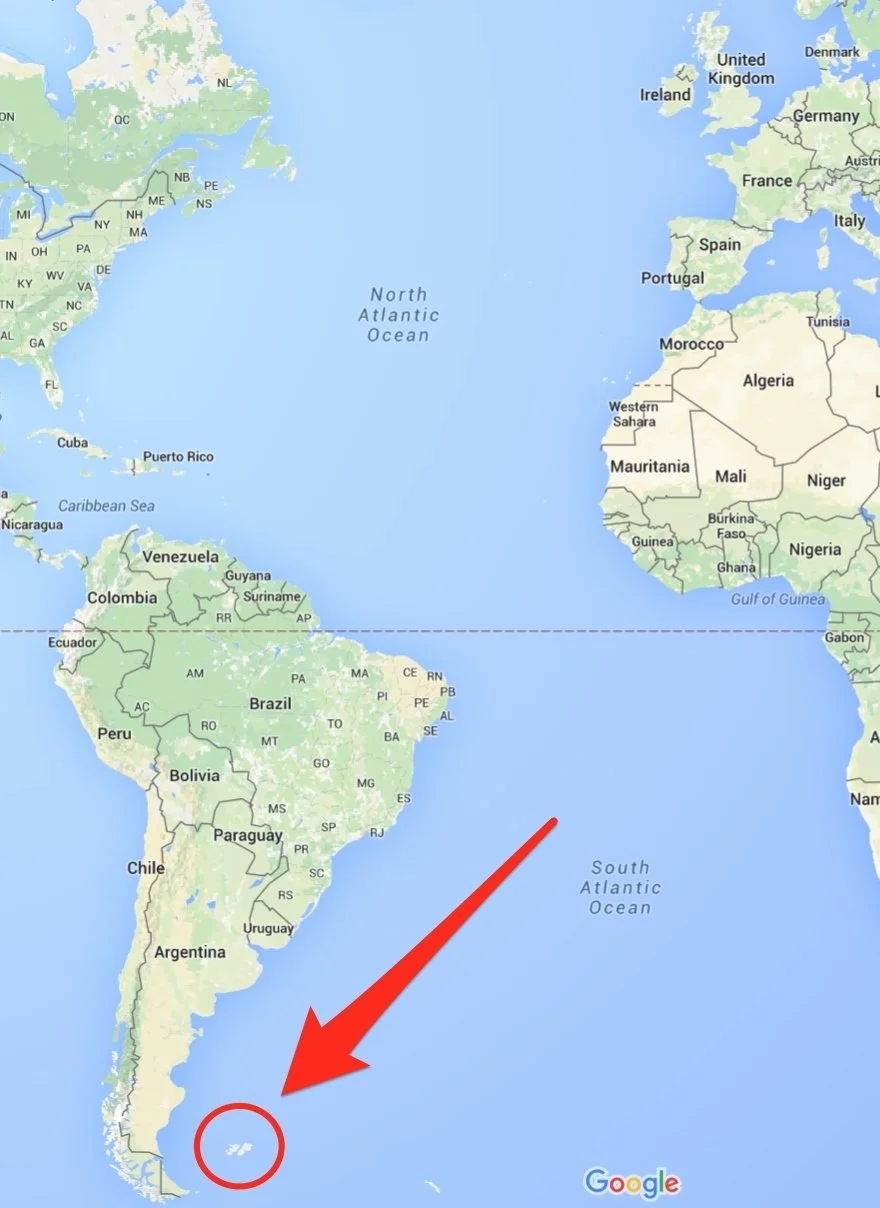
The Falkland Islands are located approximately 650 kilometers off the coast of South America and can be reached by cruise ship from Ushuaia, taking about a day and a half. During this time, the expedition team and experts on board will invite all passengers to participate in lectures on topics such as history, geography, and ecology, helping them gain a deeper understanding of the islands.
5. Falkland Islands (Day 4 - Day 5)
credit: fidc.co.fk
D-Day Schedule
7am wake up
8am Breakfast
10am - 1pm First landing
1pm - 2pm Lunch
2pm - 5pm Second landing
6pm Daily summary and next day's itinerary sharing
7:30pm Dinner
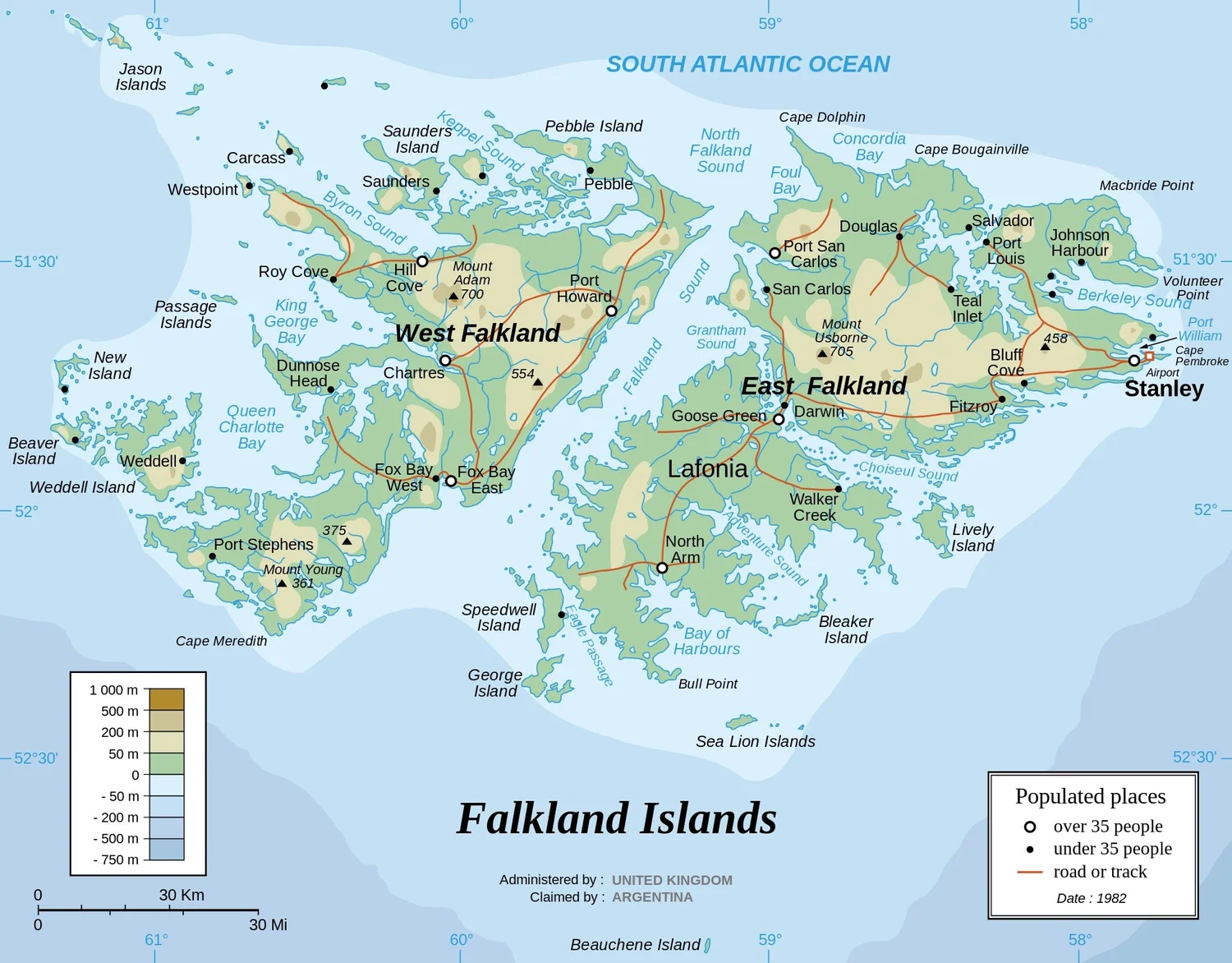
Because of the Falklands War, the archipelago has two names: the United Kingdom and other countries call it the "Falklands," while Latin American countries and China refer to it as the "Malvinas Islands." The Falklands actually comprise nearly 800 islands, large and small. The two largest are East Falkland, home to the capital, Standley, and West Falkland. They are separated by the Falkland Sound, accessible only by ship or plane. Cruise ship operators can arrange two days of stay, and weather permitting, they will arrange landings at different locations on the East and West Falkland Islands.
credit: pinterest.com
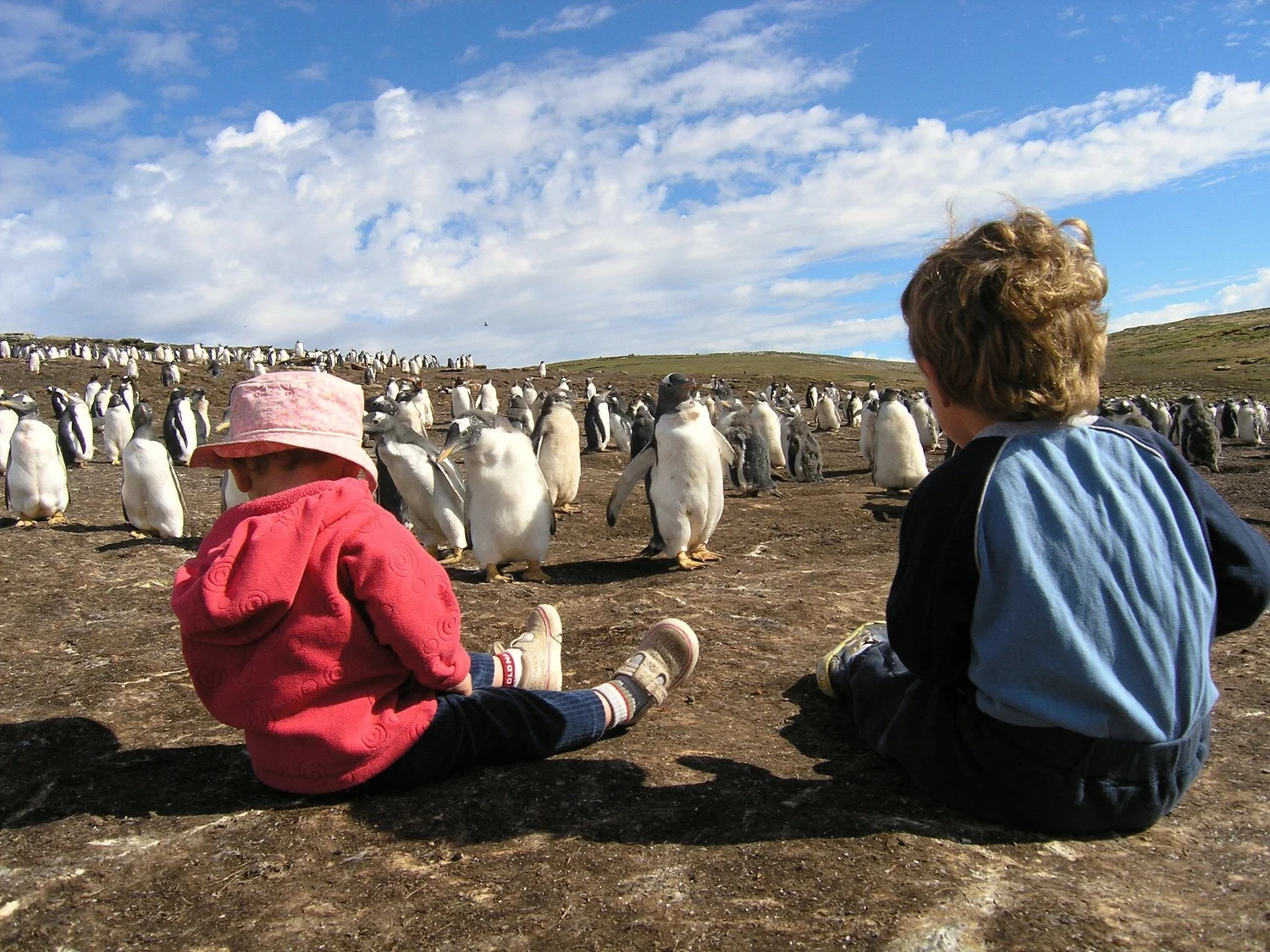
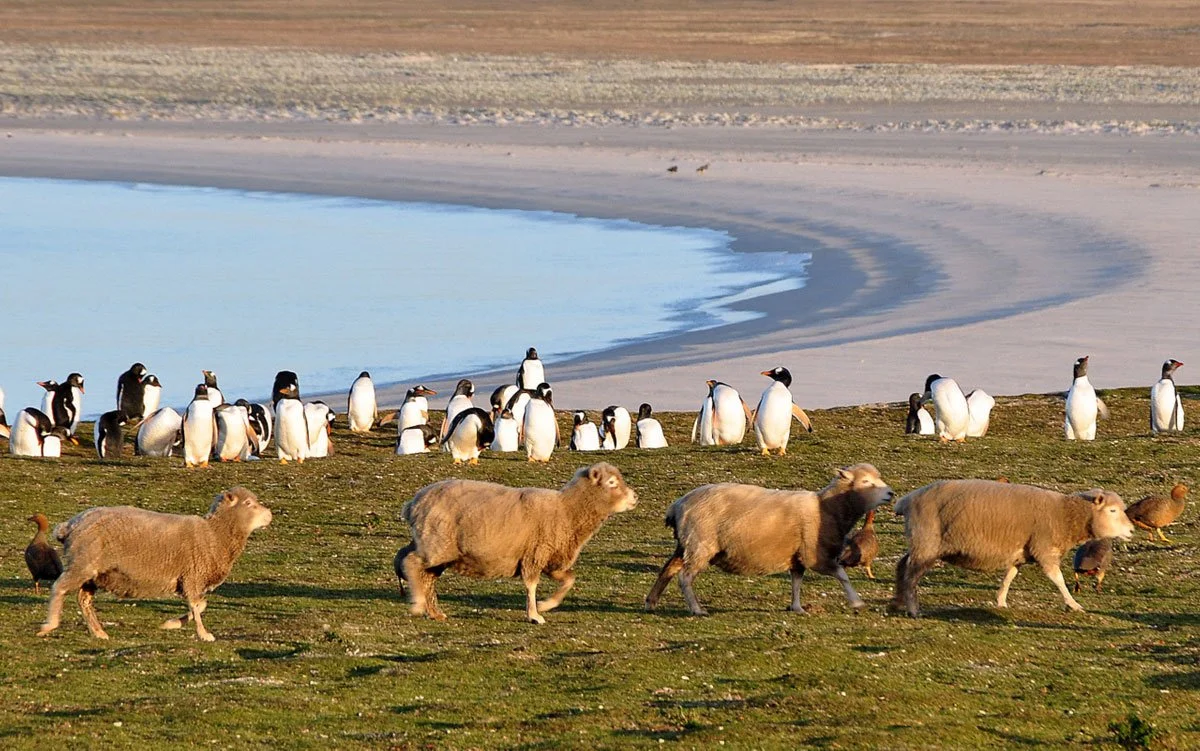
Forty years ago, the Falkland Islands were the scene of a war between Britain and Argentina over sovereignty. Today, they are home to one million penguins, countless rare birds, and seals. Today, the islands' permanent residents are predominantly of British descent, and the economy is primarily based on sheep and oil. Here, you can witness how humans and animals live in peaceful coexistence, respecting each other.
Below, we'll tell you what you can expect to see in the Falkland Islands, divided into three sections: animals, history, and local life.
1. Five species of penguins and rare birds
credit: oranatravel.com
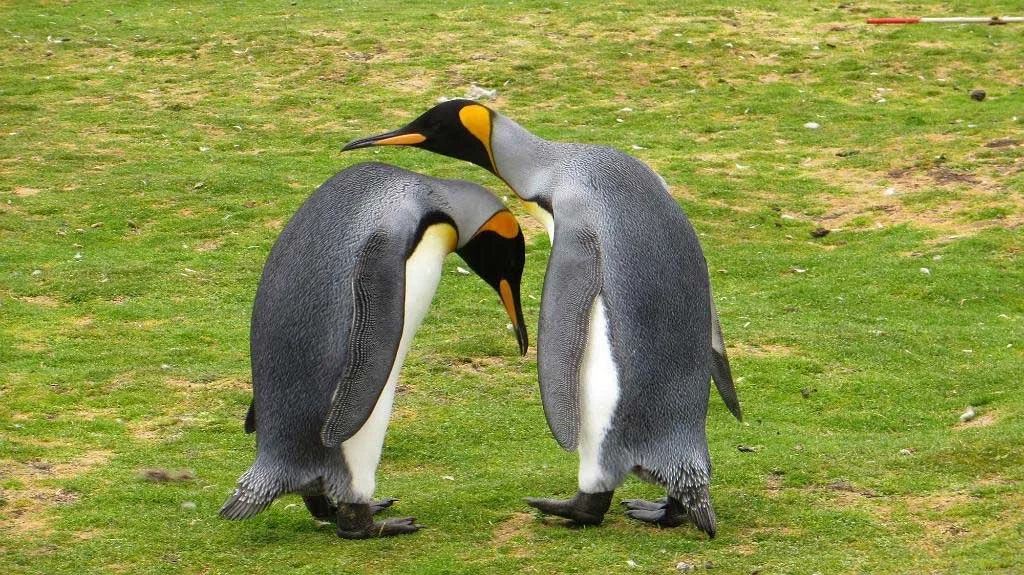
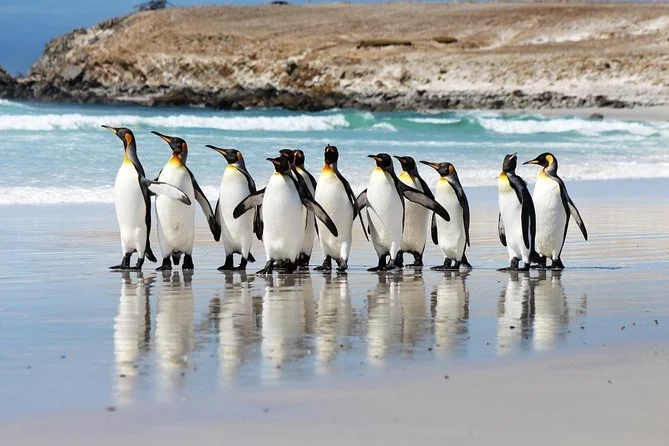
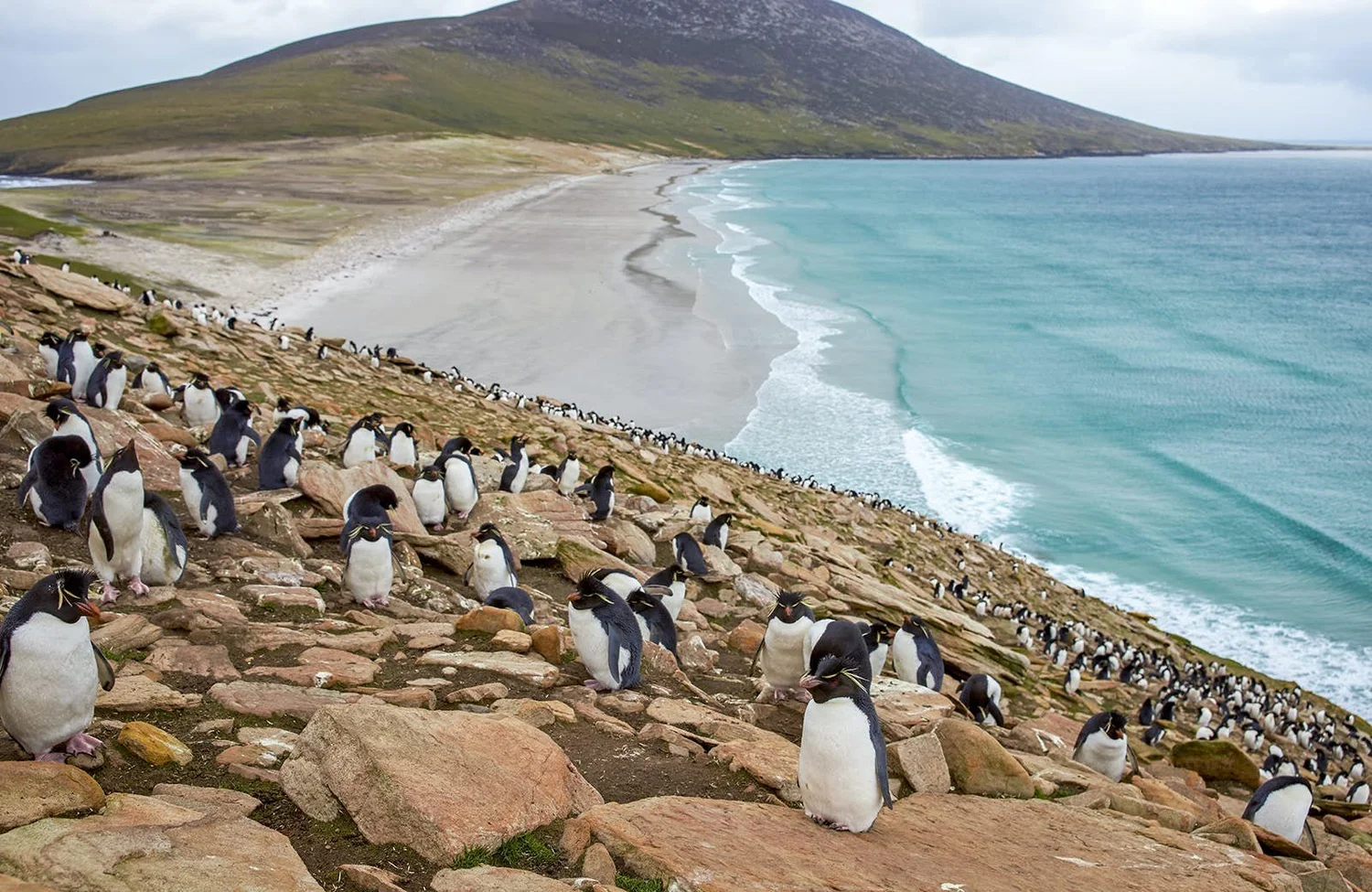
If you're a penguin enthusiast, the Falkland Islands will definitely satisfy your curiosity. There are 17 penguin species worldwide, and a trip to the Falkland Islands offers the opportunity to spot five: the Magellanic, Southern Rockhopper, Macaroni, Gentoo, and King Penguin.
credit: viator.com
These little cuties can be found at various cruise ship landing points on both the east and west coasts, including Saunders Island, Carcass Island, Bleaker Island, New Island, Weddell Island, and West Point Island. If time permits, during your visit to Stanley, take a jeep tour to Volunteer Point to spot the 1,000 king penguins that visit the East Falklands each year.

credit: bradtguides.com
The Falklands' rich fauna can be glimpsed elsewhere. For example, Sea Lion Island, located southeast of the archipelago, is home to the world's largest concentration of southern elephant seals, with up to 2,000 seals gathering during the breeding season in October. It's also a great place to observe orcas and the soaring striated caracara. And if you keep a close eye, you might stumble upon the Falklands' unique Cocksbill's wren.
2. Economy and History
credit: navalpost.com
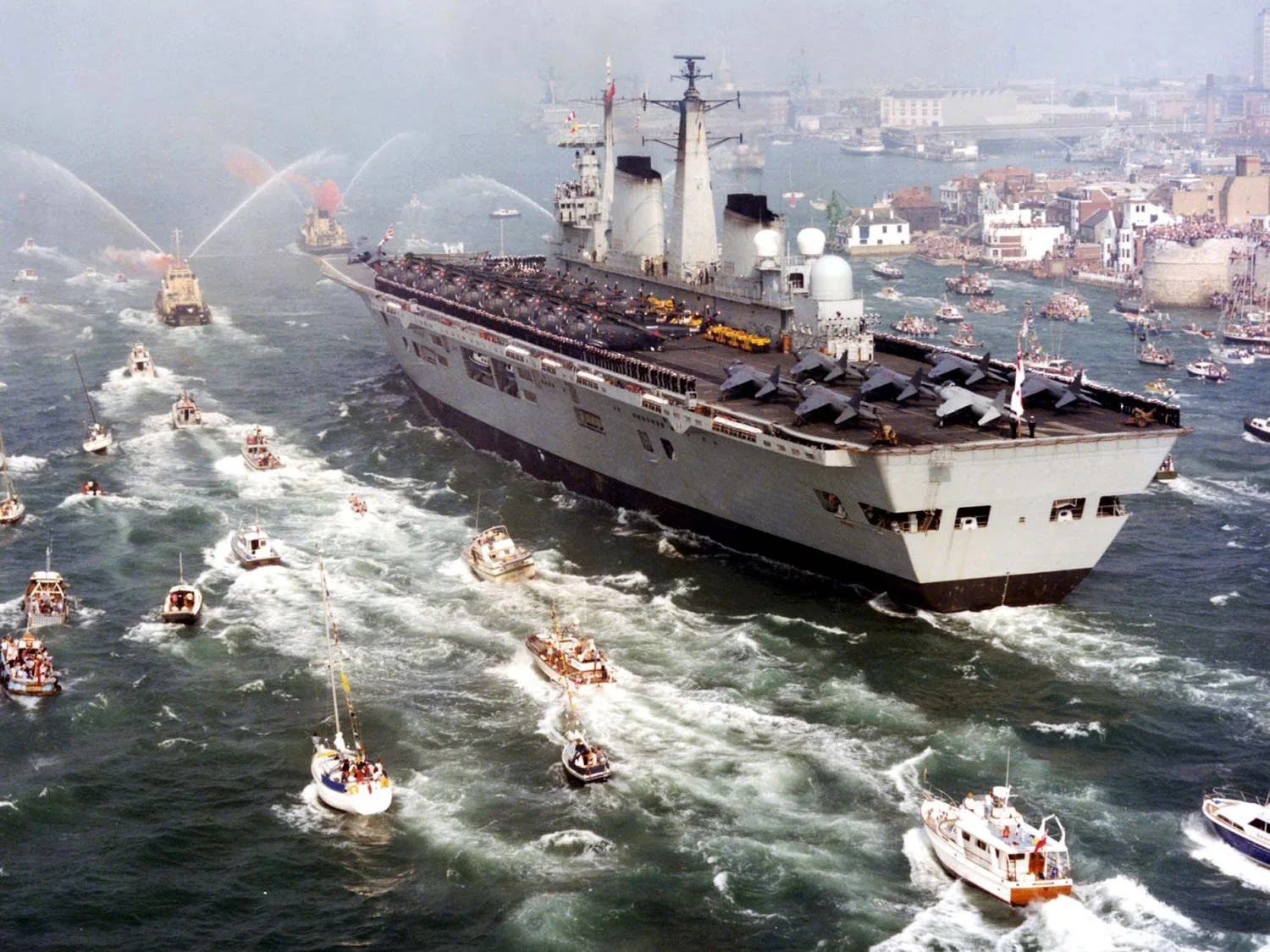
Throughout the history of Antarctic exploration, dating back to the last century, the Falklands Islands, not only the site of the world-famous Falklands War of 1982, but also a major hub for whaling and offshore fishing. Furthermore, the Falklands once served as a shipping transshipment and repair station, generating significant wealth. Although their importance has since declined with the opening of the Panama Canal, the islands' large sheep population has provided a vital economic boost, and recent oil exploration in the surrounding waters has also generated significant interest.

creit: coinworld.com
Cruise ships visiting the Falkland Islands typically spend half a day to a full day in Stanley, the capital. Strolling the streets, you'll find British-inspired elements everywhere: red telephone booths, a Victorian police station, and the world's southernmost cathedral. Coin collectors can also exchange Falkland Islands pounds for British pounds at a 1:1 exchange rate.

credit: commons.wikimedia.org
The Dockyard Museum is a must-see for visitors seeking to learn about the history of the Falkland Islands. It showcases not only historical materials related to the 1982 Falklands War, but also everyday objects and historical materials related to the ocean, flora, fauna, and geology. Despite only being open for eight years, the museum's rich collection continues to attract visitors.
3. Pure living atmosphere
credit: modernfarmer.com
The Falkland Islands have a population of fewer than 3,000, about two-thirds of whom live in the capital. Their economy is simple, relying primarily on fishing, oil, and wool exports. Consequently, not only do every household know each other, but almost every resident is a slash representative: when the Antarctic tourist season begins, any cruise ship docking will be greeted by any family with a car; when the off-season arrives, everyone returns to their respective jobs.
The island boasts a comprehensive social welfare system, with free primary school and free medical care. University enrollment requires flying to the UK, but tuition is subsidized by the British government. This environment ensures near-unemployment, though a housing shortage somewhat limits immigration opportunities. Only with a secure economy can humans, penguins, sheep, and other animals coexist peacefully in this paradise.
credit: lonelyplanet.com
Day 6 - Day 7
credit: poseidonexpeditions.com/
South Georgia Island sits isolated in the Southern Ocean. It takes at least four and a half days to reach from South America, and two days from the Falkland Islands. Although not part of the Antarctic continent, it is often included in Antarctic double and triple island itineraries.
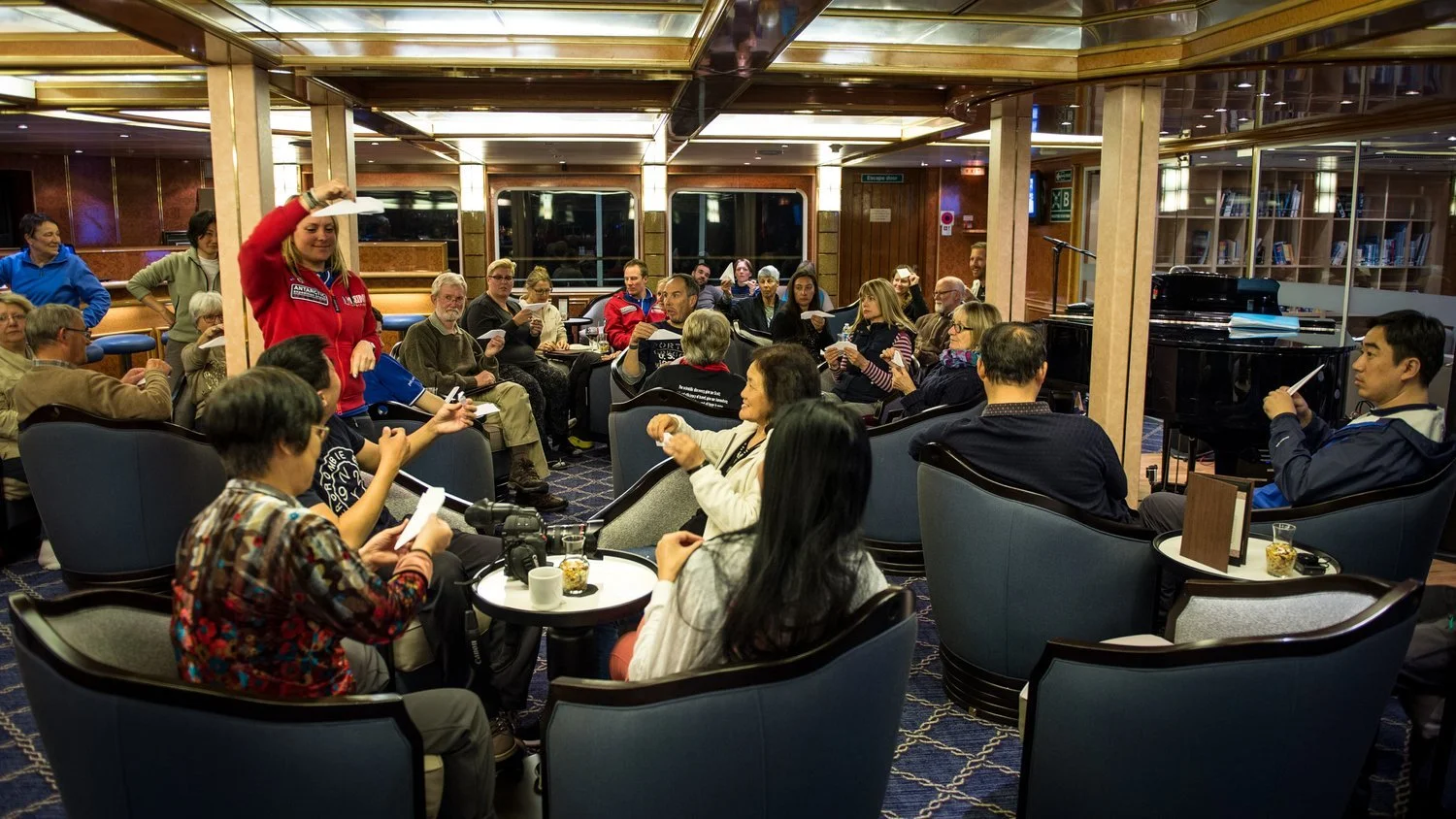
During these four and a half days, the shipping company will use the various facilities on board to hold various lectures and activities, including but not limited to:
Invite experts and scholars from various fields to give lectures on the animal ecology, history, and geography of South Georgia Island
Cocktail party attended by the captain
Group activities (e.g., group quiz and guessing games)
Check whether waterproof pants meet the requirements
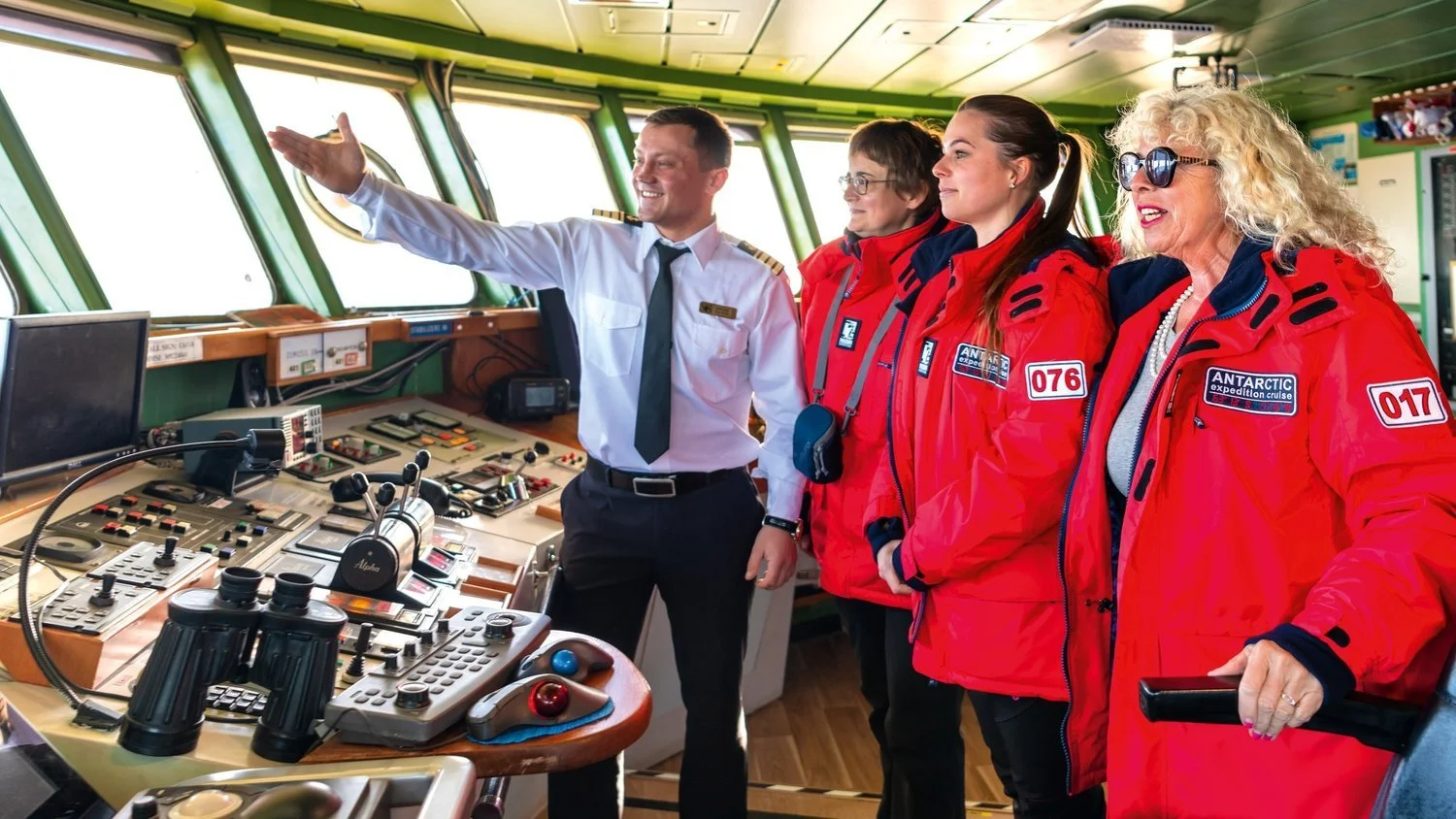
Visit the captain's cabin
credit: poseidonexpeditions.com/
In summary, after choosing a three-island itinerary, whether the Falkland Islands are arranged as the first or last stop of the three-island itinerary, the islands' rich natural ecology, historical buildings, and the simple atmosphere on the streets will leave a deep impression on your Antarctic trip.
7. South Georgia Island (Day 8 - Day 11)
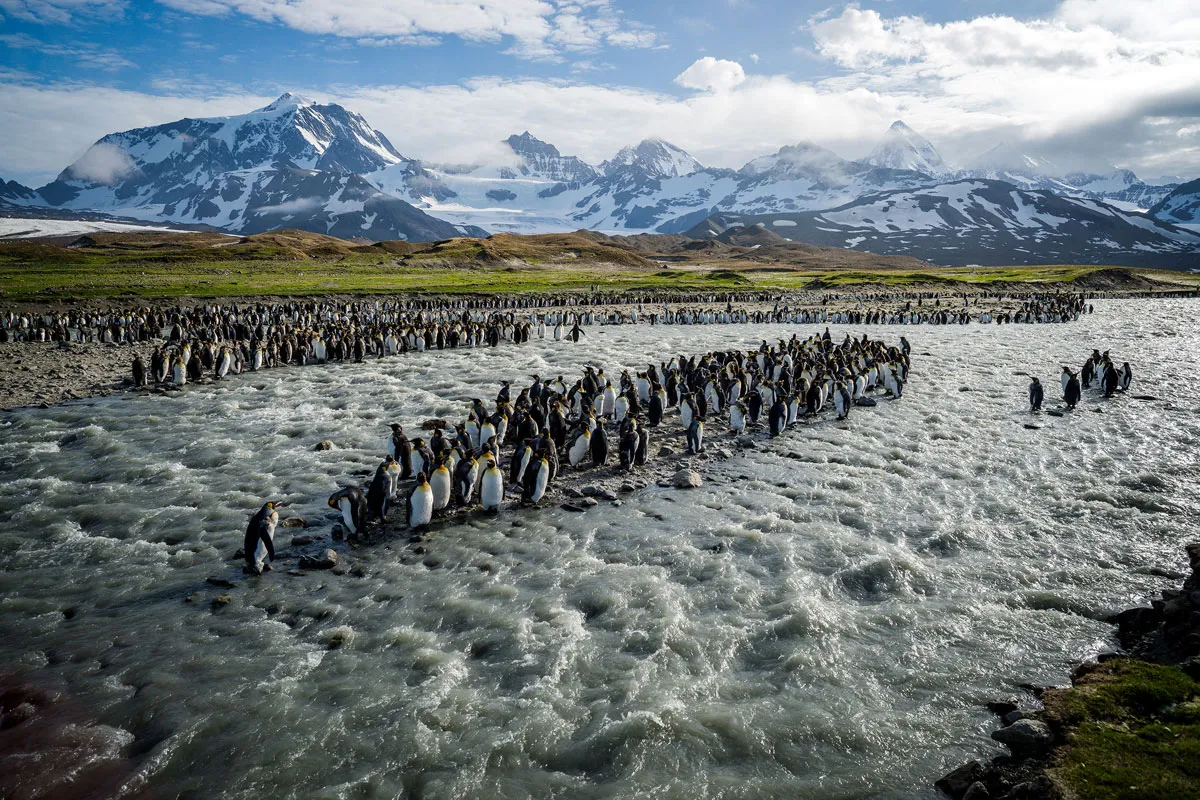
credit: twistedsifter.com/2018/03/king-penguins-on-south-georgia-island
D-Day Schedule
7am wake up
8am Breakfast
10am - 1pm First landing
1pm - 2pm Lunch
2pm - 5pm Second landing
6pm Daily summary and next day's itinerary sharing
7:30pm Dinner
After four and a half days at sea, we finally land on Day 8, one of the highlights of this trip: South Georgia Island. South Georgia is not only a vibrant animal paradise but also a witness to many historical events. Here are three must-see highlights of South Georgia.
1. Magnificent King Penguin Gathering

credit: nomadasaurus.com
When it comes to South Georgia Island, the first thing that comes to mind is the king penguins, a primary reason for most visitors. There are three locations on the island where you can photograph these penguins: St. Andrews Bay, Salisbury Plain, and Gold Harbour. St. Andrews Bay boasts the largest population of the entire island, with at least 150,000. This unique sight is only available here, among the three Antarctic islands.
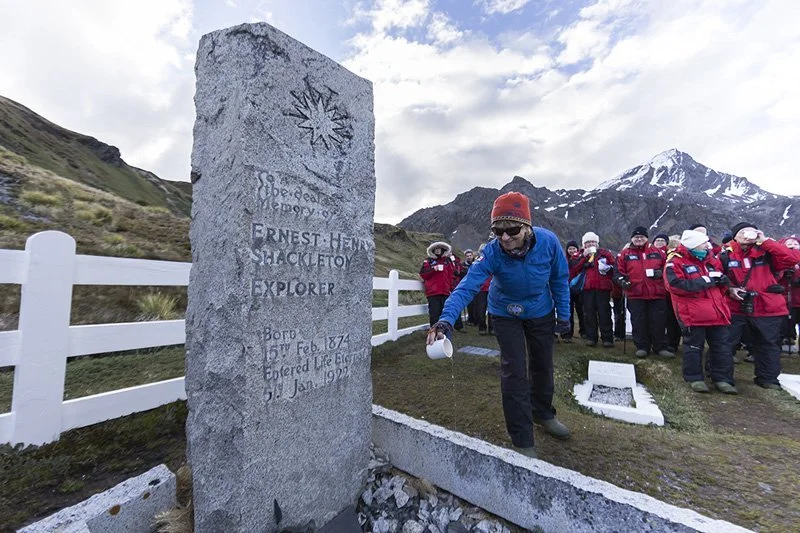
2. Follow in Shackleton's footsteps
credit: discover.oneoceanexpeditions.com
South Georgia Island has two most impressive historical events, the most well-known of which is Sir Ernest Henry Shackleton's Antarctic expedition.
On his third Antarctic expedition, Shackleton's original goal was to cross the Antarctic continent. However, his ship was crushed by ice as it approached Antarctica, forcing him to abandon ship and leave his 22 crew members on Elephant Island near Antarctica. With no other options, he took a gamble and sailed his five-man crew across the treacherous Southern Ocean, 1,300 kilometers, to South Georgia Island in search of help. Their only resources were a lifeboat and the captain's sextant. After 15 days of struggling at sea, they miraculously reached South Georgia Island and, after a 10-day hike, finally reached the whaling station. After three failed attempts to return, Shackleton finally sailed back to Elephant Island on his fourth attempt, thanks to assistance from the Chilean government. He kept his promise and rescued all 22 men who had persevered for 102 days.
To fully experience Sir Shackleton's adventurous spirit, some cruise companies offer "In Shackleton's Footsteps" hiking tours, allowing visitors to walk six kilometers from Fortuna Bay over the mountains to Stromness, and relive the arduous final journey of Sir Shackleton to the whaling station for help.
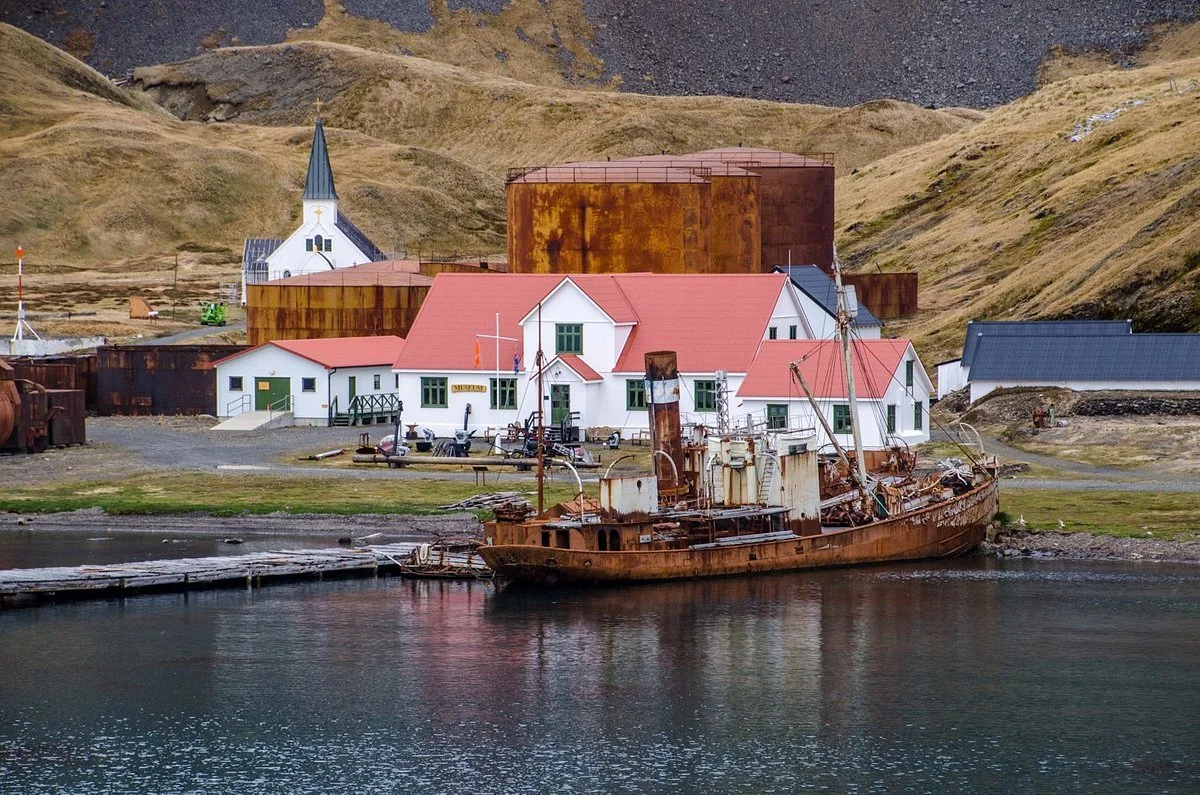
3. Visit Grytviken Museum
credit: tripadvisor.com.tw
The second story about South Georgia Island is a bit sad.
In 1902, a Norwegian explorer discovered a beautiful natural harbor on South Joya Island and named it Grytviken. However, his discovery brought devastation to the surrounding whale population: between 1904 and 1965, 150,000 whales perished in six processing plants on the island. These were used to make cream, soap, cosmetics, and even wartime explosives and rifle lubricants. Including the number of whales processed on ships, the total number of whales killed in this area is estimated to be 1.5 million.
This bloody and unbearable past is recorded in detail in the museum in Grytviken. Thanks to the efforts of many ecologists in recent years, after half a century, we can finally see killer whales and southern right whales again near South Georgia Island.
From the aerial video, you can clearly see the various processing equipment left over from the whale processing factory.
South Georgia Island's travel seasons follow the Antarctic seasons. The biggest difference is that each animal has its own breeding cycle. Below we will use animal ecology (penguins, seals, and albatrosses) as a classification.
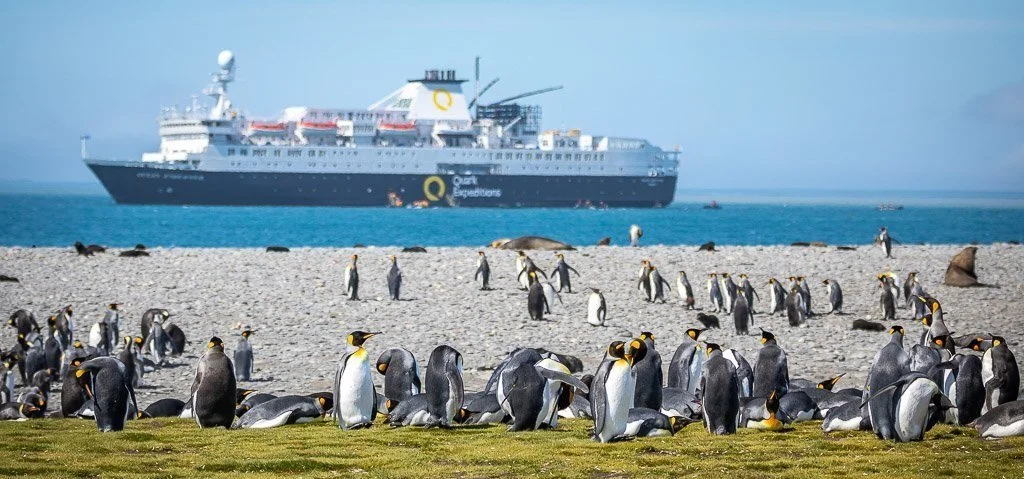
1. King Penguin
credit: passportandpixels.com
Unlike most penguins, which have a distinct incubation period, king penguins' egg-laying season begins in November and continues until March of the following year. Therefore, no matter when you visit South Georgia Island, you'll have the chance to see the fuzzy, kiwi-like chicks and the proud, majestic fathers and mothers.
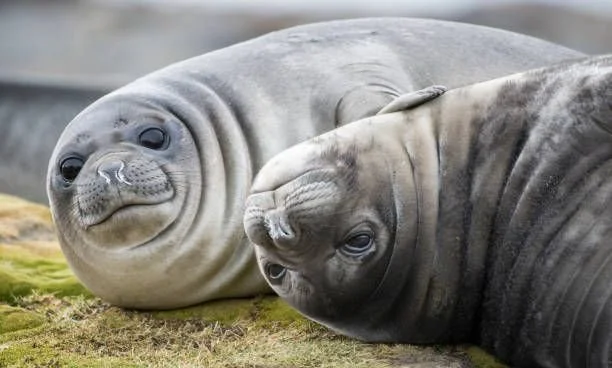
2. Seals
credit: passportandpixels.com
Early in the season, before the females arrive, everything is peaceful. But once the females arrive, the males become hyperactive and prone to runaways, desperate to find a mate. Seal numbers peak in the main breeding areas by mid-November.
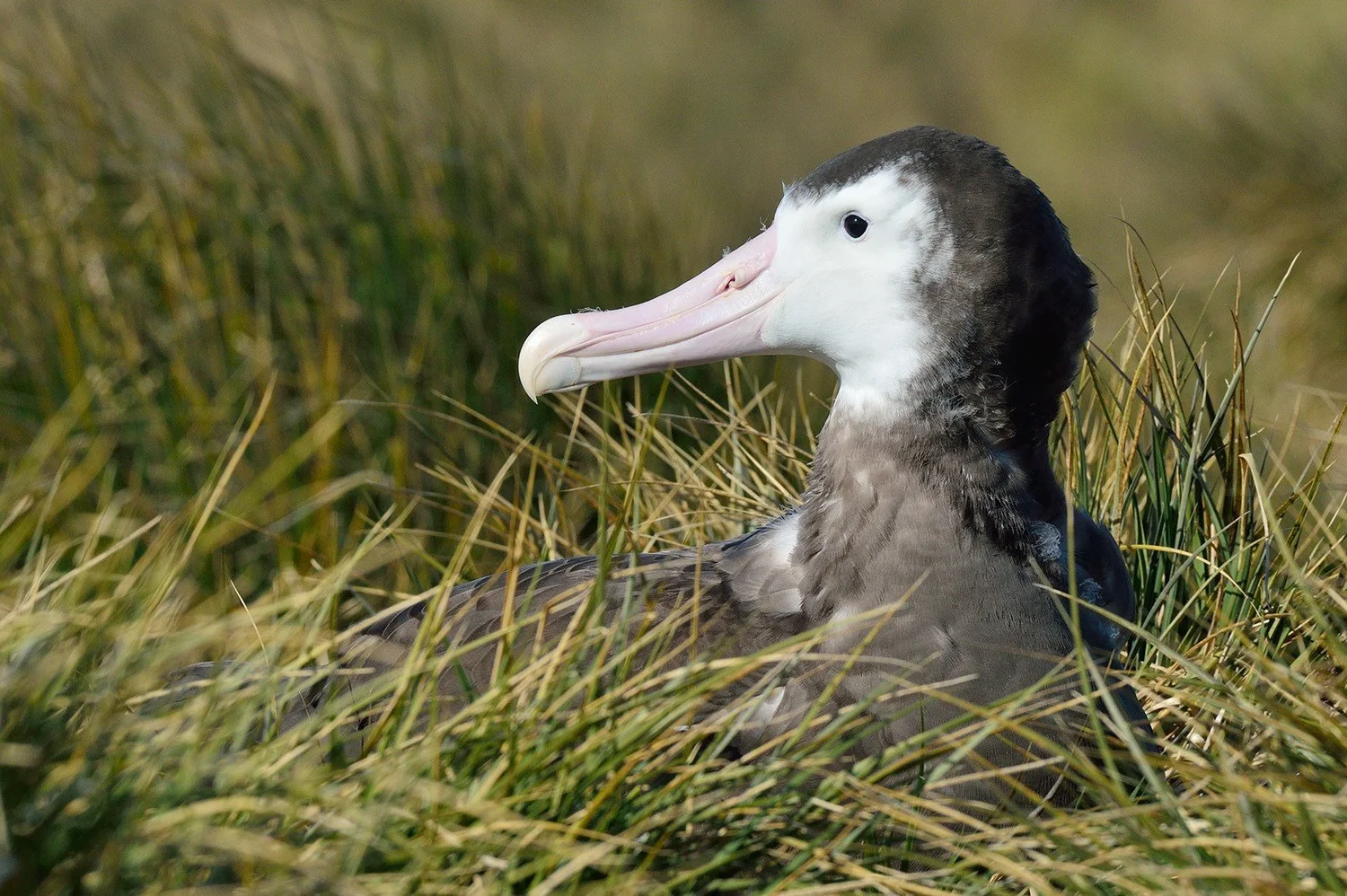
3. Albatross
credit: oceanwide-expeditions.com
If you're an albatross enthusiast, remember Prion Island. It's one of the few remaining colonies of wandering albatrosses and a breeding beach for fur seals, earning it a special protection zone. The area is closed from November 20th to January 7th of the following year, so be sure to visit after January 7th. At the end of the season, albatross chicks are preparing to hatch for the coming winter.
8. Day at Sea (Day 12 - Day 13)
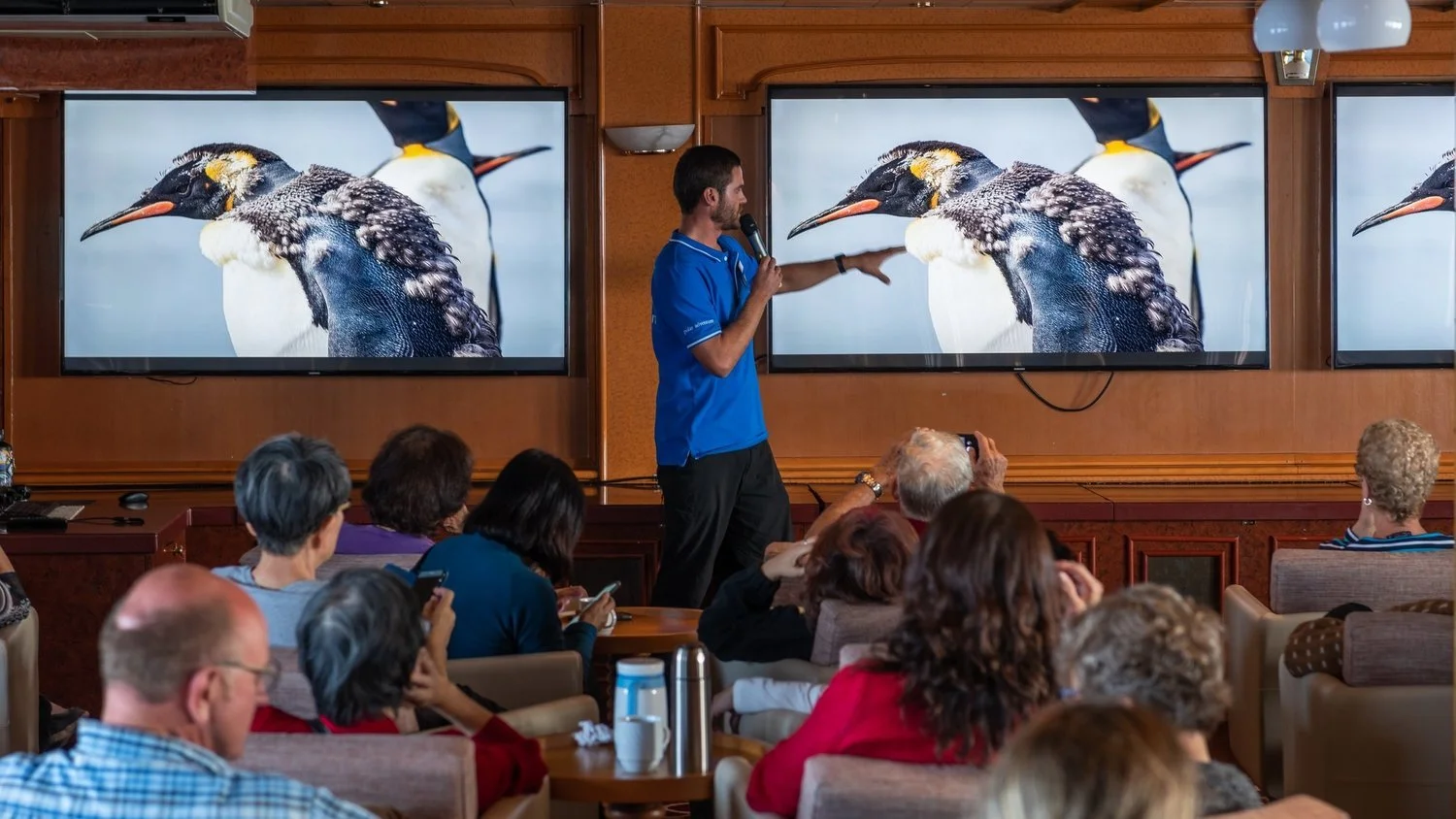
After three days of landing on South Georgia Island, we embarked on a two-day cruise through the Scotia Sea. Because parts of the Scotia Sea overlap with the Drake Passage, rough seas are unavoidable. In addition to pre-packed seasickness medication, the ship's doctor also provided medication to alleviate seasickness symptoms.
credit: poseidonexpeditions.com/
During these two days, the theme lectures on the ship will focus on the Antarctic continent, where we will land next. We will also invite expedition members or experts with professional knowledge to give lectures, so that all passengers can have a comprehensive understanding of the animal ecology, geography, and historical stories of the Antarctic continent.
In addition, the day at sea is also a time to enjoy the delicious food on board.


credit: quarkexpeditions & atlasoceanvoyages & Silversea
Breakfast and lunch are usually buffet-style, while dinner is à la carte, with complimentary drinks. Meals tend to be Western, primarily because over half of Antarctic tourists are from Europe and the United States. Ships typically have a paid bar area, with unlimited coffee and tea available 24 hours a day. Light refreshments are also available during the afternoon and during parties.
9. Antarctica (Day 14 - Day 17)
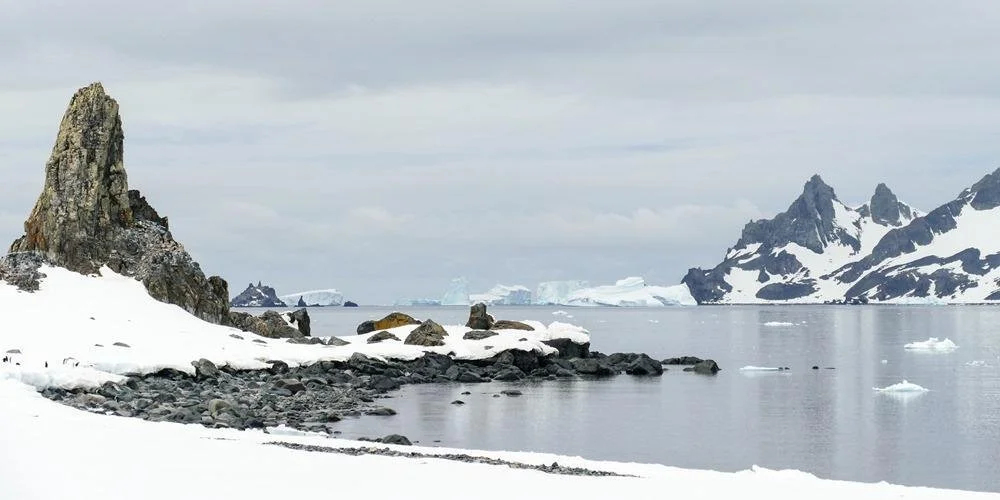
Half Moon Island credit: cruisemapper.com
After deducting the embarkation day, disembarkation day, and the time spent crossing the Drake Passage, the remaining four days will be the highlight of the single-island itinerary - the landing day.
D-Day Schedule
7am wake up
8am Breakfast
10am - 1pm First landing
1pm - 2pm Lunch
2pm - 5pm Second landing
6pm Daily summary and next day's itinerary sharing
7:30pm Dinner

credit: en.mercopress.com
There are over 200 landing sites in Antarctica. The captain and expedition leader will make the most appropriate arrangements based on current sea and weather conditions, with personal safety in mind. During landing, passengers will be divided into evenly spaced groups of 100 people each, undergoing both landing and sea cruises. Each landing lasts approximately 1 to 1.5 hours. Cruise ships with a passenger capacity of 200 or fewer can expect approximately 1 to 1.5 hours of landing time; ships with a passenger capacity of around 100 can expect 2 to 3 hours.
Here are some common penguins, whales, and seals you might see on a single island trip:
1. Adélie Penguin
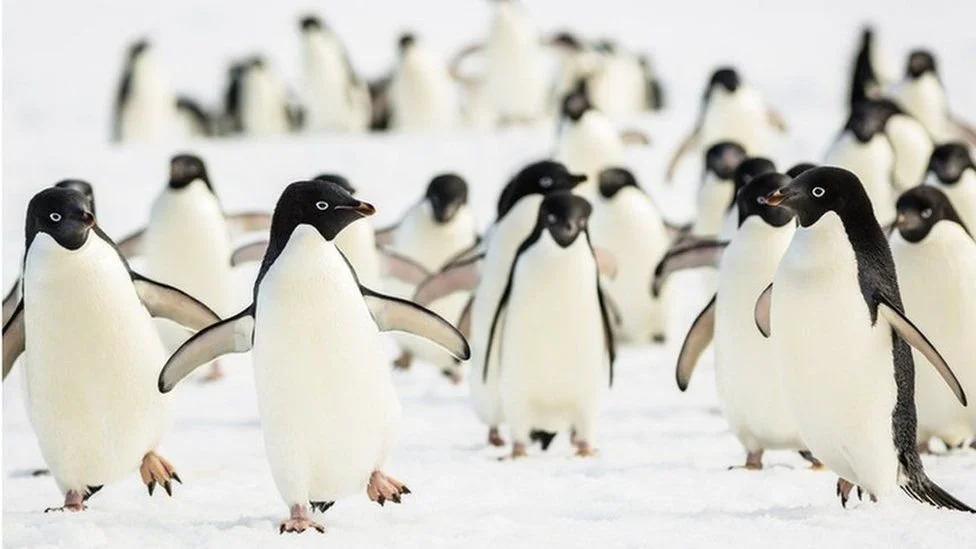
Adelie penguins credit: bbc.co.uk
Remember the penguins with Cuban accents in the movie "Happy Feet"? They were inspired by the Adélie penguin. As the world's most widespread penguin species, the Adélie penguin is also one of the three most common penguin species on the Antarctic Peninsula. It's primarily found along the Antarctic coast and on nearby islands, and can be spotted on a typical Antarctic island route. It's one of the few species with prominent tail feathers, and its most distinctive feature is the white ring around its eye.
2. Chinstrap
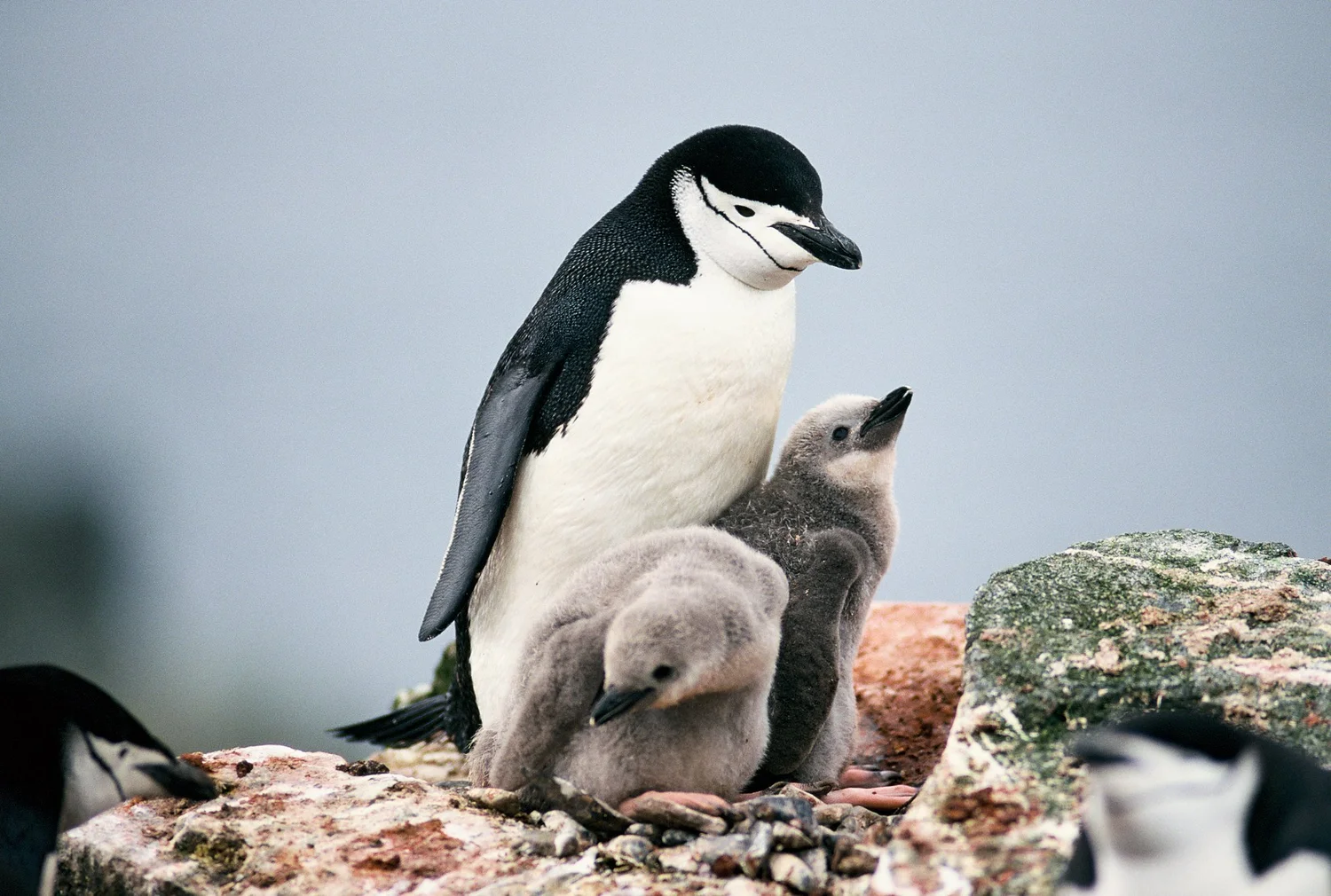
Chinstrap Penguin credit: grida.no
During the single-island trip, the Chinstrap penguin was the most frequently mentioned of the three species of penguins by the expedition members, and one of them was definitely the Chinstrap. It is the same species as the Adélie penguin and shares many similarities, such as its tail feathers and its black and white body. It can also be found on South Georgia Island. How can you confirm it's a Chinstrap penguin? Look for a black stripe below its neck and a solid black beak.
3. Gentoo Penguin
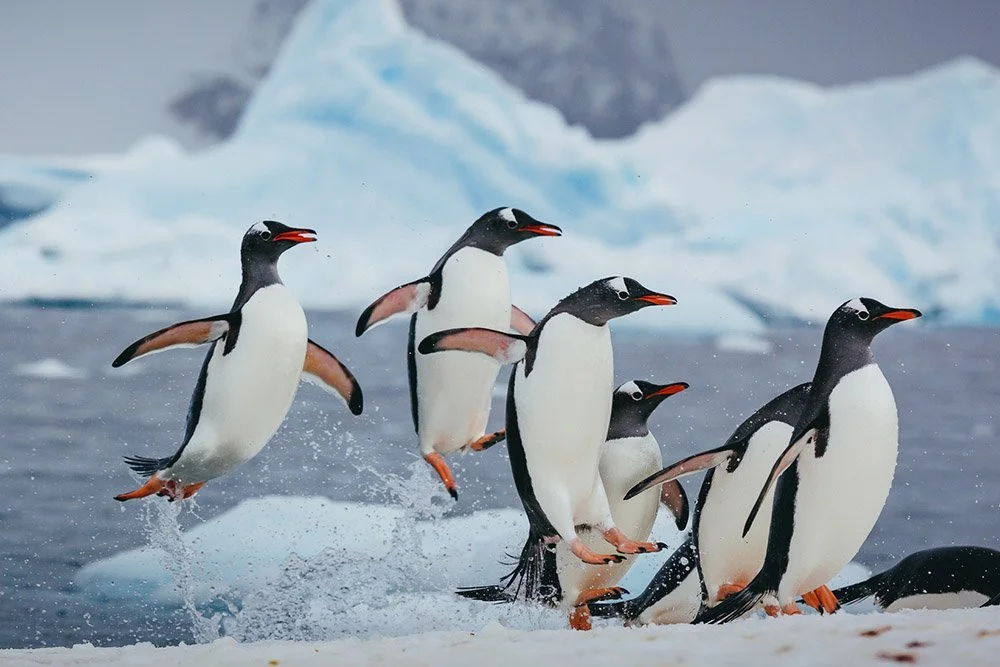
Gentoo penguin credit: news.stonybrook.edu/
The Gentoo, second only to the Emperor and King penguins in height, is the third most common penguin species in Antarctica. How can you distinguish it from its cousins, the Adélie and Chinstrap? Look for its bright red bill and the white eyebrow-like patch above its eyes.
4. Humpback Whale
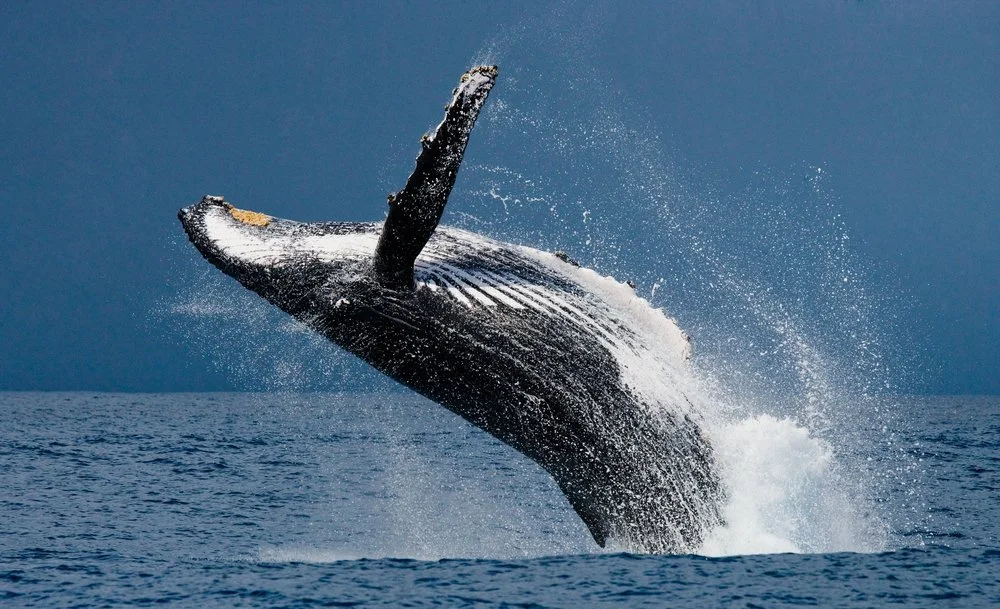
credit: chimuadventures.com
Humpback whales, capable of consuming over 3,000 pounds of food daily, are a frequent sight on Antarctic itineraries. While humpback whales are known to suddenly breach the surface, during Antarctic Zodiac cruises, the only visible sight is their recognizable tail, often until the expedition team spots them and directs passengers to follow their gaze.
5. Crab-eater seal
credit: www.greenpeace.org
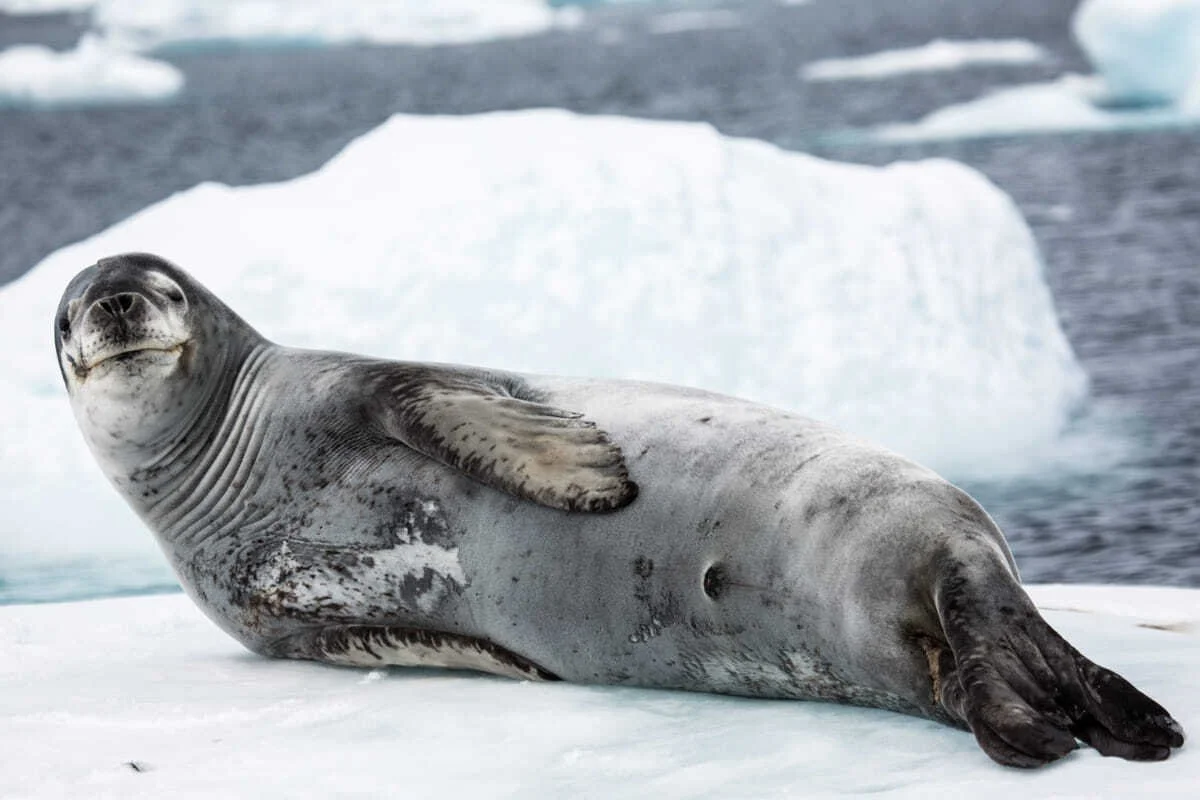
Crabier seals, which don't eat crabs, typically forage at night, with krill being their primary food. Even their specially shaped teeth are designed to prevent krill from escaping easily. Besides krill, they also enjoy eating fish. They are commonly found in the waters surrounding Antarctica.
The following are some common free and paid outdoor activities on various Antarctic itineraries:
1. Canoe (paid)
credit: polar-latitudes.com/kayaking-programs/
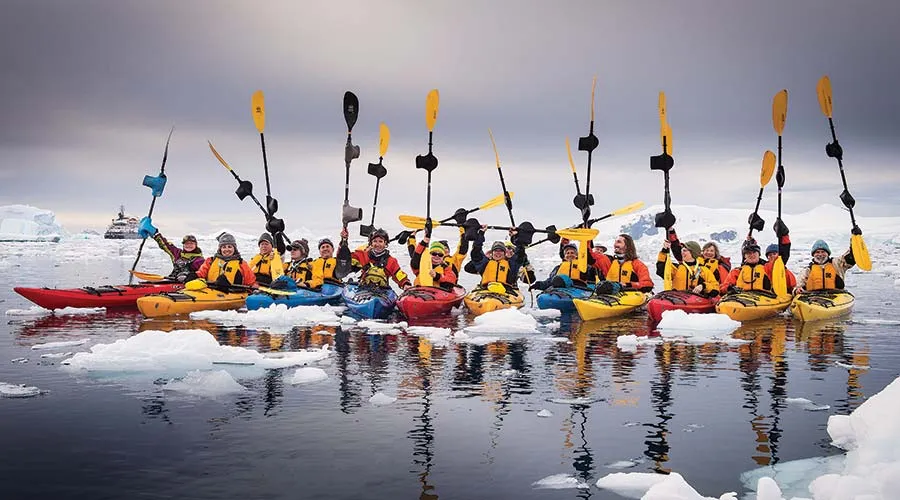
Besides practical landings and ocean cruises in Zodiacs, kayaking offers the ultimate in autonomy during your Antarctic adventure. Kayaking across the Southern Ocean not only offers near-zero-degree waters, but also allows you to get up close and personal with animals—from sea lions nestling on the ice to whales suddenly leaping from the surface.
2. SUP (paid)
credit: kokatat.com
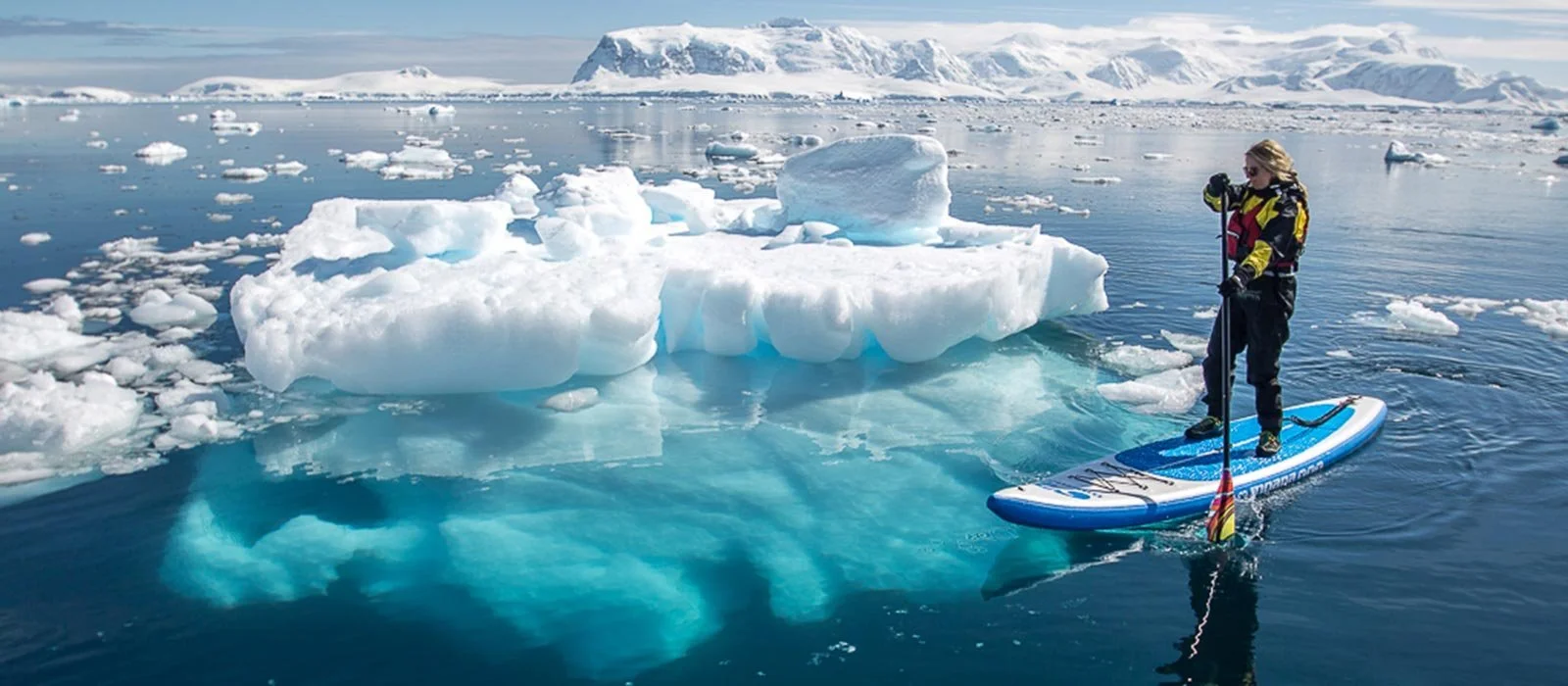
Want to freeze time in the present moment while floating in the Southern Ocean? Originating in Hawaii, SUP (Stand Up Paddling) is a Chinese term for "stand-up paddling." With just a board, you can safely paddle in various positions, standing, sitting, lying, or even lying down. Experience the currents of the Southern Ocean up close, and witness the delightful sight of whales leaping from the surface.
3. Diving (free)
credit: quarkexpeditions.com
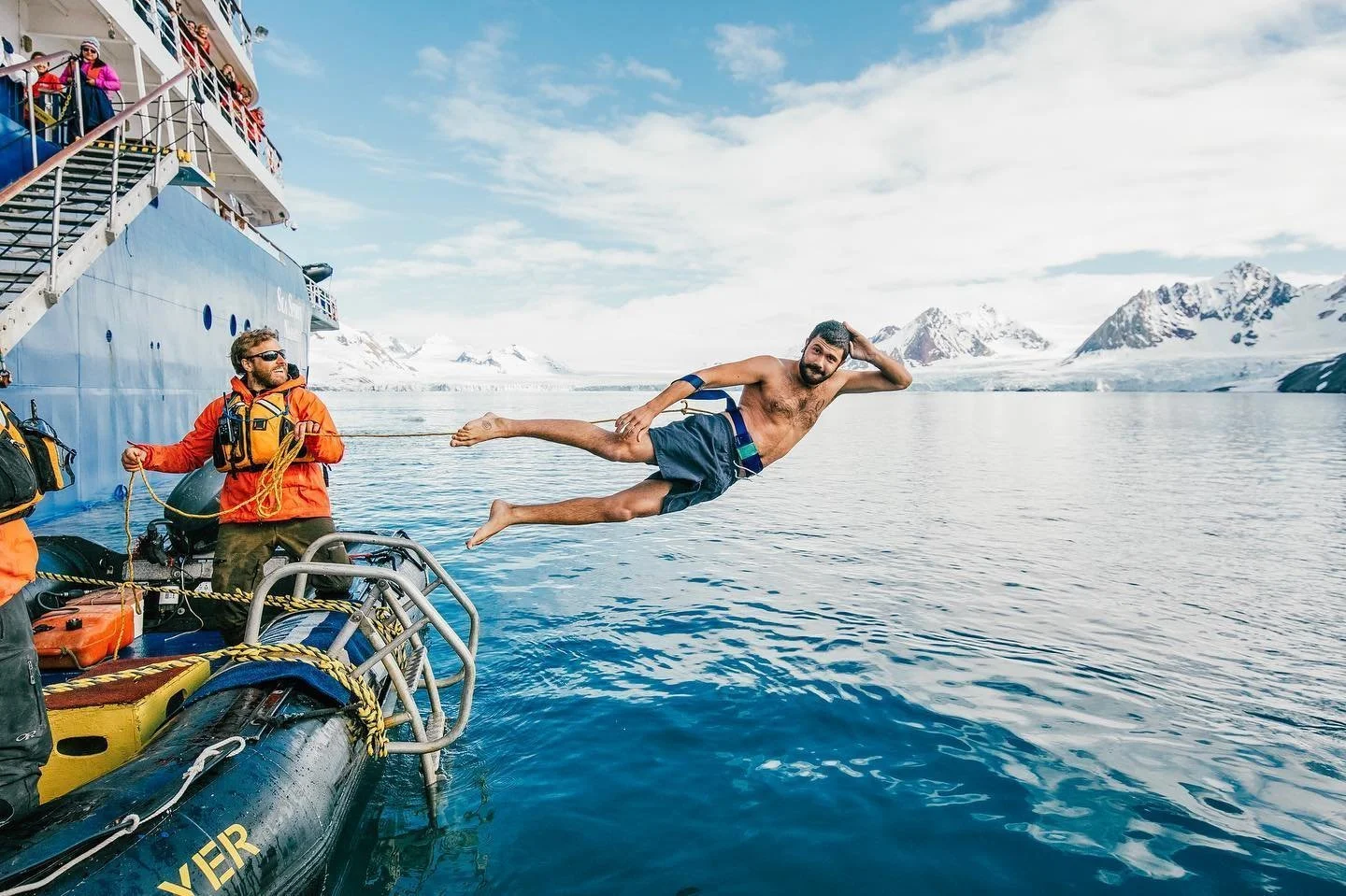
The most enjoyable Antarctic national sport is polar plunge.
Whether landing, boarding a Zodiac, or admiring the Antarctic scenery from the deck, you always have to wrap yourself up tightly. However, when lining up for the dive, no matter how nervous you are and want to back out, the cheers of your peers have a magical power that sends your adrenaline soaring, driving everyone to plunge into the freezing Southern Ocean without hesitation, feeling the exhilarating sensation of thousands of needles piercing your body.
4. Camping (paid)

credit: Youtuber - Kara and Nate
Unlike canoeing, diving, and SUP, camping takes place after dinner. Expedition members are invited to bring their sleeping bags and set off on a rubber dinghy, enjoying an unforgettable night in the tranquility of Antarctica.
Passengers camping will typically need to carve out their desired snow bed within a designated safe area, using local materials and placing their sleeping bag and cushions. Some guests wonder, "Will camping in Antarctica be cold?" Don't worry, sleeping bags are surprisingly warm, and you can even use your jacket over them or as a makeshift pillow.
The following are some common landing points and highlights for a single island itinerary:
1. Portal Point
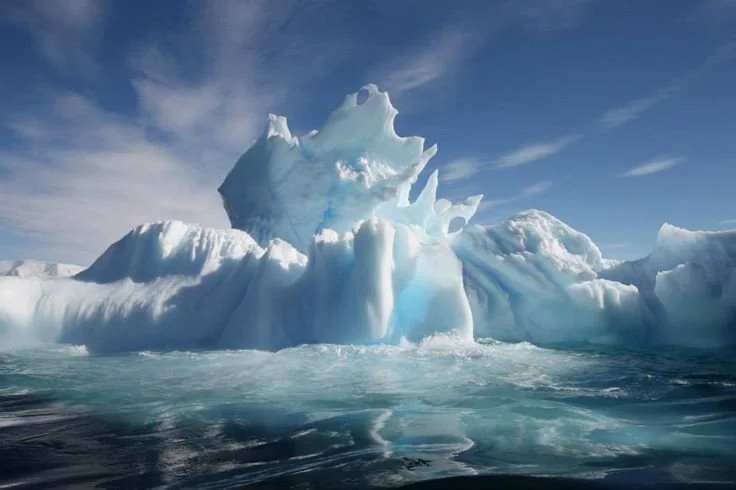
Located at Graham Land, the northernmost tip of the Antarctic Peninsula, it's the gateway to the Reclus Peninsula. The surrounding mountains, glaciers, and ice tongues extending to sea level create stunning scenery.
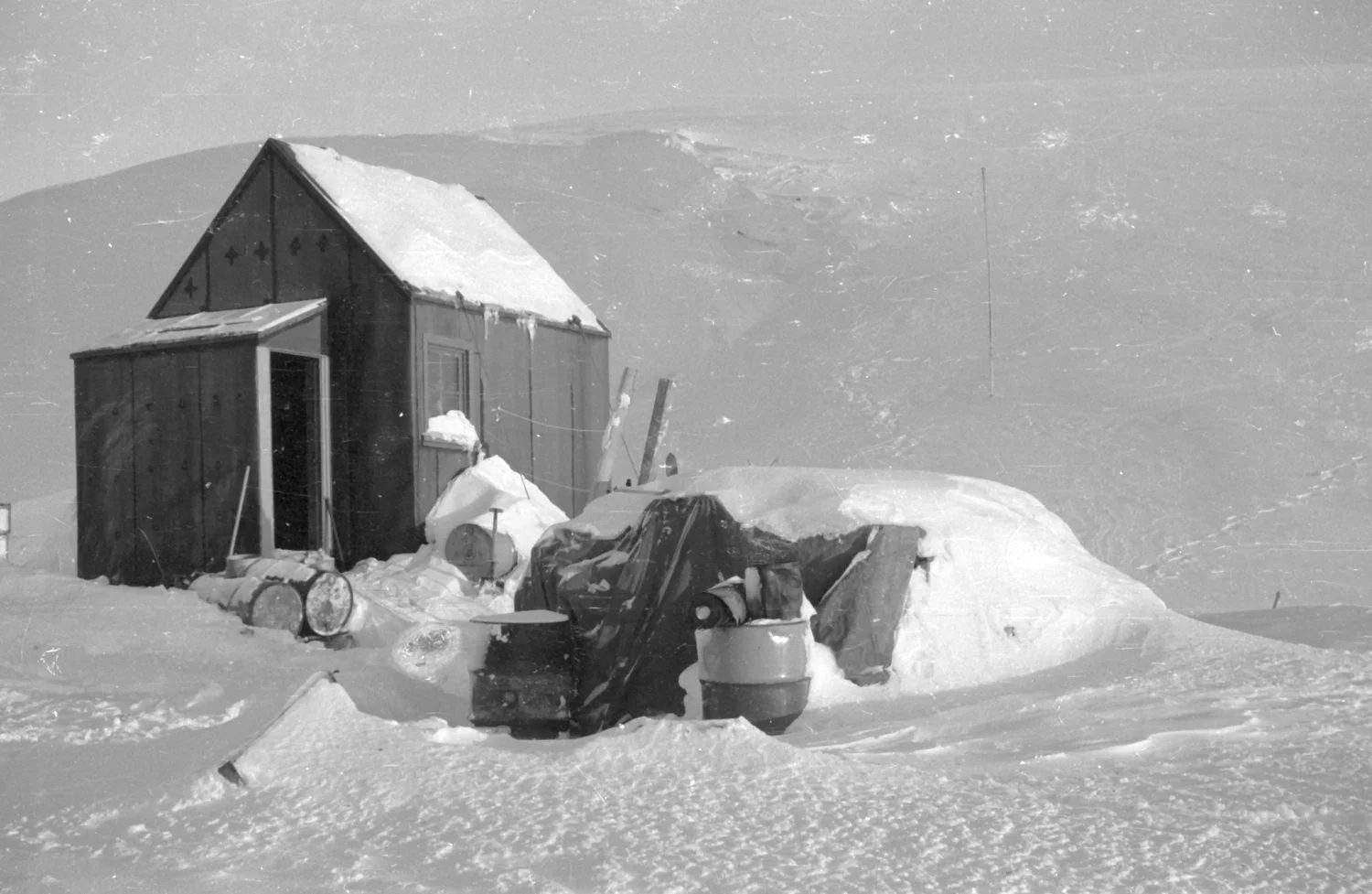
Cape Reclus Refuge credit: bas.ac.uk
In 1956, the British built a refuge hut here so that they could use the nearby snow slopes to enter the peninsula plateau. However, the hut was dismantled in 1997 and taken to the Falkland Islands. It is currently stored in a museum in the capital of the Falkland Islands. (Related articles:The Three Antarctic Islands (Part 2): Falkland Islands: What are the other tourist attractions besides war?)
2. Graham Passage

credit: fineartamerica.com
It's located north of Charlotte Bay, the northern tip of the Antarctic Peninsula, a channel known for its narrow glacial channels. The nearby Murray Islands were listed as part of the Antarctic Peninsula when a Belgian explorer mapped it in 1898.
3. Cierva Cove
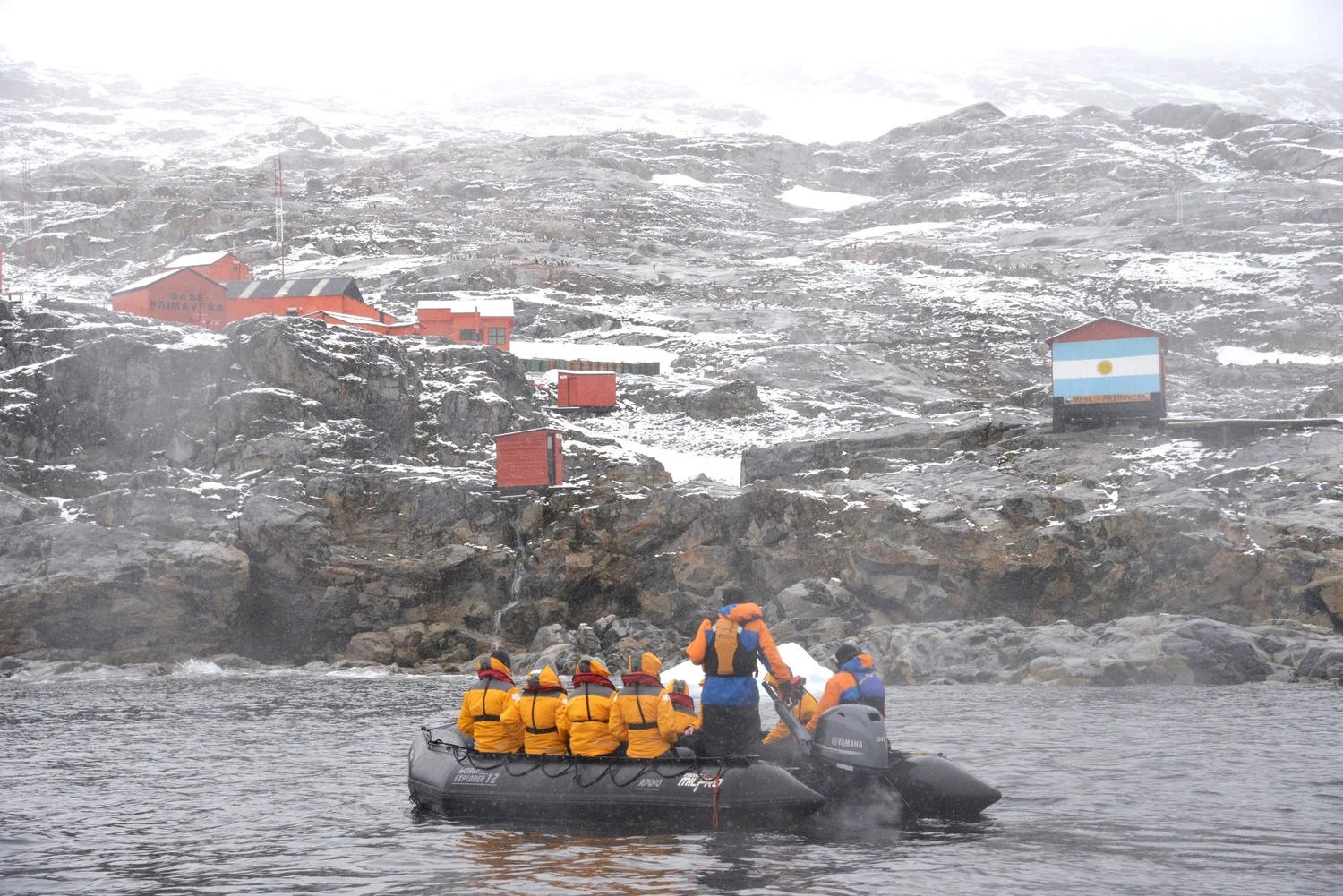
Summer research station at Sylva Bay
Sylva Bay is famous for its stunning icebergs and snowy scenery. Located within a protected area at the northern tip of the Antarctic Peninsula, its beauty is often viewed through Zodiac cruises. Nearby is the Argentinian summer research station (Primavera). The waters here are rich in krill, attracting a vibrant wildlife, including penguins, seals, and whales.
4. Mikkelsen Harbour
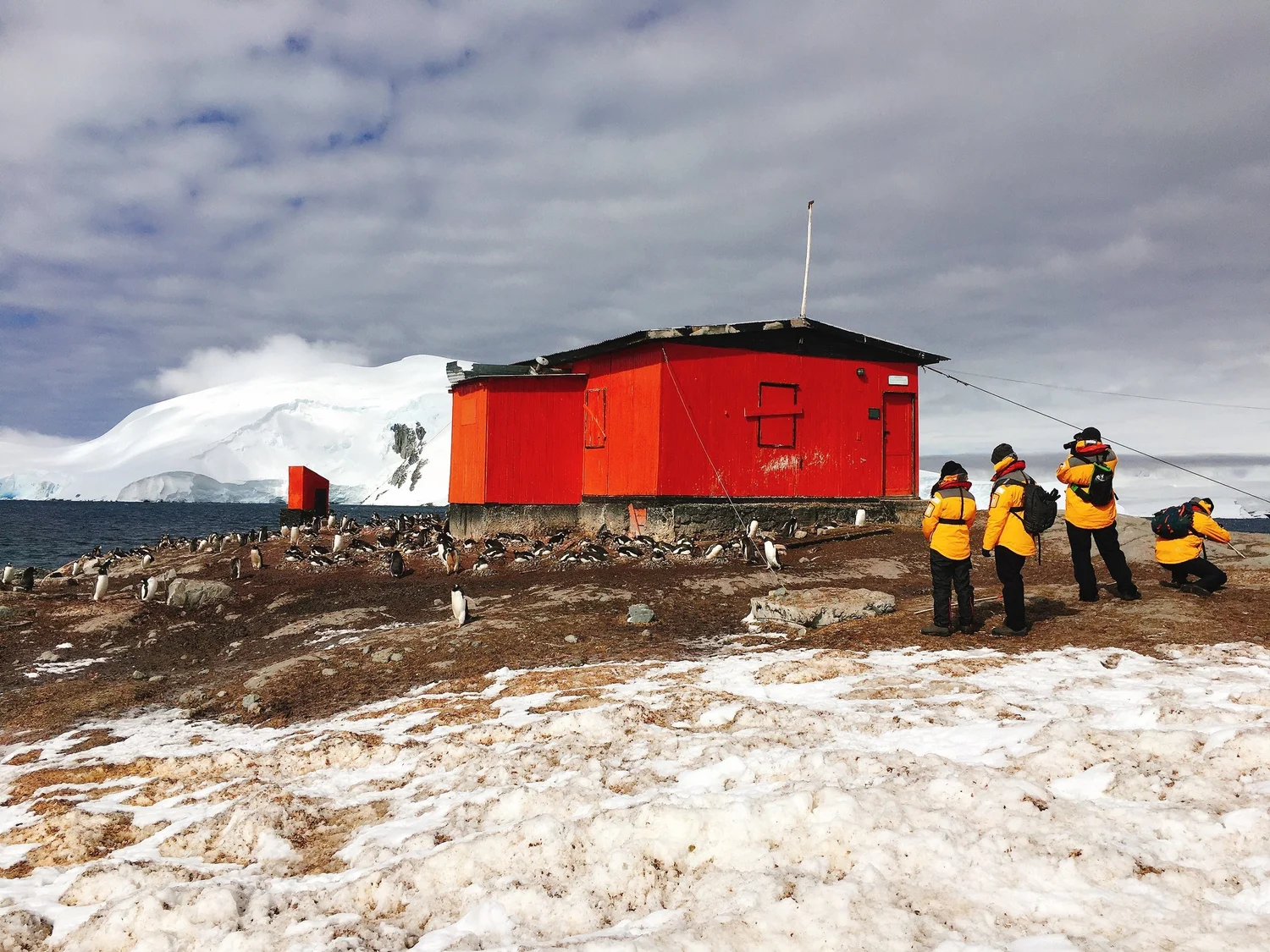
The locked cottage at Port Mickelson
In fact, this is a small island, and there is no "port" as we think of it. In the 19th century, whalers used it to dock their ships for whaling factories, so besides seeing many Gentoo (Related articles:What are the most common penguins on Antarctic single island itineraries?) and several Weald seals, as well as shipwrecks and whale bones from whaling. There's also a locked hut.
5. Neko Harbour
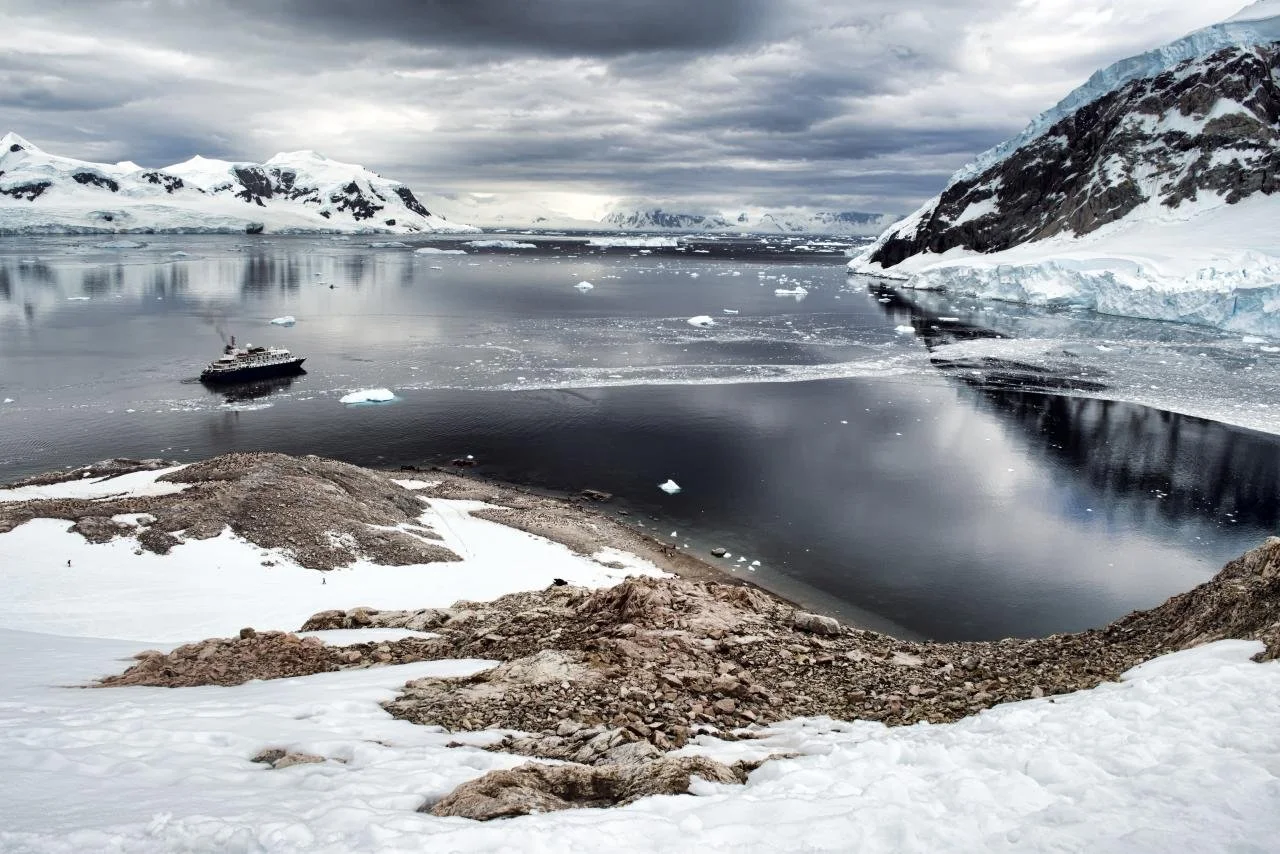
A view of the Port of Neck (credit: en.wikipedia.org)
After landing in Neko Harbour, walk along the ridge, then you'll see a spectacular view of Andvord Bay. The Harbour was named after the "Neko", a whale factory ship that used to call here frequently.
6. Danco Island
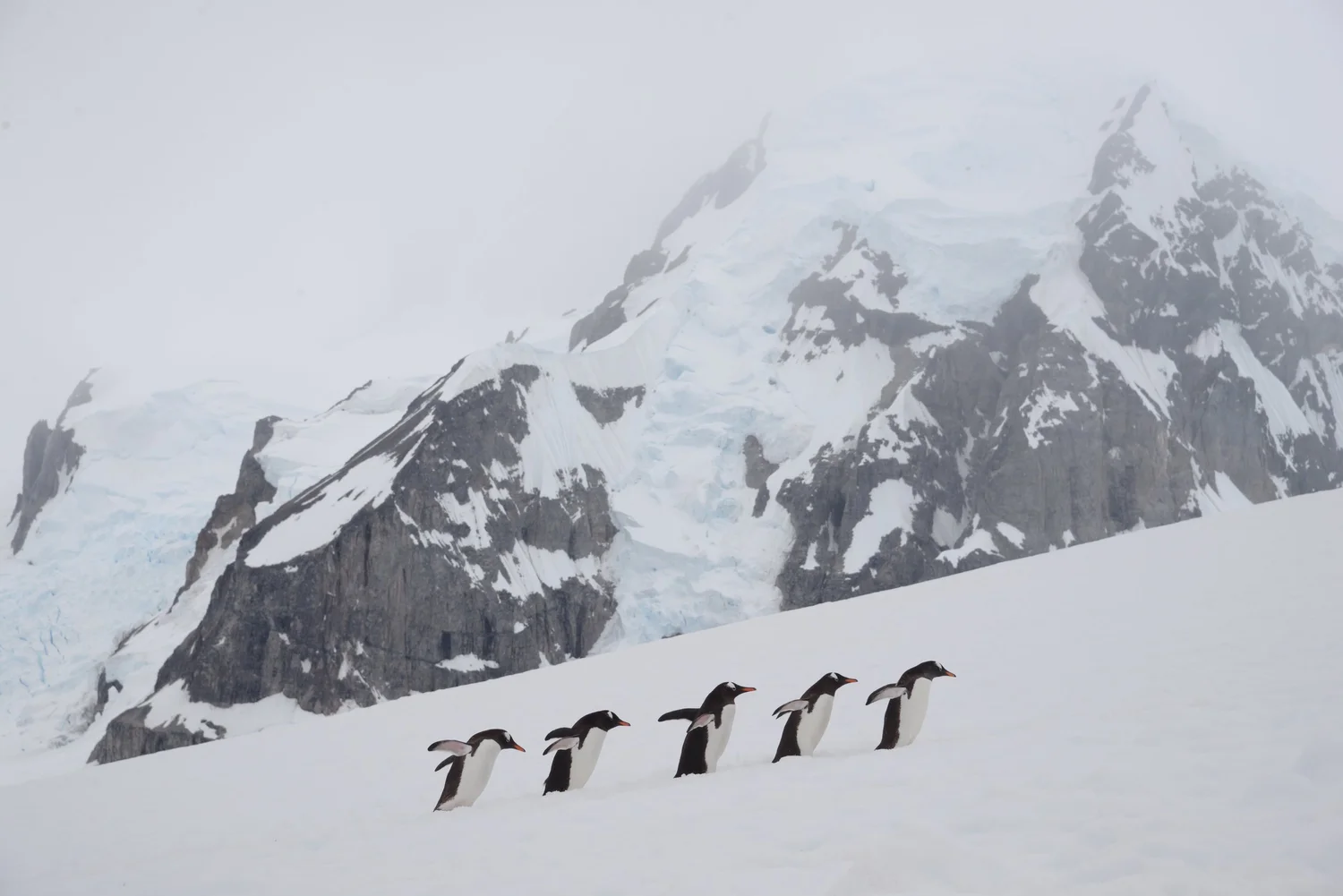
Gentoo's sprint
Because there are many glacial crevasses in the surrounding mountains, the view from the top is spectacular. Danko Island is home to 1,600 pairs of Gentoo penguins (Related articles:What are the most common penguins on Antarctic single island itineraries?), they typically breed on higher slopes.
7. Lemaire Channel
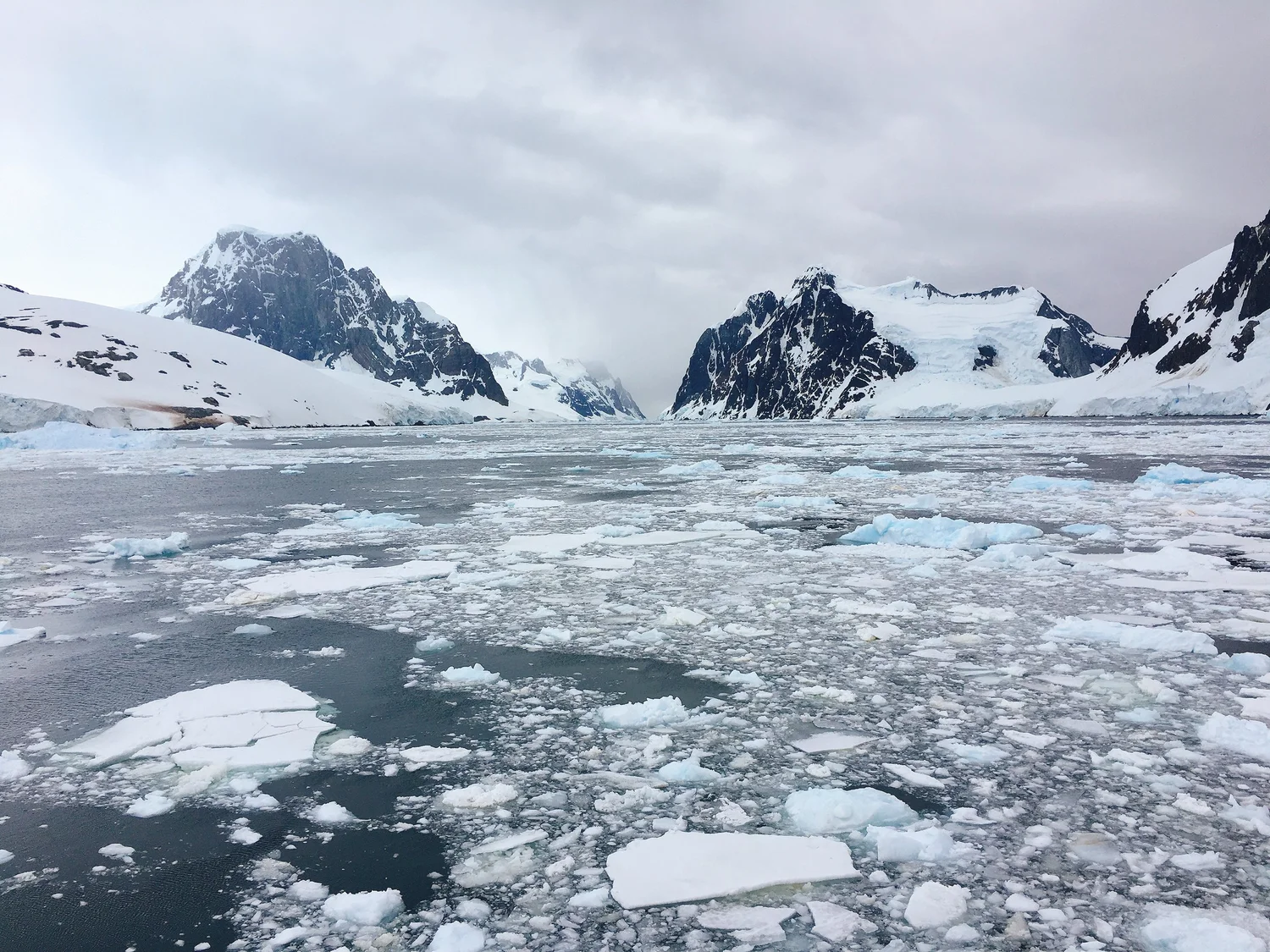
Classic scene of the Antarctic Peninsula: Lima Channel
The Lima Channel, 11 kilometers long, 1.6 kilometers wide, and just 800 meters at its narrowest point, is one of Antarctica's most iconic locations and the filming location for the video featured on our website's homepage. For this reason, it's been dubbed the "Click Channel" by National Geographic. The perpetually snow-capped peaks lining the channel contrast beautifully with the vast ice floes that crisscross the channel. Every time we sail through this stretch of water, the sound of shutter clicks fills the deck. Furthermore, there's a high chance of sighting orcas or humpback whales while sailing through this area.
8. Port Charcot
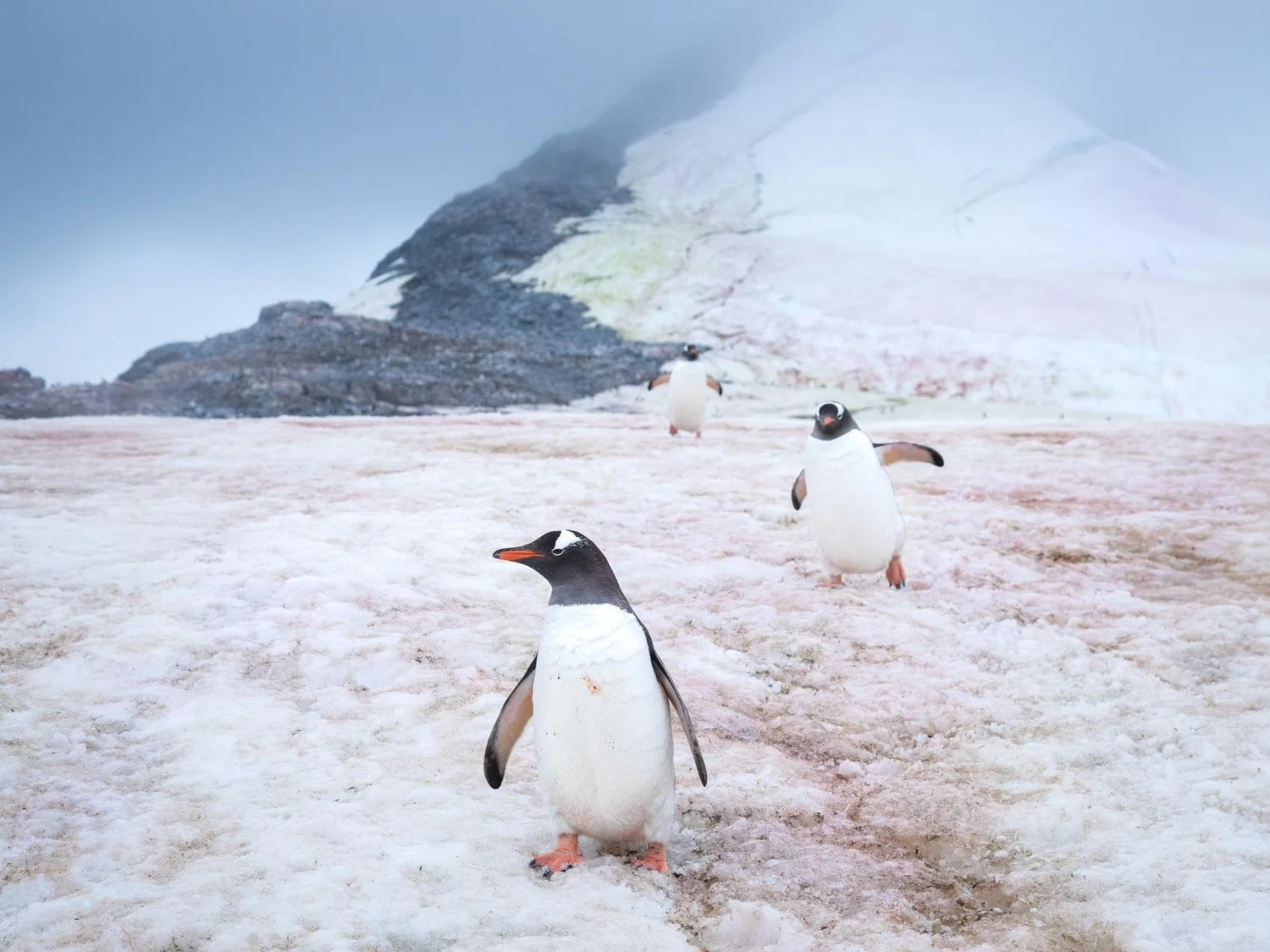
A view of Charcot Harbor. Credit: natgeomedia.com
In addition to seeing many Gentoo (related articles:What are the most common penguins on Antarctic single island itineraries?), and a phenomenon that worries scientists: the thriving growth of red algae. Red algae can damage ice sheets worldwide, causing them to melt faster, leading to the gradual appearance of red snow and brown ice in Antarctica.
9. Deception Island
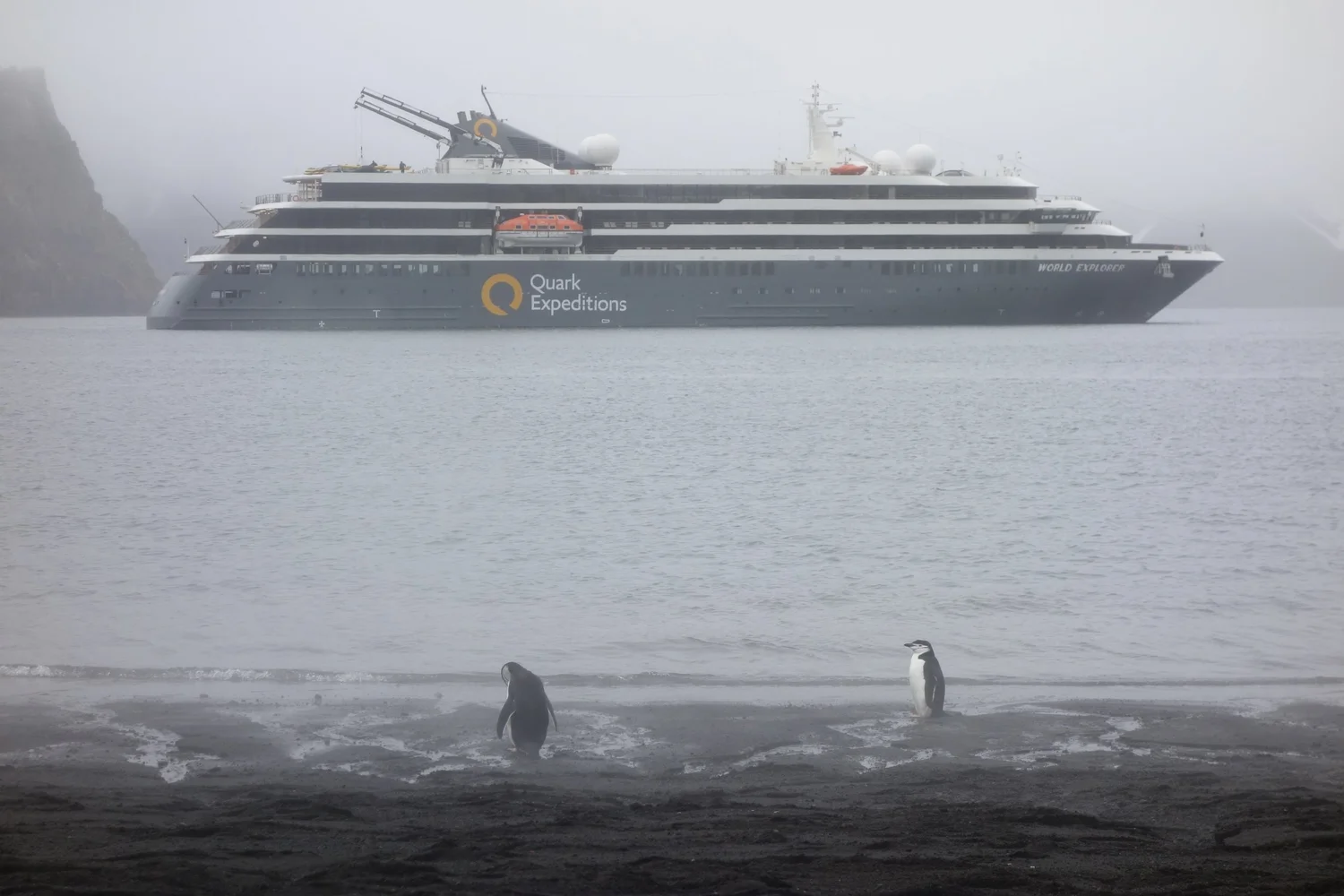
Steamy Deception Island
Deception Island, also known as Deception Island, has a landing point at Baily Head, located on the southeastern tip of the island. This is home to the largest population of Chinstrap penguins on the Antarctic Peninsula. According to data, there were over 50,000 pairs of Chinstrap penguins in the area in 2011. (Related articles:What are the most common penguins on Antarctic single island itineraries?) are reproducing, but their numbers are declining over time.
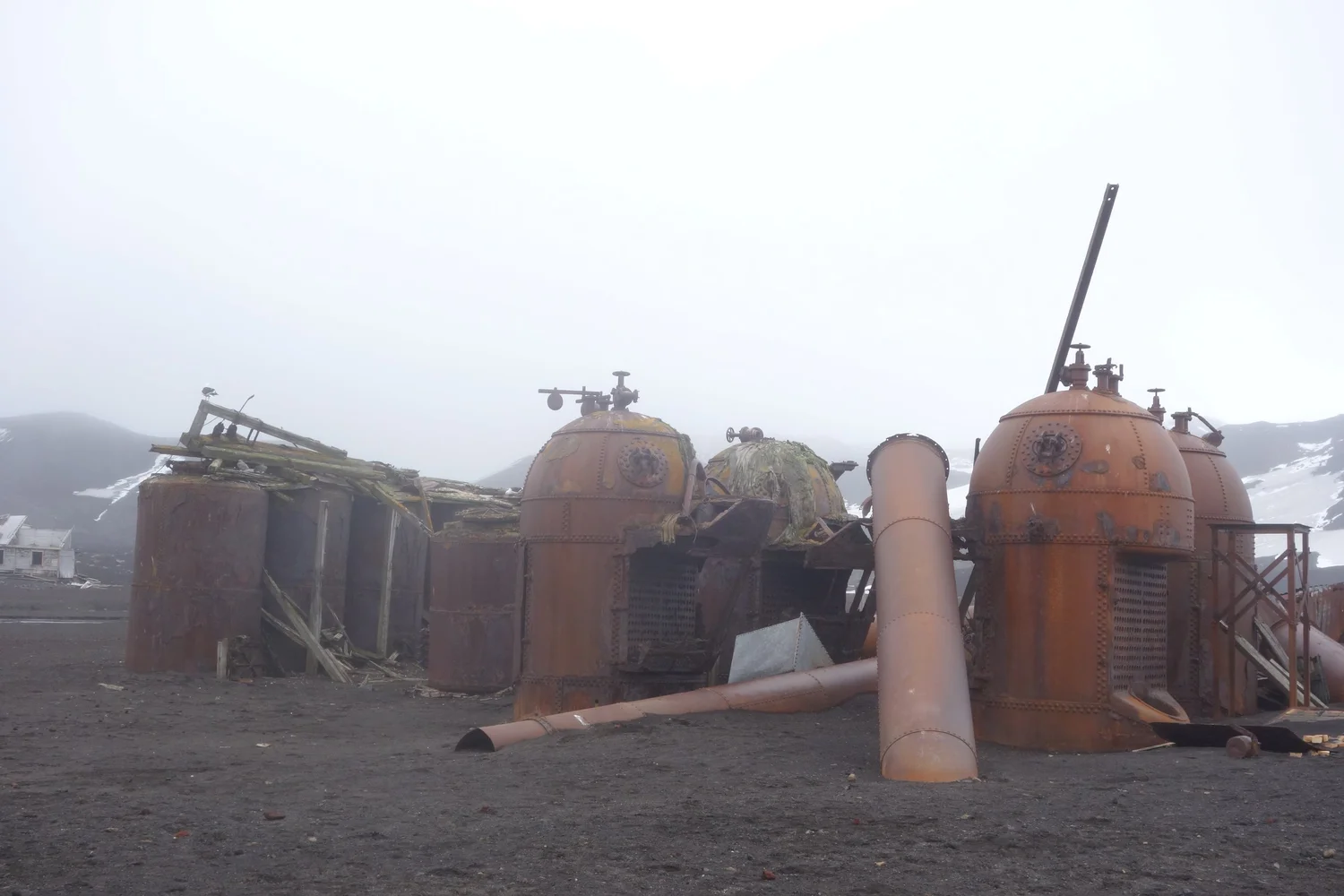
Whale Watching Station Ruins
Deception Island once housed the remains of a whaling station, and the remains of its oil refinery facilities can still be seen today. Due to intensive hunting, whale populations plummeted. As whaling became unsustainable, these facilities became a British listening station during World War II and later for scientific research. A volcanic eruption in the 1960s reduced these structures to ruin.
10. Elephant Point
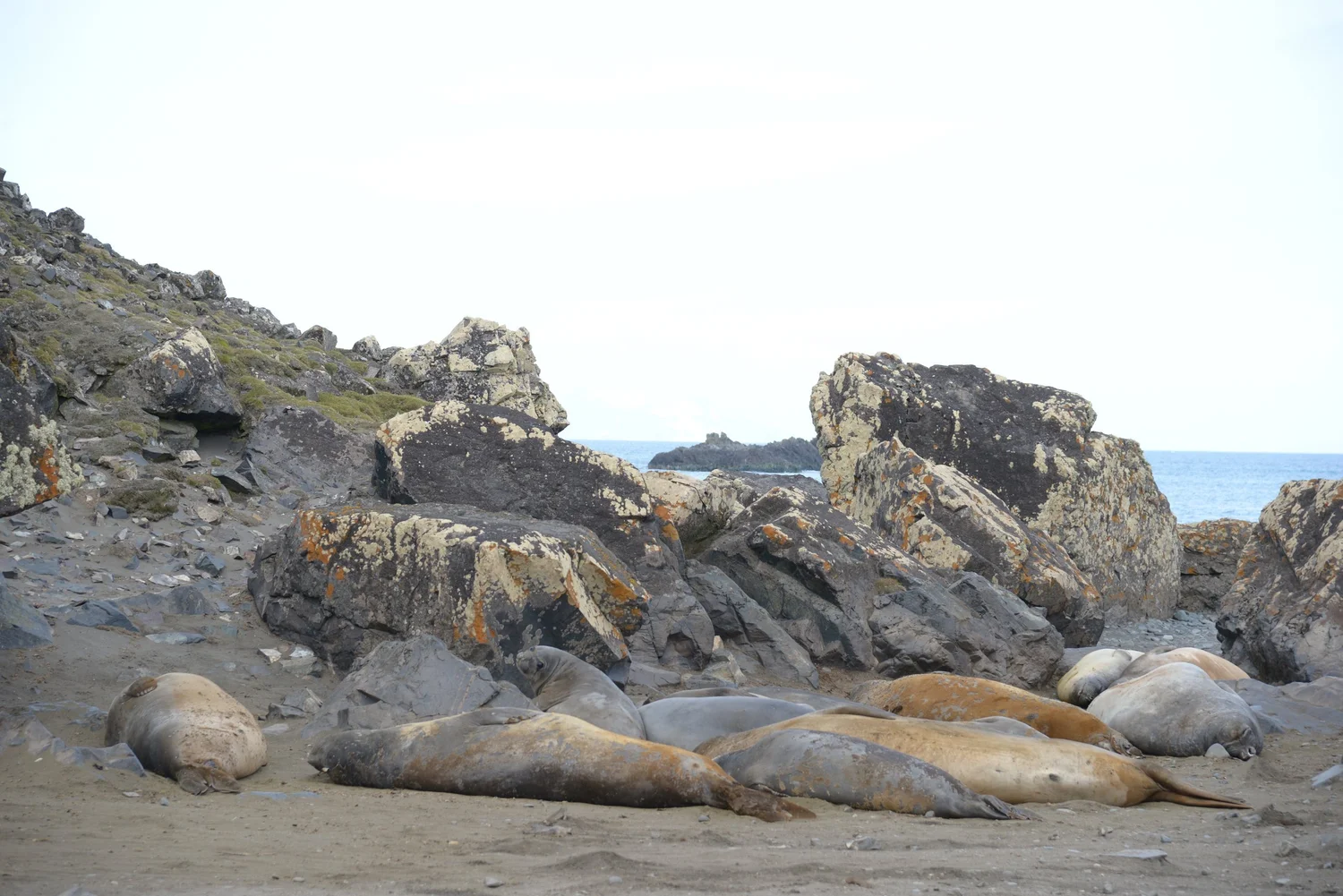
Elephant seals that look like sausages
This is one of the most memorable landings on our Antarctic island trip. Located in the South Shetland Islands, at a relatively northerly latitude, the island boasts lush greenery. In the 19th century, this area was a prime seal hunting ground, but now it's become a haven for elephant seals, who can be seen everywhere, lying down, playfully, or even barking at each other at the slightest disagreement.
10. Day at Sea (Day 18 - Day 19)
After returning to the cruise ship in the afternoon of the 15th day, the captain will turn around and everyone will set off on their return journey towards Ushuaia.
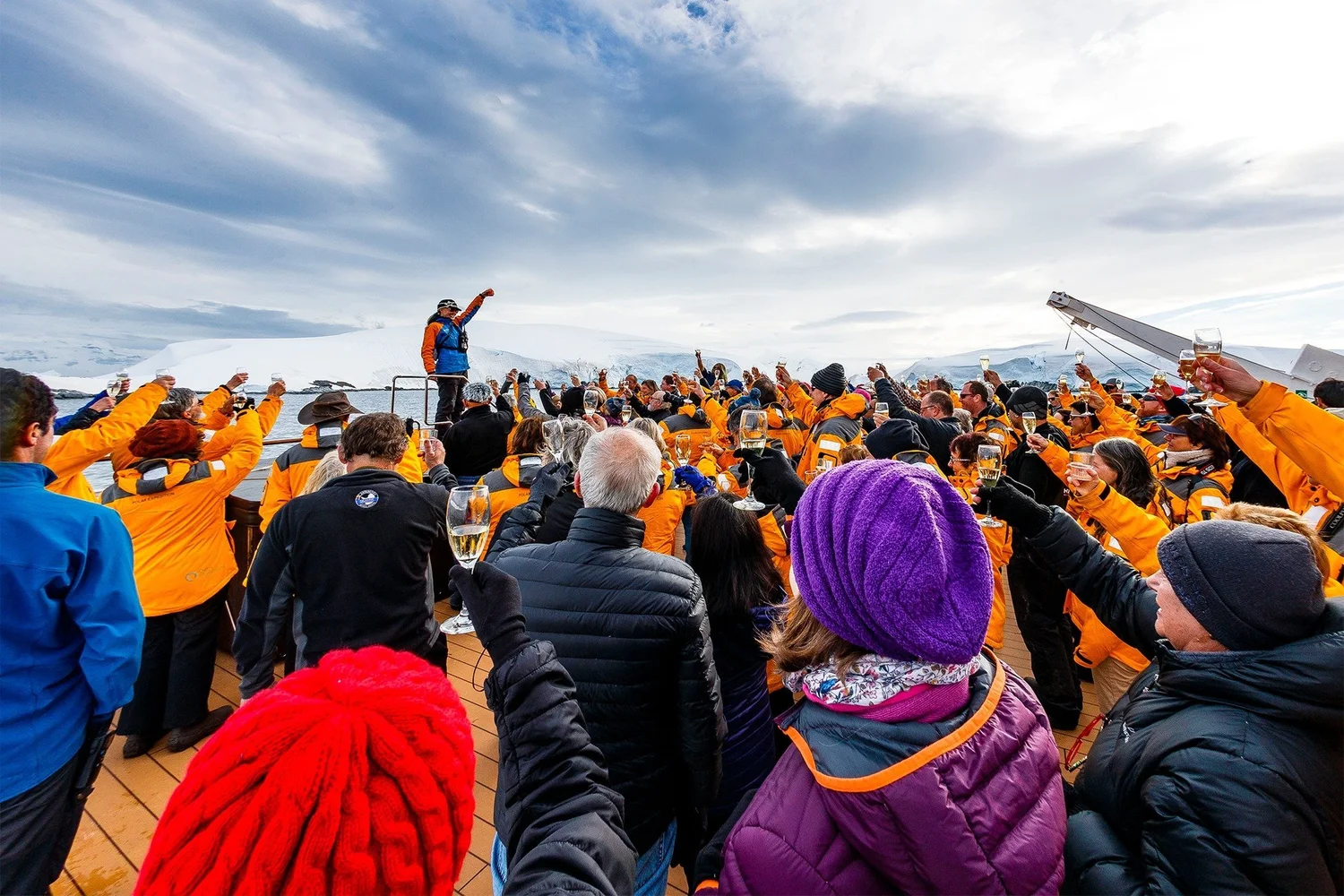
credit: quarkexpeditions.com
On Days 16 and 17 of the Drake Passage crossing, in addition to a series of engaging keynote lectures, there will also be a Captain's Cocktail Night, a bidding event, and a farewell party for all passengers. The voyage's photographer will share their photos during and after the trip, but passengers can also share their own images. During these two days, everyone can use the computers in the communal area to share their Antarctic photos and contact information.
11. Return to Ushuaia (Day 20)
On the day of disembarkation, before returning to Ushuaia at 8:00, passengers will enjoy their last Antarctic cruise breakfast on board before disembarking. The entire Antarctic journey will also come to a perfect end with a farewell high-five from the expedition team one by one when leaving the ship.

credit: annaeverywhere.com/antarctica-quark-expeditions/
This year's Antarctic promotions have been launched in waves. If you are interested in Antarctic itineraries, don't forget toFacebook, Instagram, or fill in the official websiteInquiry FormStay in touch with us.
Set off for Antarctica. No longer out of reach
Let's go to Antarctica!
Comments (0)